
Fabaceae
Legume/Bean family
One of the largest flowering plant families, commonly known as the legume or bean family. Characterised by pod-like fruits (legumes) and often symbiotic nitrogen-fixing root nodules. Includes trees, shrubs, herbs, and climbers spanning tropical to temperate zones.
Browse all 318 species ↓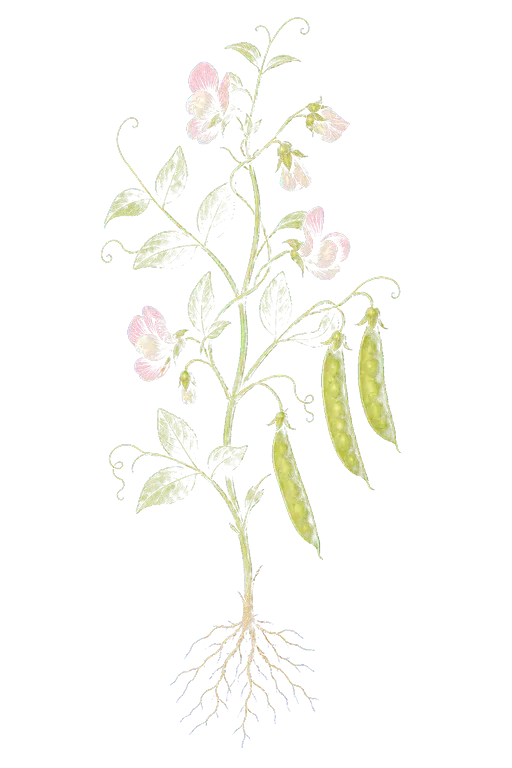
Banner, wings and keel — the five petals form a distinctive three-part flower, usually with pinnate leaves and pea-like pods.
Most Fabaceae species host nitrogen-fixing bacteria in small root nodules — look for pinkish bumps on the roots. The family ranges from staple food (peas, beans, groundnut) to toxic, with alkaloids often concentrated in the seed coat.
Which Fabaceae species is this?
Answer what you can see and narrow it down to a single Fabaceae species.
How to recognise the Fabaceae family
- 01
Compound leaves, often pinnate
- 02
Zygomorphic 'butterfly' flowers
- 03
Fruit a legume (pod)
To check whether a plant belongs to Fabaceae, compare the leaf arrangement, leaf type, flower symmetry, fruit type, and one distinctive marker together. A single feature can mislead; the family pattern is the combination.
Learn the full family-identification methodTypical leaf characters
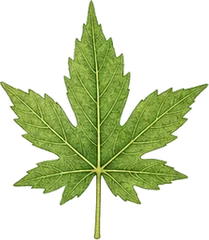
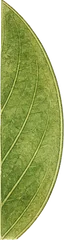
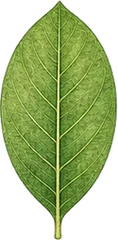
Characters typical of the family — individual species can vary.
Typical flower & fruit
- Flower symmetryZygomorphic (bilaterally symmetrical)
- InflorescenceRaceme
- FruitLegume
Typical of the family — flowering plants only; species can vary.
Notable members
Families that can look similar
Caesalpiniaceae
Compare against Caesalpiniaceae when the plant shares similar leaves, flowers, or fruit. Confirm by checking the full family pattern.
Compare CaesalpiniaceaeMimosaceae
Compare against Mimosaceae when the plant shares similar leaves, flowers, or fruit. Confirm by checking the full family pattern.
Compare MimosaceaePolygalaceae
Compare against Polygalaceae when the plant shares similar leaves, flowers, or fruit. Confirm by checking the full family pattern.
Compare PolygalaceaeOrobanchaceae
Compare against Orobanchaceae when the plant shares similar leaves, flowers, or fruit. Confirm by checking the full family pattern.
Compare OrobanchaceaeAll 318 species in FABACEAE
- Indian Liquorice, Jeguirity, Bead Vine, Black-Eyed Susan, Buddhist Rosary Bead, Crab's Eye, Indian Liquorice, Rosary Pea, Wild LiquoriceAbrus precatorius
- Showy Rosary PeaAbrus pulchellus
- American Joint Vetch, Shy Leaf, Sola Pith PlantAeschynomene americana
- Sola Pith Plant, Pith PlantAeschynomene aspera
- BuddapeaAeschynomene indica
- Belgaum Alyce CloverAlysicarpus belgaumensis
- Sweet AlysAlysicarpus bupleurifolius
- Bracted Alyce CloverAlysicarpus glumaceus
- Obovate Alyce CloverAlysicarpus heyneanus
- Longleaf Alyce CloverAlysicarpus longifolius
- Necklace-Pod Alyce CloverAlysicarpus monilifer
- Bicolor Alyce CloverAlysicarpus pubescens
- Raceme Alyce CloverAlysicarpus racemosus
- Sanjappa's Alyce CloverAlysicarpus sanjappae
- Red Alyce CloverAlysicarpus tetragonolobus
- Alyce Clover, One-Leaved CloverAlysicarpus vaginalis
- Brown HeartAndira inermis
- Hagenbeck's PeanutArachis glabrata
- Ground-Nut, Pea-Nut, Monkey-NutArachis hypogaea
- Forage PeanutArachis pintoi
- CamwoodBaphia nitida
- Tree-WisteriaBolusanthus speciosus
- Ebony CoccuswoodBrya ebenus
- Flame Of The Forest, Bastard Teak, Bengal Kino TreeButea monosperma
- Flame Of The Forest, Bastard Teak, Bengal Kino TreeButea monosperma var. lutea
- Pigeon Pea, Congo Pea, Red GramCajanus cajan
- Thick-Stemmed CajanusCajanus crassus
- Deccan PigeonpeaCajanus heynei
- Wild ToorCajanus lineatus
- Tri-Nerved PigeonpeaCajanus trinervius
- CalopoCalopogonium mucunoides
- Sword Bean, Jack Bean, Broad Bean, Patagonian BeanCanavalia ensiformis
- Horse Bean, Jack Bean, Sword Bean, Broad Bean, Patagonian BeanCanavalia gladiata
- Beach BeanCanavalia rosea
- Wild Sword BeanCanavalia virosa
- Moreton Bay Chestnut, Australian Chest NutCastanospermum australe
- Soft Butterfly-PeaCentrosema molle
- SentroCentrosema pubescens
- ChickpeaCicer arietinum
- Butterfly Pea, ClitoriaClitoria ternatea
- Telegraph Plant, Indian Telegraph PlantCodariocalyx motorius
- Canary Bird BushCrotalaria agatiflora
- Wing-Stemmed Rattled WortCrotalaria alata
- Hill Rattle WortCrotalaria albida
- Rabbit BellsCrotalaria angulata
- Cascavelle JauneCrotalaria berteroana
- Two-Form RattlepodCrotalaria bifaria
- Hairy RattlepodCrotalaria calycina
- Bindweed RattleweedCrotalaria evolvuloides
- Kamble & Pradhan, 1988. Flora Of Akola District, Maharashtra. Botanical Survey Of IndiaCrotalaria filipes
- Gamba Pea, Gambia PeaCrotalaria goreensis
- Bushy RattlepodCrotalaria grahamiana
- Fuzzy Fruited RattlepodCrotalaria hebecarpa
- Blue-Flowered RattlepodCrotalaria heyneana
- Hairy RattlepodCrotalaria hirsuta
- ShakeshakeCrotalaria incana subsp. incana
- Sunn Hemp, Bombay Hemp, Bengal Hemp, Brown Hemp, Indian Hemp, Madras HempCrotalaria juncea
- BirdflowerCrotalaria laburnifolia
- Slender Spiked RattlepodCrotalaria leptostachya
- Arrowhead RattleboxCrotalaria lunulata
- Trefoil RattlepodCrotalaria medicaginea
- Crotalaria Medicaginea Var. NeglectaCrotalaria medicaginea var. neglecta
- Caracas RattleboxCrotalaria micans
- Narrow-Leaved RattlepodCrotalaria montana
- RattleboxCrotalaria mysorensis
- Tiny RattlepodCrotalaria nana
- Orixa RattlepodCrotalaria orixensis
- American Crotalaria, Brusquillo, Cascabelitos, Ding Ding, Salts Rattlebox, Smooth Crotalaria, Smooth Rattlepod, Streaked Rattlepod, Striped CrotalariaCrotalaria pallida
- Panicled RattlepodCrotalaria paniculata var. paniculata
- Prostrate RattlepodCrotalaria prostrata
- Handsome RattlepodCrotalaria pulchra
- Small RattlepodCrotalaria pusilla
- Sen, SonnetteCrotalaria quinquefolia
- Unifoliate Rattle WortCrotalaria ramosissima
- Common Rattle Pod, Big Yellow Pupbush, Cascabelillo, Large Yellow Rattlebox, Rattlebox, Rattlewee, Wedge-Leaf Rattlepod, Yellow LupinCrotalaria retusa
- Ever-Flowering RattlepodCrotalaria semperflorens
- Cats Bell, Rattlebox, Rattleweed, Yellow CrotalariaCrotalaria spectabilis
- Three-Angled RattlepodCrotalaria triquetra
- Blue Rattle Pod, Blue Rattleweed, Blue-Flowered Rattlepod, Sweet Pea, Tooth-Leaved Rattlepod, Warty Crotalaria, Warty RattleboxCrotalaria verrucosa
- Lined-Petal RattlepodCrotalaria walkeri
- Guvar Bean, Cluster BeanCyamopsis tetragonoloba
- Scotch BroomCytisus scoparius
- Prickly DalbergiaDalbergia horrida
- Basterd Rosewood, Bombay Blackwood, Indonesian Rosewood, Malabar RosewoodDalbergia lanceolaria
- East Indian Rosewood, Black Rosewood, Bombay Black Wood, Indonesian Rosewood, Malabar RosewoodDalbergia latifolia
- Chinese BlackwoodDalbergia melanoxylon
- Rusty DalbergiaDalbergia rubiginosa
- North Indian Rosewood, Indiana Dalbergia, Shisham, SissooDalbergia sissoo
- Climbing DalbergiaDalbergia volubilis
- Kanara DerrisDerris canarensis
- Climbing DerrisDerris heyneana
- Hog CreeperDerris scandens
- Flamboyant, Flame Tree, Gold MoharDerris thyrsiflora var. eualata
- Common DerrisDerris trifoliata
- Sal-Leaved DesmodiumDesmodium gangeticum
- Asian Tick TrefoilDesmodium heterocarpon var. heterocarpon
- Asian Tick TrefoilDesmodium heterocarpon var. strigosum
- Pretty Dragon's TongueDesmodium pulchellum
- Orange Tick-TrefoilDesmodium repandum
- Scorpion TicktrefoilDesmodium scorpiurus
- Dixie Tick TrefoilDesmodium tortuosum
- Triangular Horse BushDesmodium triangulare
- Three Flowered Trickle FoilDesmodium triflorum
- Trefle GrosDesmodium triquetrum
- Sickle BeanDolichos trilobus
- Himalayan DumasiaDumasia villosa
- Rusty DunbariaDunbaria ferruginea
- One-Leaf GlycineEleiotis monophylla
- Brazilian Coral TreeErythrina crista-galli
- Purple CoraltreeErythrina fusca
- Eastern Coral BeanErythrina herbacea
- Tiger WoodErythrina standleyana
- Indian Coral TreeErythrina stricta
- Corky Coral TreeErythrina suberosa
- December TreeErythrina subumbrans
- Crimson Mortel TreeErythrina umbrosa
- Indian Coral Tree, Tiger's ClawErythrina variegata
- Papery Wild HopsFlemingia chappar
- Large-Leaf FlemingiaFlemingia macrophylla
- Nilgiri FlemingiaFlemingia nilgheriensis
- Sahyadri FlemingiaFlemingia rollae
- Winged-Stalk FlemingiaFlemingia semialata
- Erect FlemingiaFlemingia stricta
- Wild HopsFlemingia strobilifera
- Slender-Flowered MilkpeaGalactia tenuiflora var. minor
- Slender-Flowered MilkpeaGalactia tenuiflora var. tenuiflora
- Slender-Flowered MilkpeaGalactia tenuiflora var. villosa
- Eyelashes Shell BeansGeissaspis cristata
- Quickstick Tree, Agriculturist's Bush, The Spotted GliricidiaGliricidia sepium
- Java Indigo, Natal Indiago, Bengal IndigoIndigofera arrecta
- Wiry IndigoIndigofera aspalathoides
- Silky IndigoIndigofera astragalina
- Deep-Purple IndigoIndigofera atropurpurea
- Cassia IndigoIndigofera cassioides
- Surat IndigoIndigofera coerulea
- Rusty IndigoIndigofera colutea
- Heart-Leaf IndigoIndigofera cordifolia
- Sheild IndigoIndigofera dalzellii
- Five-Leaf IndigoIndigofera glabra
- Barbada IndigoIndigofera glandulosa
- Trailing IndigoIndigofera hendecaphylla
- Hairy Indigo, Rough Hairy IndigoIndigofera hirsuta
- Sind IndigoIndigofera hochstetteri
- Karnataka IndigoIndigofera karnatakana
- Narrowleaf IndigoIndigofera linifolia var. campbellii
- Narrowleaf IndigoIndigofera linifolia var. linifolia
- Birdsville IndigoIndigofera linnaei
- Mysore Panicled IndigoIndigofera mysorensis
- Coinwort IndigoIndigofera nummulariifolia
- HasrIndigofera oblongifolia
- Prostrate IndigoIndigofera prostrata
- Creeping IndigoIndigofera spicata
- Shrubby IndigoIndigofera suffruticosa
- Common Indigo, Madras Indigo, Bengal Indigo, Black Henna, Dyers Indigo, East Asian Indigo Plant, Wild IndigoIndigofera tinctoria
- Three-Leaved IndigoferaIndigofera trifoliata
- Asian IndigoIndigofera trita var. maffei
- Asian IndigoIndigofera trita var. marginulata
- Asian IndigoIndigofera trita var. trita
- One-Flowered IndigoIndigofera uniflora
- Pale IndigoIndigofera wightii
- Zollinger's IndigoIndigofera zollingeriana
- Kerala KunstleriaKunstleria keralensis
- Hyacinth Bean, Lablab Bean, Bonavist Bean, Indian Butter BeanLablab purpureus
- ChaplenoLonchocarpus minimiflorus
- Apple-LeafLonchocarpus sericeus
- Purple Bush-BeanMacroptilium atropurpureum
- Bush Bean, Wild Bush BeanMacroptilium lathyroides var. semierrectum
- Lucerne, Alfalfa, Common Purple Lucerne, Common Lucerne, Purple Alfalfa, Purple MedickMedicago sativa
- White Sweet Clover, White MelilotMelilotus albus
- Small Flowered MelilotMelilotus indica
- Moulmein RosewoodMillettia peguensis
- Cow ItchMucuna atropurpurea
- Negro BeanMucuna monosperma
- Velvet Bean, Common Cow Itch, CowhageMucuna pruriens var. pruriens
- Portuguese Coffee, Velvetbean, Picapica, Mauritius Bean, Café Brazilii, Bengal BeanMucuna pruriens var. utilis
- Bastard Satin WoodMundulea sericea
- Perennial SoybeanNeonotonia wightii
- Simple-Leaved NograNogra dalzellii
- Bell PeaOrmosia travancorica
- Ran GhevadaParacalyx scariosus
- Blue OxalisParochetus communis
- French Bean, Haricate Bean, Kidney BeanPhaseolus vulgaris
- Indian Elm, Pongam Oil Tree, Indian Beech Wood TreePongamia pinnata
- Sticky-Pod WeedPseudarthria viscida
- Babchi Seeds Plant, Psoralia, Malay-TeaPsoralea corylifolia
- Burmese-RosewoodPterocarpus indicus
- Indian Kino Tree, Malabara Kino Tree, Almug, Saunderswood, Bastard Teak, East Indian Kino, Gammalu, KinoPterocarpus marsupium
- Indian Kino Tree, Malabara Kino Tree, Almug, Saunderswood, Bastard Teak, East Indian Kino, Gammalu, KinoPterocarpus marsupium var. acuminata
- Indian Red Wood, Red Sanders, Red SandalwoodPterocarpus santalinus
- Tropical KudzuPueraria phaseoloides
- Tuberous Honey Suckle, Indian KudzuPueraria tuberosa
- PycnosporaPycnospora lutescens
- Golden-Flowered SnoutbeanRhynchosia aurea
- Field SnoutbeanRhynchosia bracteata
- Grey SnoutbeanRhynchosia cana
- Clustered-Flower SnoutbeanRhynchosia capitata
- Dense-Flowered SnoutbeanRhynchosia densiflora
- Hiary SnoutbeanRhynchosia hirta
- Least SnoutbeanRhynchosia minima
- Rusty SnoutbeanRhynchosia rufescens
- Sweet-Scented SnoutbeanRhynchosia suaveolens
- Sticky SnoutbeanRhynchosia viscosa
- Indian RothiaRothia indica
- Prikly Sesban, DhainchaSesbania bispinosa
- Sesban, Humming Bird TreeSesbania grandiflora
- Egyptian Rattle Pod, Common SesbanSesbania sesban
- Double Paired SmithiaSmithia bigemina
- Yam BeanSmithia blanda
- Fringed SmithiaSmithia ciliata
- Congested Flower SmithiaSmithia conferta
- Hairy SmithiaSmithia hirsuta
- Purple SmithiaSmithia purpurea
- Dense-Flowered SmithiaSmithia pycnantha
- Brackish SmithiaSmithia salsuginea
- Sensitive SmithiaSmithia sensitiva
- Bristly SmithiaSmithia setulosa
- Necklace PodSophora tomentosa
- Flame Of The ForestSpatholobus parviflorus
- Purple Palas ClimberSpatholobus purpureus
- African StyloStylosanthes fruticosa
- Carribbean StyloStylosanthes hamata
- White Hoary PeaTephrosia candida
- Common Tephrosia, Wild IndigoTephrosia hamiltonii
- Large TephrosiaTephrosia maxima
- Five-Leaf TephrosiaTephrosia pentaphylla
- Indigo SauvageTephrosia pumila
- Common Tephrosia, Wild IndigoTephrosia purpurea
- Bristly TephrosiaTephrosia strigosa
- Orange TephrosiaTephrosia tinctoria
- Shaggy Wild IndigoTephrosia villosa
- Blue WissTeramnus labialis
- Blue WissTeramnus mollis
- Shield FenugreekTrigonella foenum-graecum
- Rufous UrariaUraria rufescens
- Khandala Wild PeaVigna khandalensis
- Green Gram, Mung, Golden GramVigna radiata
- Wild Black GramVigna sublobata
- Cow Pea, Asparagus Bean, Barbati, Black Eye Pea, Blue Goose Southern Pea, Common Cowpea, Southern PeaVigna unguiculata subsp. unguiculata
- Wild Cow PeaVigna vexillata
- Chinese WisteriaWisteria sinensis
- TrencillaZornia diphylla
- Grasslike ZorniaZornia gibbosa
- Alysicarpus beddomei
- Alysicarpus rugosus
- Atylosia albicans
- Atylosia goensis
- Atylosia scarabaeoides
- Atylosia sericea
- Cajanus cajanifolius
- Centrolobium tomentosum
- Clitoria arborea var. pseudoamazonica
- Crotalaria biflora
- Crotalaria epunctata
- Crotalaria globosa
- Crotalaria hirta
- Crotalaria leschenaultii
- Crotalaria longipes
- Crotalaria madurensis
- Crotalaria priestleyoides
- Crotalaria sandoorensis
- Crotalaria umbellata
- Crotalaria vestita
- Crotalaria willdenowiana
- Dalbergia acaciifolia
- Dalbergia congesta
- Dalbergia coromandeliana
- Dalbergia foliolosa
- Dalbergia paniculata
- Dalbergia pinnata
- Derris benthamii
- Derris benthamii var. wightii
- Derris brevipes
- Desmodium benthamii
- Desmodium biarticulatum
- Desmodium dichotomum
- Desmodium ferrugineum
- Desmodium laxiflorum
- Desmodium rotundifolium
- Desmodium triangulare var. congestum
- Desmodium velutinum
- Dolichos falcatus
- Dunbaria heynei
- Eleiotis trifoliata
- Flemingia gracilis
- Flemingia paniculata
- Flemingia wightiana
- Geissaspis tenella
- Indigofera angulosa
- Indigofera barberi
- Indigofera constricta
- Indigofera longiracemosa
- Indigofera parviflora
- Indigofera santapaui
- Indigofera tirunelvelica
- Indigofera vicioides
- Millettia racemosa
- Mucuna sanjappae
- Ormocarpum cochinchinense
- Rhynchosia acutissima
- Rhynchosia beddomei
- Rhynchosia ravii
- Rhynchosia volubilis
- Sesbania aculeata var. paludosa
- Sesbania speciosa
- Shuteria involucrata
- Smithia agharkarii
- Smithia racemosa
- Smithia venkobarowii
- Sophora interrupta
- Sophora wightii
- Sphenostylis bracteata
- Stylosanthes guianensis
- Tephrosia calophylla
- Tephrosia fusca
- Tephrosia hirta
- Uraria alopecuroides
- Vigna hainiana
- Vigna trilobata
Identify any Fabaceae plant in seconds
Point your camera and SASYA names the species on-device — offline and private.
Download SASYA — Free