
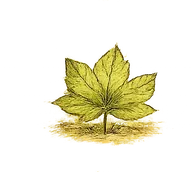
As recorded for Senji
Melilotus indica
Senji / Small Flowered Melilot
- Habit
- Herb
- Found in India
- Rajasthan, Gujarat, Uttar Pradesh & more
- Flowering
- September-April
Senji in regional languages
Find the name you know, then compare it with the botanical profile. Columns list recorded aliases; they are not paired translations. A Latin spelling appears only when it is present in the source record.
| Language | Regional script | Recorded Latin spelling |
|---|---|---|
| Hindi | Not recorded | senji |
See the original recorded names
- Hindi
- senji
Ecology & growing context
- Recorded native range
- India, SE. Asia, Europe
- Explore nearby plants
- Rajasthan →Gujarat →Uttar Pradesh →
Occurrence records show where a plant has been recorded; they do not establish that it is native there. Compare local habitat and growing conditions when choosing plants for a garden.
How to identify Senji
Identify Senji by combining habit, leaf characters, flower or fruit details, location, and its family pattern. Do not rely on one feature alone.
- Look for a herb habit.
- Confirm leaf type: Trifoliate.
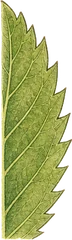
- Confirm leaf margin: Toothed.
- Confirm flower colour: White.
- Confirm flower arrangement: Raceme.
- In season, compare flowering and fruiting time: September-April.
- In India, compare location records such as Rajasthan, Gujarat, Uttar Pradesh, Uttarakhand and nearby regions.
Plant Details
- Scientific name
- Melilotus indica
- Genus
- Melilotus
- Family
- Fabaceae
- Habit
- Herb
- Native to
- India, SE. Asia, Europe
- Distribution
- Introduced in N. America and South Africa
- Found in India
- Rajasthan, Gujarat, Uttar Pradesh, Uttarakhand, Haryana, Delhi, Bihar, Maharashtra, West Bengal, Arunachal Pradesh, Himachal Pradesh, Jammu & Kashmir
- Flowering & fruiting
- September-April
- Conservation status
- Not Evaluated (NE)
Leaf characters
- Leaf type
- TrifoliaterecordedA compound leaf made of exactly three leaflets.“indicus is an annual herb from 10 to 50 centimetres (3.9 to 19.7 inches) in height (rarely to one meter), with compound leaves of trifoliate leaflets.” — Wikipedia, CC BY-SA 4.0
- Leaf margin
- ToothedrecordedA saw-like or jagged edge (serrate or dentate).“Leaf edges are sharply dentate.” — Wikipedia, CC BY-SA 4.0
- Leaf surface
- Glabrous (smooth, hairless)recorded
Typical of the family
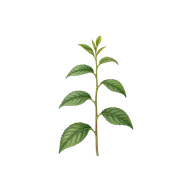
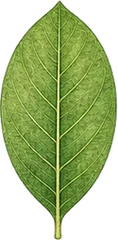
Characters marked “recorded” are for Senji itself; the rest are typical of the Fabaceae family.
Flower & fruit characters
- Flower colour
- Whiterecorded
- Flower arrangement
- RacemerecordedIndividual stalked flowers arranged along a central stem, opening from bottom to top.“The small yellow flowers are 2–3 mm and are borne in dense racemes.” — Wikipedia, CC BY-SA 4.0
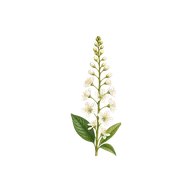
Typical of the family
- Inflorescence
- Raceme
- Fruit
- Legume
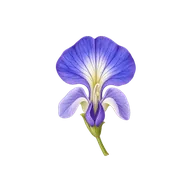
Characters marked “recorded” are for Senji itself; the rest are typical of the Fabaceae family — flowering plants only.
About Senji
Small flowered Melilot (Melilotus indica) is a herb in the Fabaceae family. In India it has been recorded in Rajasthan, Gujarat, Uttar Pradesh and 9 other states. Flowering and fruiting run from September to April.
Uses
In practice it is long used in traditional medicine and harvested for fodder. Those medicinal uses are traditional attributions, not medical advice.
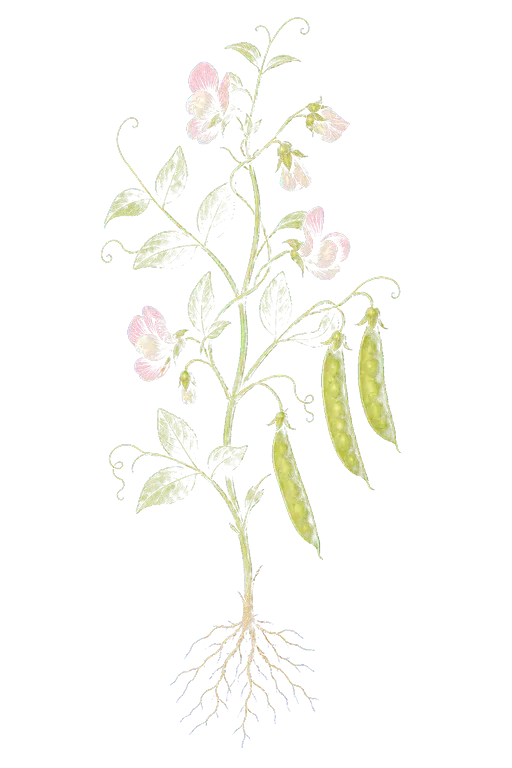
Fabaceae
Legume/Bean family
Senji belongs to the Fabaceae family.
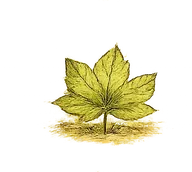
The illustration represents the family — not necessarily this exact species.
Explore the Fabaceae familySnap it. Know it.
Point your camera at Senji or any plant and SASYA identifies it instantly — on-device, offline, and private.
Common plant problems
If you are starting from symptoms instead of a diagnosis, use the plant disease symptom checker to narrow the cause before treating.
All plant problem & care guides