

As recorded for Dagadia
Indigofera astragalina
Dagadia / Silky Indigo
- Habit
- Herb
- Found in India
- Maharashtra, Telangana, Uttarakhand & more
- Flowering
- August-February
Dagadia in regional languages
Find the name you know, then compare it with the botanical profile. Columns list recorded aliases; they are not paired translations. A Latin spelling appears only when it is present in the source record.
| Language | Regional script | Recorded Latin spelling |
|---|---|---|
| Hindi | Not recorded | Dagadia |
See the original recorded names
- Hindi
- Dagadia
Ecology & growing context
- Native status · Kew WCVP
- WCVP native range includes Assam, India, West Himalaya Kew dataset ↗
Kew WCVP dataset; accepted-name match. Dataset matching is separate from an individual regional review. Recorded worldwide native range: Cape Verde, Trop. & S. Africa, Indian Subcontinent to Myanmar.
- Recorded habitat
- Moist deciduous forests, open deciduous forests and scrub jungles
- Explore nearby plants
- Maharashtra →Telangana →Uttarakhand →
Occurrence records show where a plant has been recorded; they do not establish that it is native there. Compare local habitat and growing conditions when choosing plants for a garden.
How to identify Dagadia
Identify Dagadia by combining habit, leaf characters, flower or fruit details, location, and its family pattern. Do not rely on one feature alone.
- Look for a herb habit.
- Confirm leaf type: Pinnately compound (leaflets in rows along a stalk).
- Confirm leaf surface: Pubescent (softly hairy).
- Confirm flower colour: Purple.
- Confirm fruit type: Legume.
- In season, compare flowering and fruiting time: August-February.
- In India, compare location records such as Maharashtra, Telangana, Uttarakhand, Gujarat and nearby regions.
Plant Details
- Scientific name
- Indigofera astragalina
- Genus
- Indigofera
- Family
- Fabaceae
- Habit
- Herb
- Habitat
- Moist deciduous forests, open deciduous forests and scrub jungles
- Distribution
- Pantropical
- Found in India
- Maharashtra, Telangana, Uttarakhand, Gujarat, Himachal Pradesh, Jammu & Kashmir
- Flowering & fruiting
- August-February
- Conservation status
- Not Evaluated (NE)
Leaf characters
- Leaf type
- Pinnately compound (leaflets in rows along a stalk)recorded
- Leaf surface
- Pubescent (softly hairy)recorded

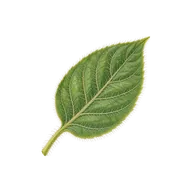
Typical of the family
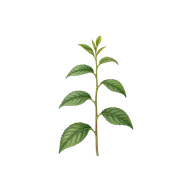
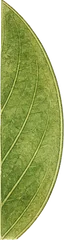

Characters marked “recorded” are for Dagadia itself; the rest are typical of the Fabaceae family.
Flower & fruit characters
- Flower colour
- PurplerecordedPurple or violet
- Fruit type
- LegumerecordedA dry pod that splits open along two seams (typical of the pea/bean family).“Indogofera astragalina, a legume also known as silky indigo, is a herb found in India, tropical Africa, Madagascar, New Guinea and Australia.” — Wikipedia, CC BY-SA 4.0
Typical of the family
- Inflorescence
- Raceme
- Fruit
- Legume
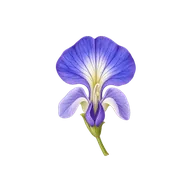
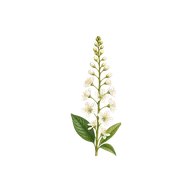
Characters marked “recorded” are for Dagadia itself; the rest are typical of the Fabaceae family — flowering plants only.
About Dagadia
Silky Indigo (Indigofera astragalina) is a herb in the Fabaceae family. In India it has been recorded in Maharashtra, Telangana, Uttarakhand and 3 other states. It grows in moist deciduous forests, open deciduous forests and scrub jungles. Flowering and fruiting run from August to February.
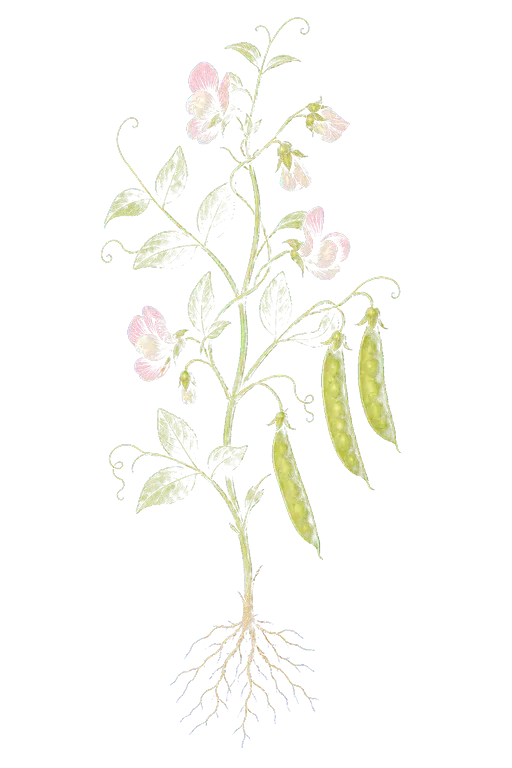
Fabaceae
Legume/Bean family
Dagadia belongs to the Fabaceae family.
The illustration represents the family — not necessarily this exact species.
Explore the Fabaceae familySnap it. Know it.
Point your camera at Dagadia or any plant and SASYA identifies it instantly — on-device, offline, and private.
Common plant problems
If you are starting from symptoms instead of a diagnosis, use the plant disease symptom checker to narrow the cause before treating.
All plant problem & care guides