
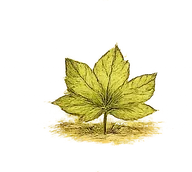
As recorded for Badi Sem
Canavalia gladiata
Badi Sem / Horse Bean बड़ी सेम
Hindi name · See all regional names ↓
Also known as Jack Bean, Sword Bean, Broad Bean, Patagonian Bean
- Habit
- Climbing shrub
- Found in India
- Gujarat, Maharashtra, Karnataka & more
- Flowering
- July-April
Badi Sem in regional languages
Find the name you know, then compare it with the botanical profile. Columns list recorded aliases; they are not paired translations. A Latin spelling appears only when it is present in the source record.
| Language | Regional script | Recorded Latin spelling |
|---|---|---|
| Hindi | बड़ी सेम | Khadsampal, Badi sem |
| Bengali | Not recorded | Makhan shim |
| Tamil | வாள் அவரை · கத்தி அவரை | Segapputampattai |
| Telugu | తంబకాయ | Not recorded |
| Kannada | ತುಂಬೆಕೊಂಟಿ · ಶಂಬಿ · ಸಂಬೆ | Tumbekonti, Shambi, Sambe |
| Malayalam | വാളമര | Valpayar, Valaringha |
| Marathi | अबई | Abai |
See the original recorded names
- Hindi
- Khadsampal, बड़ी सेम Badi sem
- Bengali
- Makhan shim
- Tamil
- Segapputampattai, வாள் அவரை, கத்தி அவரை
- Telugu
- తంబకాయ
- Kannada
- ತುಂಬೆಕೊಂಟಿ Tumbekonti, ಶಂಬಿ Shambi, ಸಂಬೆ Sambe
- Malayalam
- Valpayar, Valaringha, വാളമര
- Marathi
- अबई Abai
Ecology & growing context
- Native status · Kew WCVP
- WCVP native range includes Assam, India, Nicobar Is., West Himalaya Kew dataset ↗
Kew WCVP dataset; accepted-name match. Dataset matching is separate from an individual regional review. Recorded worldwide native range: as a cultigen from Trop. & Subtrop. Asia.
- Recorded habitat
- Deciduous forests
- Explore nearby plants
- Gujarat →Maharashtra →Karnataka →
Occurrence records show where a plant has been recorded; they do not establish that it is native there. Compare local habitat and growing conditions when choosing plants for a garden.
How to identify Badi Sem
Identify Badi Sem by combining habit, leaf characters, flower or fruit details, location, and its family pattern. Do not rely on one feature alone.
- Look for a climbing shrub habit.
- Check the distinctive field mark: Very large sword-shaped edible pods (sword bean).
- Confirm leaf type: Trifoliate (three leaflets).
- Confirm leaf surface: Glabrous (smooth, hairless).
- Confirm flower colour: Purple.
- Confirm fruit surface: Smooth.
- In season, compare flowering and fruiting time: July-April.
Plant Details
- Scientific name
- Canavalia gladiata
- Genus
- Canavalia
- Family
- Fabaceae
- Habit
- Climbing shrub
- Habitat
- Deciduous forests
- Habitat type
- Forest
- Native to
- Old world tropics
- Distribution
- Pantropical
- Found in India
- Gujarat, Maharashtra, Karnataka, Uttarakhand
- Flowering & fruiting
- July-April
- Conservation status
- Not Evaluated (NE)
Leaf characters
- Leaf type
- Trifoliate (three leaflets)recorded
- Leaf surface
- Glabrous (smooth, hairless)recorded
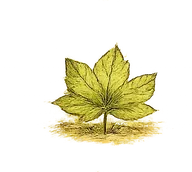
Typical of the family
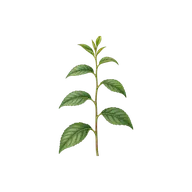


Characters marked “recorded” are for Badi Sem itself; the rest are typical of the Fabaceae family.
Flower & fruit characters
- Flower colour
- PurplerecordedPurple or violet
- Fruit surface
- SmoothrecordedSmooth, unornamented surface.
Typical of the family
- Inflorescence
- Raceme
- Fruit
- Legume

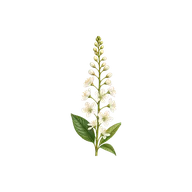
Characters marked “recorded” are for Badi Sem itself; the rest are typical of the Fabaceae family — flowering plants only.
Badi Sem in India
This climbing legume, known as Khadsampal (Hindi), Segapputampattai (Tamil), తంబకాయ (Telugu), ತುಂಬೆಕೊಂಟಿ Tumbekonti (Kannada), Valpayar (Malayalam), अबई Abai (Marathi), is grown for its unusually large pods. Canavalia gladiata is cultivated across Gujarat, Maharashtra, Karnataka, Uttarakhand, typically trained up stakes or fences.
Uses
Its young, tender pods are cooked as a vegetable after proper preparation, while mature seeds require thorough cooking to reduce natural toxins before eating.
How to Identify Badi Sem
A vigorous climbing vine with trifoliate leaves. Clusters of large, pale purple-pink pea-like flowers are followed by the plant's standout feature: very large, flat, sword-shaped pods that can reach a substantial length, containing large seeds.
Frequently Asked Questions
- What is Horse bean called in different Indian languages?
- Khadsampal (Hindi); Segapputampattai (Tamil); తంబకాయ (Telugu); ತುಂಬೆಕೊಂಟಿ Tumbekonti (Kannada); Valpayar (Malayalam); अबई Abai (Marathi); Makhan shim (Bengali).
- Why is it called 'sword bean'?
- Its pods are unusually long, flat and blade-like compared to most beans, resembling a sword — the source of both its English and Hindi ('badi sem', meaning 'big bean') common names.
- Can the beans be eaten raw?
- No — like several Canavalia species, the mature seeds contain natural compounds that need to be broken down by thorough cooking before they're safe to eat.
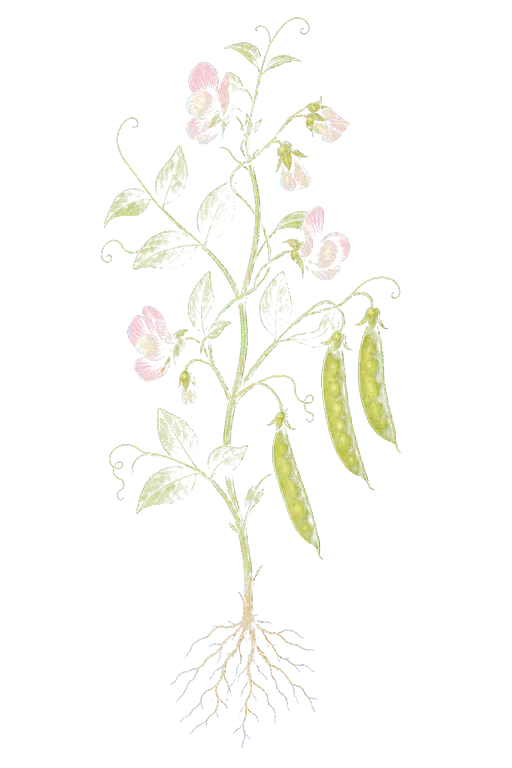
Fabaceae
Legume/Bean family
Badi Sem belongs to the Fabaceae family.
The illustration represents the family — not necessarily this exact species.
Explore the Fabaceae familySnap it. Know it.
Point your camera at Badi Sem or any plant and SASYA identifies it instantly — on-device, offline, and private.
Common plant problems
If you are starting from symptoms instead of a diagnosis, use the plant disease symptom checker to narrow the cause before treating.
All plant problem & care guidesMore in Fabaceae
View all FabaceaeSources: GBIF — Canavalia gladiata (India distribution & vernacular names) (CC BY 4.0) · Wikipedia — Canavalia gladiata (background/comprehension only) (CC BY-SA 4.0)