

Sesbania grandiflora
Gaach-Munga / Sesban
Also known as Humming Bird Tree
- Habit
- Tree
- Found in India
- Maharashtra, Tamil Nadu, Kerala & more
- Flowering
- December-March
Gaach-Munga in regional languages
Find the name you know, then compare it with the botanical profile. Columns list recorded aliases; they are not paired translations. A Latin spelling appears only when it is present in the source record.
| Language | Regional script | Recorded Latin spelling |
|---|---|---|
| Hindi | गाछ मूंगा · अगस्ति | Gaach-munga, Hathya, Agasti, agathi |
| Bengali | Not recorded | Buko, Bak |
| Tamil | Not recorded | Sevvagatti, Muni |
| Telugu | అవిశ | Avisha, Ettagise, Sukanasamu |
| Kannada | ಅಗಸಿ · ಅಗಸೆ · ಚಿನ್ನದಾರೆ | Agasi, Agase, Chinnadaare |
| Malayalam | Not recorded | Akatti |
| Marathi | शेवरी · हतगा | Shevari, Hatga |
| Gujarati | અગથિયો | Not recorded |
See the original recorded names
- Hindi
- गाछ मूंगा Gaach-munga, Hathya, अगस्ति Agasti, agathi
- Bengali
- Buko, Bak
- Tamil
- Sevvagatti, Muni
- Telugu
- అవిశ Avisha, Ettagise, Sukanasamu
- Kannada
- ಅಗಸಿ Agasi, ಅಗಸೆ Agase, ಚಿನ್ನದಾರೆ Chinnadaare
- Malayalam
- Akatti
- Marathi
- शेवरी Shevari, हतगा Hatga
- Gujarati
- અગથિયો
Ecology & growing context
- Native status · Kew WCVP
- WCVP records it as introduced in Andaman Is., Assam, India, Laccadive Is., West Himalaya Kew dataset ↗
Kew WCVP dataset; accepted-name match. Dataset matching is separate from an individual regional review. Recorded worldwide native range: Malesia to New Guinea.
- Recorded habitat
- Cultivated
- Explore nearby plants
- Maharashtra →Tamil Nadu →Kerala →
Occurrence records show where a plant has been recorded; they do not establish that it is native there. Compare local habitat and growing conditions when choosing plants for a garden.
How to identify Gaach-Munga
Identify Gaach-Munga by combining habit, leaf characters, flower or fruit details, location, and its family pattern. Do not rely on one feature alone.
- Look for a tree habit.
- Check the distinctive field mark: Large white/red flowers used as a vegetable, fast-growing tree.
- Confirm leaf type: Pinnately compound (leaflets in rows along a stalk).
- Confirm leaf shape: Orbicular.
- Confirm flower colour: Yellow.
- Confirm flower arrangement: Raceme.
- Use the leaf pattern: alternate leaf arrangement, compound leaves, entire leaf margins, pinnate venation.
Plant Details
- Scientific name
- Sesbania grandiflora
- Genus
- Sesbania
- Family
- Fabaceae
- Habit
- Tree
- Habitat
- Cultivated
- Habitat type
- Cultivated
- Native to
- Indonesia
- Distribution
- Tropical Africa, Asia
- Found in India
- Maharashtra, Tamil Nadu, Kerala, Andhra Pradesh, Karnataka, Gujarat, Assam, Bihar, Delhi, Rajasthan, Telangana, West Bengal
- Flowering & fruiting
- December-March
- Conservation status
- Not Evaluated (NE)
Leaf characters
- Leaf type
- Pinnately compound (leaflets in rows along a stalk)recorded
- Leaf shape
- OrbicularrecordedRounded, roughly circular.“The leaves are regular and rounded, and grow to 15–30 cm (6–12 in) long, with leaflets in 10–20 pairs or more and an odd one.” — Wikipedia, CC BY-SA 4.0
- Leaf surface
- Glabrous (smooth, hairless)recorded


Typical of the family
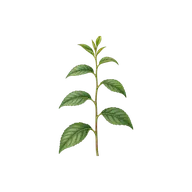


Characters marked “recorded” are for Gaach-Munga itself; the rest are typical of the Fabaceae family.
Flower & fruit characters
- Flower colour
- Yellowrecorded
- Flower arrangement
- RacemerecordedIndividual stalked flowers arranged along a central stem, opening from bottom to top.“The flowers white, red or pink and are oblong, 1.5–10 cm (1–4 in) long in lax, with two to four flower racemes.” — Wikipedia, CC BY-SA 4.0
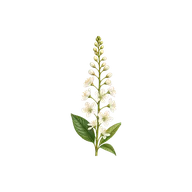
Typical of the family
- Inflorescence
- Raceme
- Fruit
- Legume

Characters marked “recorded” are for Gaach-Munga itself; the rest are typical of the Fabaceae family — flowering plants only.
Gaach-Munga in India
Agati is a fast-growing soft-wooded tree whose flowers and leaves are eaten — गाछ मूंगा Gaach-munga (Hindi), Sevvagatti (Tamil), అవిశ Avisha (Telugu), ಅಗಸಿ Agasi (Kannada), Akatti (Malayalam), शेवरी Shevari (Marathi). Sesbania grandiflora is grown across Maharashtra, Tamil Nadu, Kerala, Andhra Pradesh, Karnataka, Gujarat, on field bunds and in home gardens.
Uses
Its large white (or pink) flowers and tender leaves are cooked as vegetables — agathi keerai is a valued South Indian green, and the flowers go into curries and fritters. As a fast nitrogen-fixing legume it is grown for green manure, fodder and quick shade.
How to Identify Gaach-Munga
A short-lived, slender tree with long pinnate leaves of many small leaflets. The flowers are large and pea-shaped — curved like a parrot's beak or a hummingbird — in white or rose, followed by very long, slender, ribbon-like pods.
Frequently Asked Questions
- What is Sesban called in different Indian languages?
- गाछ मूंगा Gaach-munga (Hindi); Sevvagatti (Tamil); అవిశ Avisha (Telugu); ಅಗಸಿ Agasi (Kannada); Akatti (Malayalam); शेवरी Shevari (Marathi); Buko (Bengali); અગથિયો (Gujarati).
- Can you eat agati flowers?
- Yes — the large flowers and tender leaves are cooked as vegetables; agathi keerai is a popular South Indian green and the flowers are used in curries.
- Why is agati planted on farms?
- As a fast-growing nitrogen-fixing legume it is grown for green manure, fodder, quick shade and edible leaves and flowers.
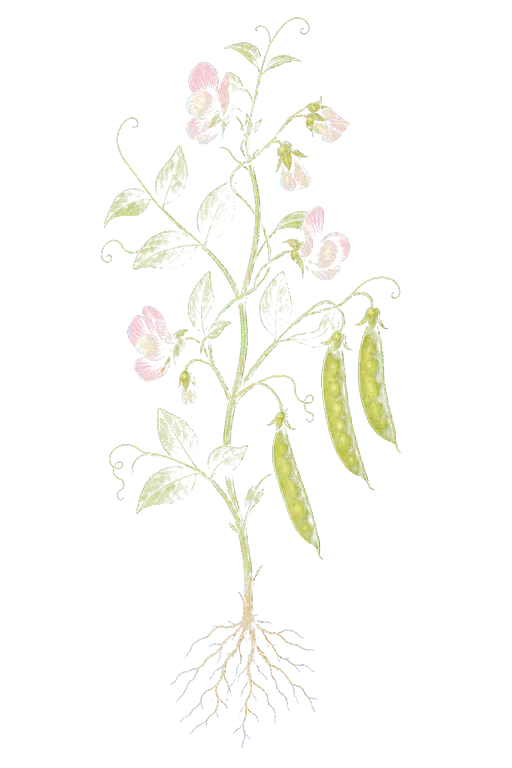
Fabaceae
Legume/Bean family
Gaach-Munga belongs to the Fabaceae family.
The illustration represents the family — not necessarily this exact species.
Explore the Fabaceae familySnap it. Know it.
Point your camera at Gaach-Munga or any plant and SASYA identifies it instantly — on-device, offline, and private.
Common plant problems
If you are starting from symptoms instead of a diagnosis, use the plant disease symptom checker to narrow the cause before treating.
All plant problem & care guidesMore in Fabaceae
View all FabaceaeSources: GBIF — Sesbania grandiflora (India distribution & vernacular names) (CC BY 4.0) · iNaturalist — Sesbania grandiflora (regional names, India observations) (CC BY 4.0) · Wikipedia — Sesbania grandiflora (background/comprehension only) (CC BY-SA 4.0)