As recorded for Kiwach
Mucuna pruriens var. pruriens
Kiwach / Velvet Bean खाज कुइरी
Marathi name · See all regional names ↓
Also known as Common Cow Itch, Cowhage
- Habit
- Liana
- Found in India
- Maharashtra, Assam, Manipur & more
- Flowering
- September-March
Kiwach in regional languages
Find the name you know, then compare it with the botanical profile. Columns list recorded aliases; they are not paired translations. A Latin spelling appears only when it is present in the source record.
| Language | Regional script | Recorded Latin spelling |
|---|---|---|
| Hindi | Not recorded | Kiwach |
| Nepali | काउसे सिमी | Kaause Simee |
| Bengali | Not recorded | Akolchi |
| Telugu | Not recorded | Pilliadugu |
| Kannada | ನಸುಗುನ್ನಿ · ನೊಸಗೊನ್ನೆ · ನಾಯಿಸೊಣಗುಬಳ್ಳಿ | Nasugunni, Nosagonne, Nayisonanguballi |
| Malayalam | Not recorded | Naicorna |
| Marathi | खाज कुइरी | Khaj-kuiri |
See the original recorded names
- Hindi
- Kiwach
- Nepali
- काउसे सिमी Kaause Simee
- Bengali
- Akolchi
- Telugu
- Pilliadugu
- Kannada
- ನಸುಗುನ್ನಿ Nasugunni, ನೊಸಗೊನ್ನೆ Nosagonne, ನಾಯಿಸೊಣಗುಬಳ್ಳಿ Nayisonanguballi
- Malayalam
- Naicorna
- Marathi
- खाज कुइरी Khaj-kuiri
Toxicity & contact hazards
What the sources report, with their scope intact. A missing rating stays unknown; a non-toxic listing doesn’t rule out irritation, injury or other hazards.
Irritating hairs
Pods carry thousands of barbed hairs that cause intense burning itch; dried pods stay potent. Remove hairs with adhesive tape, then wash.
Ecology & growing context
- Native status · Kew WCVP
- WCVP native range includes Andaman Is., Assam, India, Laccadive Is., Nicobar Is., West Himalaya Kew dataset ↗
Kew WCVP dataset; accepted-name match. Dataset matching is separate from an individual regional review. Recorded worldwide native range: Trop. & Subtrop. Old World.
- Recorded habitat
- In secondary forests at lower altitudes and in plains
- Explore nearby plants
- Maharashtra →Assam →Manipur →
Occurrence records show where a plant has been recorded; they do not establish that it is native there. Compare local habitat and growing conditions when choosing plants for a garden.
How to identify Kiwach
Identify Kiwach by combining habit, leaf characters, flower or fruit details, location, and its family pattern. Do not rely on one feature alone.
- Look for a liana habit.
- Check the distinctive field mark: Pods covered in intensely itchy stinging hairs (cowhage).
- Confirm leaf type: Trifoliate.
- Confirm leaf shape: Ovate.
- Confirm flower colour: Purple.
- Confirm flower arrangement: Head.
- In season, compare flowering and fruiting time: September-March.
Plant Details
- Scientific name
- Mucuna pruriens var. pruriens
- Genus
- Mucuna
- Family
- Fabaceae
- Habit
- Liana
- Habitat
- In secondary forests at lower altitudes and in plains
- Habitat type
- Forest
- Native to
- India
- Distribution
- Himalayas, India, Sri Lanka, Southeast Asia
- Found in India
- Maharashtra, Assam, Manipur, West Bengal
- Flowering & fruiting
- September-March
- Conservation status
- Not Evaluated (NE)
Leaf characters
- Leaf type
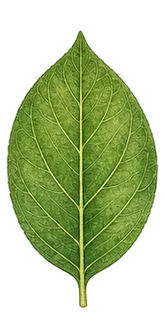
- TrifoliaterecordedA compound leaf made of exactly three leaflets.
- Leaf shape
- OvaterecordedEgg-shaped, broader near the base.“The leaves are tripinnate, ovate, reverse ovate, rhombus-shaped or widely ovate.” — Wikipedia, CC BY-SA 4.0
- Leaf surface
- Hirsute (coarsely hairy)recorded
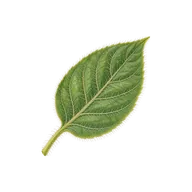
Typical of the family
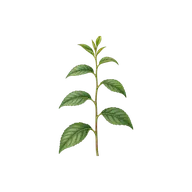
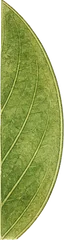
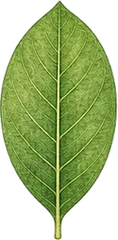
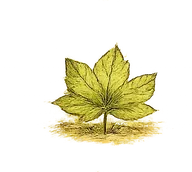
Characters marked “recorded” are for Kiwach itself; the rest are typical of the Fabaceae family.
Flower & fruit characters
- Flower colour
- PurplerecordedPurple or violet
- Flower arrangement
- HeadrecordedA dense, tight cluster of many small stalkless flowers, packed into a rounded or flat head.“The flower heads take the form of axially arrayed panicles.” — Wikipedia, CC BY-SA 4.0
- Fruit surface
- HairyrecordedCovered in visible hairs or fuzz.
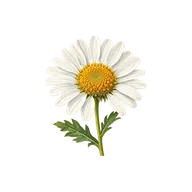
Typical of the family
- Inflorescence
- Raceme
- Fruit
- Legume

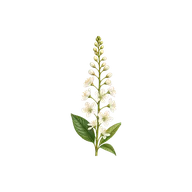
Characters marked “recorded” are for Kiwach itself; the rest are typical of the Fabaceae family — flowering plants only.
About Kiwach
Velvet Bean (Mucuna pruriens var. pruriens) belongs to the Fabaceae family, where it grows as a woody climber. In India it has been recorded in Maharashtra, Assam, Manipur and 1 other states. It grows in in secondary forests at lower altitudes and in plains. Flowering and fruiting run from September to March.
Uses
Locally it is grown for parts that are eaten, stripped for fibre used in rope and matting and harvested for fodder.
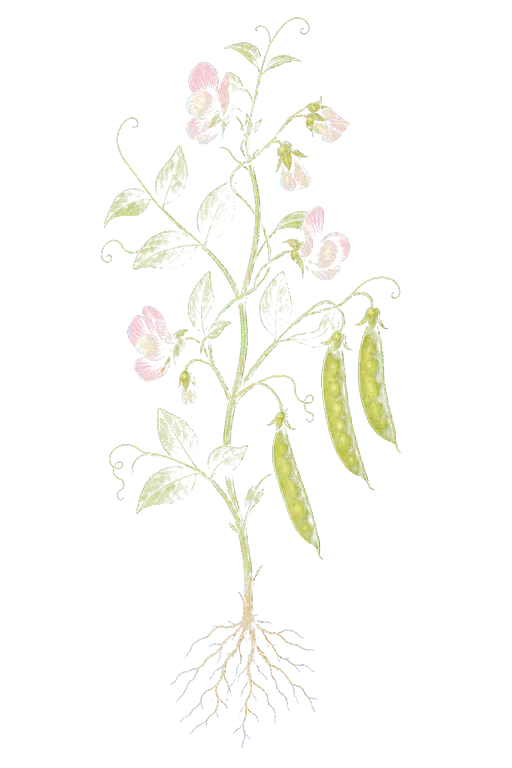
Fabaceae
Legume/Bean family
Kiwach belongs to the Fabaceae family.
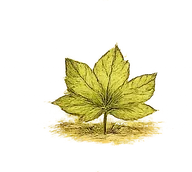
The illustration represents the family — not necessarily this exact species.
Explore the Fabaceae familySnap it. Know it.
Point your camera at Kiwach or any plant and SASYA identifies it instantly — on-device, offline, and private.
Common plant problems
If you are starting from symptoms instead of a diagnosis, use the plant disease symptom checker to narrow the cause before treating.
All plant problem & care guides