

Aparajita / Butterfly Pea
Clitoria ternatea
Also known as Clitoria
- Habit
- Climber
- Found in India
- Maharashtra, Tamil Nadu, Kerala & more
- Flowering
- March-October
How to identify Aparajita
Identify Aparajita by combining habit, leaf characters, flower or fruit details, location, and its family pattern. Do not rely on one feature alone.
- Look for a climber habit.
- Check the distinctive field mark: Bright blue butterfly-shaped flowers (butterfly pea).
- Confirm leaf type: Pinnately compound (leaflets in rows along a stalk).
- Confirm leaf shape: Elliptic.
- Confirm flower colour: Purple.
- Confirm fruit type: Legume.
- Use the leaf pattern: alternate leaf arrangement, compound leaves, entire leaf margins, pinnate venation.
Plant Details
- Scientific name
- Clitoria ternatea
- Genus
- Clitoria
- Family
- Fabaceae
- Habit
- Climber
- Habitat
- Deciduous forests also cultivated as ornamental
- Habitat type
- Forest, Cultivated
- Native to
- South America
- Distribution
- Widely cultivated in Tropics
- Found in India
- Maharashtra, Tamil Nadu, Kerala, Karnataka, Andhra Pradesh, Telangana, Gujarat, Assam, West Bengal, Goa, Madhya Pradesh, Chhattisgarh, Rajasthan, Uttarakhand, Bihar, Odisha, Haryana, Delhi, Puducherry, Uttar Pradesh, Tripura, Arunachal Pradesh, Punjab, Chandigarh, Dadra & Nagar Haveli, Daman & Diu, Himachal Pradesh, Jharkhand, Lakshadweep, Meghalaya, Mizoram, Nagaland
- Flowering & fruiting
- March-October
- Conservation status
- Not Evaluated (NE)
Leaf characters
- Leaf type
- Pinnately compound (leaflets in rows along a stalk)recorded
- Leaf shape
- EllipticrecordedWidest at the middle, tapering evenly at both ends.“It is a perennial herbaceous plant, with elliptic, obtuse leaves.” — Wikipedia, CC BY-SA 4.0
- Leaf surface
- Glabrous (smooth, hairless)recorded
Typical of the family
- Arrangement
- Alternate
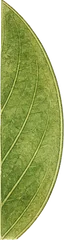

Characters marked “recorded” are for Aparajita itself; the rest are typical of the Fabaceae family.
Flower & fruit characters
- Flower colour
- PurplerecordedPurple or violet
- Fruit type
- LegumerecordedA dry pod that splits open along two seams (typical of the pea/bean family).“The fruits are 5–7 cm (2–2+3⁄4 in) long, flat pods with six to ten seeds in each pod.” — Wikipedia, CC BY-SA 4.0
Typical of the family
- Flower symmetry
- Zygomorphic (bilaterally symmetrical)
- Inflorescence
- Raceme
- Fruit
- Legume
Characters marked “recorded” are for Aparajita itself; the rest are typical of the Fabaceae family — flowering plants only.
Local Names
- Hindi
- अपराजिता Aparajita,अपराजिता aparajita
- Nepali
- अपराजिता
- Bengali
- অপরাজিতা
- Tamil
- சங்கு கன்னிக்கொடி Kannikkodi, சங்கு புட்பம், கருவிளை
- Telugu
- సఖా పుశ్పమ్ sakha pushpam, శంఖపుష్పం, గిరికర్ణిక
- Kannada
- ಸಟ್ಟಗ Sattaga, ಶಂಖಪುಷ್ಪ Shankha puṣhpa, ಶಂಖಪುಷ್ಪಿ Shankha puṣhpi
- Malayalam
- സന്ഗ പുശ്പമ Sangu pushpam, ശംഖുപുഷ്പം, ശംഖുപുഷ്പി
- Marathi
- गोकर्ण Gokurna Shankha Pushpa शंख पुष्प, गोकर्णी
- Odia
- ଅପରାଜିତା
- Punjabi
- ਅਪਰਾਜਿਤਾ
- Assamese
- অপৰাজিতা
- Sinhala
- කටරොළු, නිල් කටරොළු
Aparajita in India
Aparajita is the vivid blue climber whose flowers colour both worship and tea — अपराजिता Aparajita (Hindi), சங்கு கன்னிக்கொடி Kannikkodi (Tamil), సఖా పుశ్పమ్ sakha pushpam (Telugu), ಸಟ್ಟಗ Sattaga (Kannada), സന്ഗ പുശ്പമ Sangu pushpam (Malayalam), गोकर्ण Gokurna Shankha Pushpa शंख पुष्प (Marathi). Clitoria ternatea is grown across Maharashtra, Tamil Nadu, Kerala, Karnataka, Andhra Pradesh, Telangana on fences and trellises.
Uses
Its deep-blue flowers are offered in worship (especially to goddesses) and are now widely used to brew a striking blue herbal tea that turns purple with a squeeze of lemon. It has attributed uses in Ayurveda and, as a legume, enriches the soil.
How to Identify Aparajita
A slender twining climber with pinnate leaves of a few oval leaflets. The flowers are unmistakable: solitary, deep blue (sometimes white) pea-flowers with a pale or yellow throat, held so the large petal faces out, followed by flat pods. When not flowering, confirm it by the twining habit, compound leaves and bean-family pods rather than the blue-flower clue alone.
How to Keep It Healthy in India
Aparajita grows like a warm-season legume: it climbs fast when heat, sun and moisture arrive, then slows in cool or very dry weather. Give it a sunny fence or trellis, loose well-drained soil, and regular watering while it is establishing. Because it is a legume, it does not need heavy nitrogen fertiliser; compost and a small amount of phosphorus/potassium-rich flowering feed are better than lush leaf-pushing doses. In monsoon it may race upward, so prune lightly to keep it flowering on fresh growth. In cooler northern winters it can pause or die back, then regrow from seed or surviving stems when warmth returns.
Frequently Asked Questions
- What is Butterfly Pea called in different Indian languages?
- अपराजिता Aparajita (Hindi); சங்கு கன்னிக்கொடி Kannikkodi (Tamil); సఖా పుశ్పమ్ sakha pushpam (Telugu); ಸಟ್ಟಗ Sattaga (Kannada); സന്ഗ പുശ്പമ Sangu pushpam (Malayalam); गोकर्ण Gokurna Shankha Pushpa शंख पुष्प (Marathi); অপরাজিতা (Bengali); ଅପରାଜିତା (Odia); ਅਪਰਾਜਿਤਾ (Punjabi).
- What is butterfly pea (aparajita) tea?
- It is a caffeine-free herbal tea brewed from the blue flowers; it brews vivid blue and turns purple-pink when lemon is added.
- What is aparajita used for?
- The blue flowers are used in worship and to brew blue tea, and the plant has attributed uses in Ayurveda; as a legume it also improves the soil.
- How do I grow aparajita in India?
- Give it sun, a trellis, well-drained soil and regular water in warm months. Avoid heavy nitrogen fertiliser; compost and light flowering feed are enough.
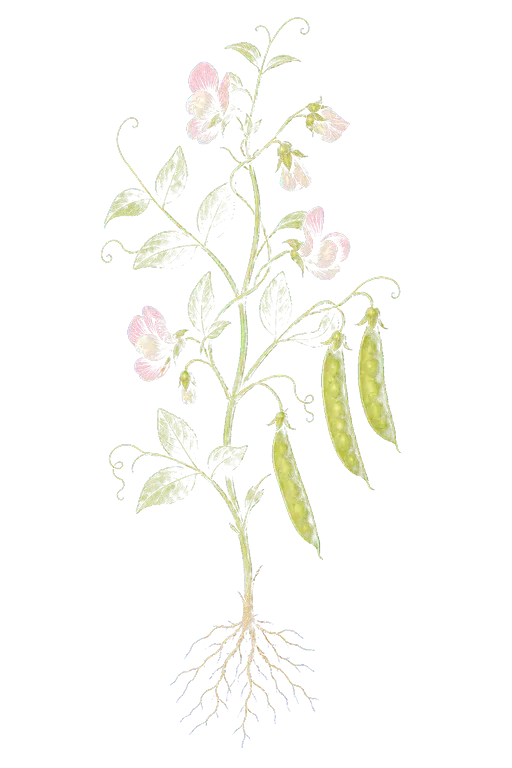
Fabaceae
Legume/Bean family
Aparajita belongs to the Fabaceae family.
The illustration represents the family — not necessarily this exact species.
Explore the Fabaceae familySnap it. Know it.
Point your camera at Aparajita or any plant and SASYA identifies it instantly — on-device, offline, and private.
Common plant problems
If you are starting from symptoms instead of a diagnosis, use the plant disease symptom checker to narrow the cause before treating.
All plant problem & care guidesMore in Fabaceae
View all FabaceaeSources: GBIF — Clitoria ternatea (India distribution & vernacular names) (CC BY 4.0) · iNaturalist — Clitoria ternatea (regional names, India observations) (CC BY 4.0) · Wikipedia — Clitoria ternatea (background/comprehension only) (CC BY-SA 4.0)