
As recorded for Kiwach
Mucuna pruriens var. utilis
Kiwach / Portuguese Coffee खाज कुइरी
Marathi name · See all regional names ↓
Also known as Velvetbean, Picapica, Mauritius Bean, Café Brazilii, Bengal Bean
- Habit
- Climber
- Found in India
- Sikkim
- Flowering
- June-December
Kiwach in regional languages
Find the name you know, then compare it with the botanical profile. Columns list recorded aliases; they are not paired translations. A Latin spelling appears only when it is present in the source record.
| Language | Regional script | Recorded Latin spelling |
|---|---|---|
| Hindi | Not recorded | Kiwach |
| Nepali | काउसे सिमी | Kaause Simee |
| Bengali | Not recorded | Akolchi |
| Telugu | Not recorded | Pilliadugu |
| Kannada | ನಸುಗುನ್ನಿ · ನೊಸಗೊನ್ನೆ · ನಾಯಿಸೊಣಗುಬಳ್ಳಿ | Nasugunni, Nosagonne, Nayisonanguballi |
| Malayalam | Not recorded | Naicorna |
| Marathi | खाज कुइरी | Khaj-kuiri |
See the original recorded names
- Hindi
- Kiwach
- Nepali
- काउसे सिमी Kaause Simee
- Bengali
- Akolchi
- Telugu
- Pilliadugu
- Kannada
- ನಸುಗುನ್ನಿ Nasugunni, ನೊಸಗೊನ್ನೆ Nosagonne, ನಾಯಿಸೊಣಗುಬಳ್ಳಿ Nayisonanguballi
- Malayalam
- Naicorna
- Marathi
- खाज कुइरी Khaj-kuiri
Ecology & growing context
- Native status · Kew WCVP
- WCVP native range includes India Kew dataset ↗
Kew WCVP dataset; accepted-name match. Dataset matching is separate from an individual regional review. Recorded worldwide native range: as a cultigen from Trop. Asia.
- Recorded habitat
- Cultivated
- Explore nearby plants
- Sikkim →
Occurrence records show where a plant has been recorded; they do not establish that it is native there. Compare local habitat and growing conditions when choosing plants for a garden.
How to identify Kiwach
Identify Kiwach by combining habit, leaf characters, flower or fruit details, location, and its family pattern. Do not rely on one feature alone.
- Look for a climber habit.
- Check the distinctive field mark: Cultivated velvet bean variety with fewer irritant hairs.
- Confirm leaf type: Trifoliate.
- Confirm leaf shape: Ovate.
- Confirm flower colour: Purple.
- Confirm flower arrangement: Head.
- In season, compare flowering and fruiting time: June-December.
Plant Details
- Scientific name
- Mucuna pruriens var. utilis
- Genus
- Mucuna
- Family
- Fabaceae
- Habit
- Climber
- Habitat
- Cultivated
- Habitat type
- Cultivated
- Native to
- Southeast Asia
- Found in India
- Sikkim
- Flowering & fruiting
- June-December
- Conservation status
- NE
Leaf characters
- Leaf type
- TrifoliaterecordedA compound leaf made of exactly three leaflets.
- Leaf shape
- OvaterecordedEgg-shaped, broader near the base.“The leaves are tripinnate, ovate, reverse ovate, rhombus-shaped or widely ovate.” — Wikipedia, CC BY-SA 4.0
- Leaf surface
- Hirsute (coarsely hairy)recorded
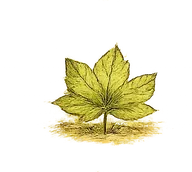
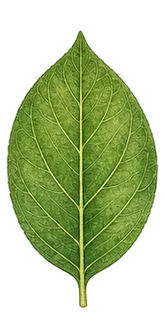
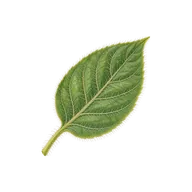
Typical of the family
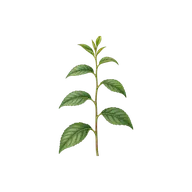
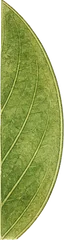

Characters marked “recorded” are for Kiwach itself; the rest are typical of the Fabaceae family.
Flower & fruit characters
- Flower colour
- PurplerecordedPurple or violet
- Flower arrangement
- HeadrecordedA dense, tight cluster of many small stalkless flowers, packed into a rounded or flat head.“The flower heads take the form of axially arrayed panicles.” — Wikipedia, CC BY-SA 4.0
- Fruit surface
- HairyrecordedCovered in visible hairs or fuzz.

Typical of the family
- Inflorescence
- Raceme
- Fruit
- Legume

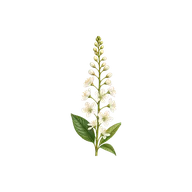
Characters marked “recorded” are for Kiwach itself; the rest are typical of the Fabaceae family — flowering plants only.
Kiwach in India
This climbing legume, known as Kiwach (Hindi), Pilliadugu (Telugu), ನಸುಗುನ್ನಿ Nasugunni (Kannada), Naicorna (Malayalam), खाज कुइरी Khaj-kuiri (Marathi), Akolchi (Bengali), is best known for its intensely irritant seed pods. Mucuna pruriens is found across Sikkim, often scrambling over hedges and fences.
Uses
Its seeds have a long history of traditional Ayurvedic use, and in some regions the young pods, after careful preparation to remove the irritant hairs, are cooked as a vegetable — an attributed traditional use, not a medical claim.
How to Identify Kiwach
A twining vine with trifoliate leaves. Purple, hanging flower clusters are followed by curved, densely hairy pods covered in fine, barbed hairs that cause intense itching on contact — the plant's most distinctive and cautionary feature.
Frequently Asked Questions
- What is Portuguese Coffee called in different Indian languages?
- Kiwach (Hindi); Pilliadugu (Telugu); ನಸುಗುನ್ನಿ Nasugunni (Kannada); Naicorna (Malayalam); खाज कुइरी Khaj-kuiri (Marathi); Akolchi (Bengali).
- Why does touching the pods itch so much?
- The pods are covered in fine, barbed hairs containing an irritant compound that lodges in skin on contact, causing intense itching — handle them only with care, never bare-handed.
- Is velvet bean the same as cowhage?
- Yes — 'cowhage' and 'velvet bean' are both common English names for Mucuna pruriens, referring to the same itch-inducing pods.
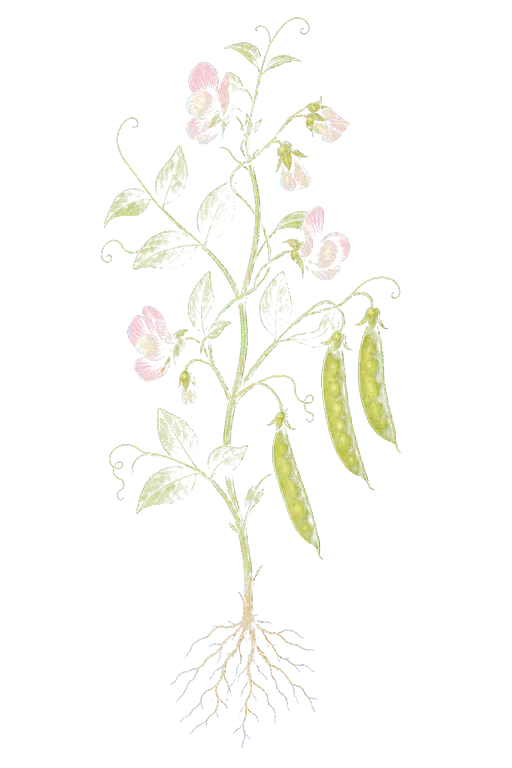
Fabaceae
Legume/Bean family
Kiwach belongs to the Fabaceae family.
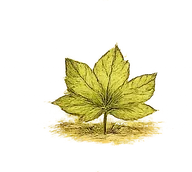
The illustration represents the family — not necessarily this exact species.
Explore the Fabaceae familySnap it. Know it.
Point your camera at Kiwach or any plant and SASYA identifies it instantly — on-device, offline, and private.
Common plant problems
If you are starting from symptoms instead of a diagnosis, use the plant disease symptom checker to narrow the cause before treating.
All plant problem & care guidesMore in Fabaceae
View all FabaceaeSources: GBIF — Mucuna pruriens var. utilis (India distribution & vernacular names) (CC BY 4.0) · Wikipedia — Mucuna pruriens var. utilis (background/comprehension only) (CC BY-SA 4.0)