
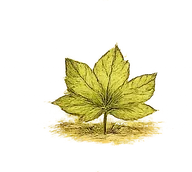
As recorded for Lal Chandan
Pterocarpus santalinus
Lal Chandan / Indian Red Wood लाल चंदन
Hindi name · See all regional names ↓
Also known as Red Sanders, Red Sandalwood
- Habit
- Tree
- Found in India
- Tamil Nadu, Andhra Pradesh, Telangana & more
- Flowering
- April-June; Fruit till February
Lal Chandan in regional languages
Find the name you know, then compare it with the botanical profile. Columns list recorded aliases; they are not paired translations. A Latin spelling appears only when it is present in the source record.
| Language | Regional script | Recorded Latin spelling |
|---|---|---|
| Hindi | लाल चंदन · रक्तचंदन | Lal chandan, Raktachandan, Lal Chandan |
| Nepali | रक्तचन्दन | Not recorded |
| Tamil | செஞ்சந்தனம் | Semmaram, Sivappuchandanam |
| Telugu | ఎర్రచందనం · ఎర్ర చందనం | Yerrachandanam |
| Kannada | ರಕ್ತಚಂದನ | Kempujandha, Raktashandana |
| Malayalam | രക്തചന്ദനമ് | Chenchandanam, Rakthachandanam |
| Marathi | रक्तचंदन | Ratanjan |
| Sanskrit | Not recorded | Agarujandha, Arka, Chandana, Harichandana |
| Gujarati | Not recorded | Ratanjali |
See the original recorded names
- Hindi
- लाल चंदन Lal chandan, रक्तचंदन Raktachandan, Lal Chandan, Raktachandan
- Nepali
- रक्तचन्दन
- Tamil
- Semmaram, Sivappuchandanam, செஞ்சந்தனம்
- Telugu
- Yerrachandanam, ఎర్రచందనం, ఎర్ర చందనం
- Kannada
- Kempujandha, Raktashandana, ರಕ್ತಚಂದನ
- Malayalam
- Chenchandanam, രക്തചന്ദനമ് Rakthachandanam, Rakthachandanam
- Marathi
- Ratanjan, रक्तचंदन
- Sanskrit
- Agarujandha, Arka, Chandana, Harichandana
- Gujarati
- Ratanjali
Ecology & growing context
- Native status · Kew WCVP
- WCVP native range includes India Kew dataset ↗
Kew WCVP dataset; accepted-name match. Dataset matching is separate from an individual regional review. Recorded worldwide native range: S. India.
- Recorded habitat
- Deciduous forests, also planted
- Explore nearby plants
- Tamil Nadu →Andhra Pradesh →Telangana →
Occurrence records show where a plant has been recorded; they do not establish that it is native there. Compare local habitat and growing conditions when choosing plants for a garden.
How to identify Lal Chandan
Identify Lal Chandan by combining habit, leaf characters, flower or fruit details, location, and its family pattern. Do not rely on one feature alone.
- Look for a tree habit.
- Check the distinctive field mark: Valuable red sandalwood-like heartwood.
- Confirm leaf arrangement: Alternate.
- Confirm leaf type: Trifoliate.
- Confirm flower colour: Yellow.
- Confirm flower arrangement: Raceme.
- In season, compare flowering and fruiting time: April-June; Fruit till February.
Plant Details
- Scientific name
- Pterocarpus santalinus
- Genus
- Pterocarpus
- Family
- Fabaceae
- Habit
- Tree
- Habitat
- Deciduous forests, also planted
- Habitat type
- Forest, Cultivated
- Native to
- India
- Distribution
- India
- Found in India
- Tamil Nadu, Andhra Pradesh, Telangana, Kerala, Karnataka, West Bengal, Gujarat, Odisha, Puducherry, Rajasthan, Uttarakhand
- Flowering & fruiting
- April-June; Fruit till February
- Conservation status
- Endangered (EN)
Leaf characters
- Leaf arrangement
- AlternaterecordedOne leaf per node, arranged in a spiral or zigzag up the stem.“The leaves are alternate, 3–9 cm (1.2–3.5 in) long, trifoliate with three leaflets.” — Wikipedia, CC BY-SA 4.0
- Leaf type
- TrifoliaterecordedA compound leaf made of exactly three leaflets.“The leaves are alternate, 3–9 cm (1.2–3.5 in) long, trifoliate with three leaflets.” — Wikipedia, CC BY-SA 4.0
- Leaf surface
- Glabrous (smooth, hairless)recorded
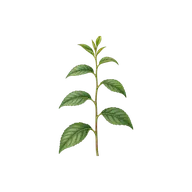
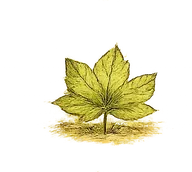
Typical of the family


Characters marked “recorded” are for Lal Chandan itself; the rest are typical of the Fabaceae family.
Flower & fruit characters
- Flower colour
- Yellowrecorded
- Flower arrangement
- RacemerecordedIndividual stalked flowers arranged along a central stem, opening from bottom to top.“The flowers are produced in short racemes.” — Wikipedia, CC BY-SA 4.0
- Fruit type
- LegumerecordedA dry pod that splits open along two seams (typical of the pea/bean family).“The fruit is a pod 6–9 cm (2.4–3.5 in) long containing one or two seeds.” — Wikipedia, CC BY-SA 4.0
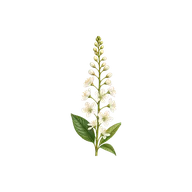
Typical of the family
- Inflorescence
- Raceme
- Fruit
- Legume

Characters marked “recorded” are for Lal Chandan itself; the rest are typical of the Fabaceae family — flowering plants only.
Lal Chandan in India
This slow-growing tree, known as लाल चंदन Lal chandan (Hindi), Semmaram (Tamil), Yerrachandanam (Telugu), Kempujandha (Kannada), Chenchandanam (Malayalam), Ratanjan (Marathi), produces one of the world's most valuable and tightly protected timbers. Pterocarpus santalinus is found across Tamil Nadu, Andhra Pradesh, Telangana, Kerala, Karnataka, West Bengal, mainly in a small native range in Andhra Pradesh.
Uses
Its dense, deep red heartwood is highly prized for carving, musical instruments and traditional medicine systems in other countries, but the species is protected and its harvest and export are tightly restricted due to a long history of illegal logging.
How to Identify Lal Chandan
A small to medium deciduous tree with pinnately compound leaves made of a few rounded leaflets. Small yellow pea-like flowers appear in loose clusters, followed by flat, rounded, winged pods. The tree is far more often identified by its distinctive dark red heartwood than its modest foliage.
Frequently Asked Questions
- What is Indian Red wood called in different Indian languages?
- लाल चंदन Lal chandan (Hindi); Semmaram (Tamil); Yerrachandanam (Telugu); Kempujandha (Kannada); Chenchandanam (Malayalam); Ratanjan (Marathi); Ratanjali (Gujarati); Agarujandha (Sanskrit).
- Is this the same as Rakt Chandan/Adenanthera pavonina?
- No — the name overlaps in casual use, but true red sandalwood is Pterocarpus santalinus; Adenanthera pavonina is a different, unrelated tree sometimes called by a similar name in some regions.
- Why is it protected?
- Its native range is naturally small (mainly parts of Andhra Pradesh), and decades of illegal logging for its valuable red heartwood have made strict protection and export controls necessary.
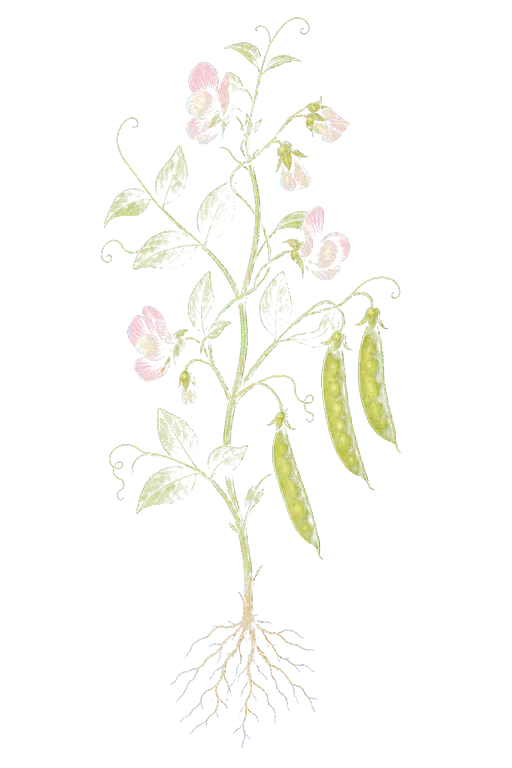
Fabaceae
Legume/Bean family
Lal Chandan belongs to the Fabaceae family.
The illustration represents the family — not necessarily this exact species.
Explore the Fabaceae familySnap it. Know it.
Point your camera at Lal Chandan or any plant and SASYA identifies it instantly — on-device, offline, and private.
Common plant problems
If you are starting from symptoms instead of a diagnosis, use the plant disease symptom checker to narrow the cause before treating.
All plant problem & care guidesMore in Fabaceae
View all FabaceaeSources: GBIF — Pterocarpus santalinus (India distribution & vernacular names) (CC BY 4.0) · Wikipedia — Pterocarpus santalinus (background/comprehension only) (CC BY-SA 4.0)