Kalinga / Indian Elm
Pongamia pinnata
Also known as Pongam Oil Tree, Indian Beech Wood Tree
- Habit
- Tree
- Found in India
- Maharashtra, Tamil Nadu, Karnataka & more
- Flowering
- April-December
How to identify Kalinga
Identify Kalinga by combining habit, leaf characters, flower or fruit details, location, and its family pattern. Do not rely on one feature alone.
- Look for a tree habit.
- Check the distinctive field mark: Seeds pressed for pongam biodiesel oil.
- Confirm leaf arrangement: Alternate.
- Confirm leaf type: Pinnately compound.
- Confirm flower colour: Purple.
- Confirm flower arrangement: Raceme.
- Use the leaf pattern: alternate leaf arrangement, compound leaves, entire leaf margins, pinnate venation.
Plant Details
- Scientific name
- Pongamia pinnata
- Genus
- Pongamia
- Family
- Fabaceae
- Habit
- Tree
- Habitat
- Deciduous forests, also planted as avenue tree
- Habitat type
- Forest, Cultivated
- Native to
- Southern and Eastern Asia, Australia
- Distribution
- Indo-Himalayas, Sri lanka, Myanmar, Malaysia, Northern Australia, Polynesia, Mascarene Islands, Micronesia
- Found in India
- Maharashtra, Tamil Nadu, Karnataka, Telangana, Andhra Pradesh, Kerala, Rajasthan, Gujarat, West Bengal, Delhi, Madhya Pradesh, Uttar Pradesh, Bihar, Chhattisgarh, Assam, Odisha, Andaman & Nicobar Islands, Puducherry, Haryana, Goa, Chandigarh, Uttarakhand, Himachal Pradesh, Arunachal Pradesh, Daman & Diu, Jharkhand, Mizoram
- Flowering & fruiting
- April-December
- Conservation status
- Least Concern (LC)
Leaf characters
- Leaf arrangement
- AlternaterecordedOne leaf per node, arranged in a spiral or zigzag up the stem.“The imparipinnate leaves of the tree alternate and are short-stalked, rounded, or cuneate at the base;” — Wikipedia, CC BY-SA 4.0
- Leaf type
- Pinnately compoundrecordedLeaflets are arranged in rows along a central stalk, like a feather.“The imparipinnate leaves of the tree alternate and are short-stalked, rounded, or cuneate at the base;” — Wikipedia, CC BY-SA 4.0
- Leaf shape
- OrbicularrecordedRounded, roughly circular.“The imparipinnate leaves of the tree alternate and are short-stalked, rounded, or cuneate at the base;” — Wikipedia, CC BY-SA 4.0
- Leaf surface
- Glabrous (smooth, hairless)recorded
Typical of the family
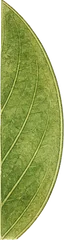
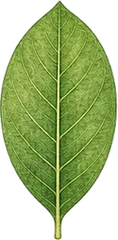
Characters marked “recorded” are for Kalinga itself; the rest are typical of the Fabaceae family.
Flower & fruit characters
- Flower colour
- PurplerecordedPurple or violet
- Flower arrangement
- RacemerecordedIndividual stalked flowers arranged along a central stem, opening from bottom to top.“The raceme-like inflorescences bear two to four flowers that are strongly fragrant and grow to be 15–18 mm (0.59–0.71 in) long.” — Wikipedia, CC BY-SA 4.0
- Fruit type
- LegumerecordedA dry pod that splits open along two seams (typical of the pea/bean family).“Pongamia pinnata is a legume tree that grows to about 15–25 m (50–80 ft) in height with a large canopy which spreads equally wide and creates dense shade.” — Wikipedia, CC BY-SA 4.0
Typical of the family
- Flower symmetry
- Zygomorphic (bilaterally symmetrical)
- Inflorescence
- Raceme
- Fruit
- Legume
Characters marked “recorded” are for Kalinga itself; the rest are typical of the Fabaceae family — flowering plants only.
Local Names
- Hindi
- कलिंग Kalinga, करंज Karanj, नक्तमाल Naktmal
- Nepali
- करेंगी Karengi, कद्जा Kadzaa, करन्ज Karanj
- Bengali
- করঞ্জ Karanja
- Tamil
- ஆசிருந்தம் Aciruntam, ஆகிரந்தம் Akirantam, ஆலம் Alam, புங்கை
- Telugu
- కాడెపుతీగ Kaadeputhige, కానుగ చెట్టు Kaanuga Chettu, కగ్గెర Kaggera
- Kannada
- ಹೊಂಗೆ ಮರ Honge Mara, ಹುಲಿಗಿಲಿ ಮರ Huligili Mara, ಕರಂಜ Karanja, ಹೊಂಗೆ ಮರ
- Malayalam
- പൊങ്ങം Pongam, പുങ്ങു Pungu
- Marathi
- करंज Karanj, करंज
- Gujarati
- કરંજ, કણજી
Kalinga in India
Karanj is a tough, glossy-leaved shade and avenue tree native to the region — कलिंग Kalinga (Hindi), ஆசிருந்தம் Aciruntam (Tamil), కాడెపుతీగ Kaadeputhige (Telugu), ಹೊಂಗೆ ಮರ Honge Mara (Kannada), പൊങ്ങം Pongam (Malayalam), करंज Karanj (Marathi). Pongamia pinnata is recorded across Maharashtra, Tamil Nadu, Karnataka, Telangana, Andhra Pradesh, Kerala, common along roads, canals and coasts because it tolerates poor and saline soils.
Uses
The oil-rich seeds (pongam/karanj oil) are a long-standing source of lamp oil and are now studied for biodiesel, and the oil and bark have attributed uses in traditional medicine. As a nitrogen-fixing legume it is also planted to improve soil and for shade.
How to Identify Kalinga
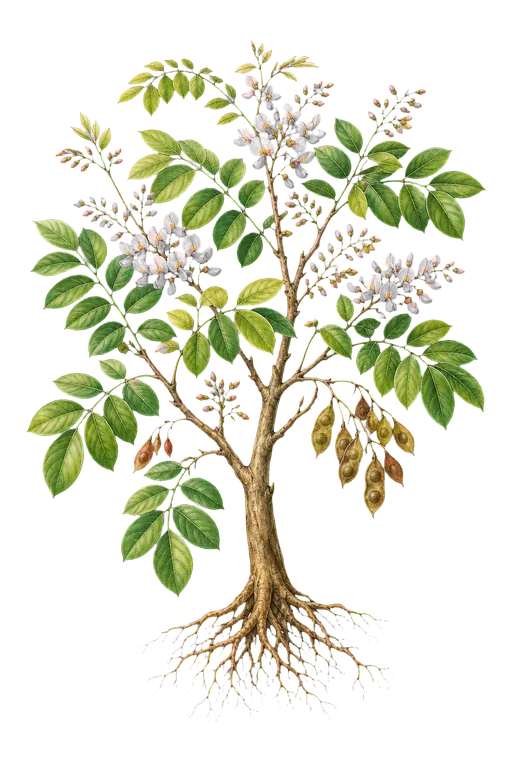
A medium tree with a dense, shiny canopy of pinnate leaves whose leaflets are smooth and pointed. Sprays of pinkish-white pea-like flowers give way to flat, woody, one-seeded pods that do not split open. The fresh glossy flush is noticeably bright green.
Frequently Asked Questions
- What is Indian Elm called in different Indian languages?
- कलिंग Kalinga (Hindi); ஆசிருந்தம் Aciruntam (Tamil); కాడెపుతీగ Kaadeputhige (Telugu); ಹೊಂಗೆ ಮರ Honge Mara (Kannada); പൊങ്ങം Pongam (Malayalam); करंज Karanj (Marathi); করঞ্জ Karanja (Bengali); કરંજ (Gujarati).
- What is karanj oil used for?
- Pressed from the seeds, karanj (pongam) oil has traditionally been used for lamps and in folk remedies, and is now investigated as a biodiesel feedstock.
- Why is Pongamia planted along roads?
- It casts dense shade, fixes nitrogen to improve soil, and tolerates poor, dry and saline conditions, which makes it a reliable avenue and wasteland tree.
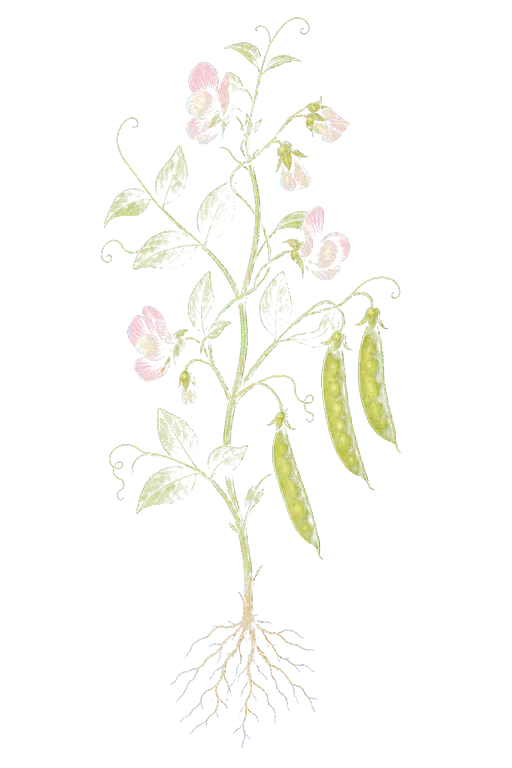
Fabaceae
Legume/Bean family
Kalinga belongs to the Fabaceae family.
The illustration represents the family — not necessarily this exact species.
Explore the Fabaceae familySnap it. Know it.
Point your camera at Kalinga or any plant and SASYA identifies it instantly — on-device, offline, and private.
Common plant problems
If you are starting from symptoms instead of a diagnosis, use the plant disease symptom checker to narrow the cause before treating.
All plant problem & care guidesMore in Fabaceae
View all FabaceaeSources: GBIF — Pongamia pinnata (India distribution & vernacular names) (CC BY 4.0) · iNaturalist — Pongamia pinnata (regional names, India observations) (CC BY 4.0) · Wikipedia — Pongamia pinnata (background/comprehension only) (CC BY-SA 4.0)