
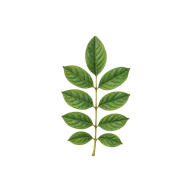
Typical of the Fabaceae family
Crotalaria retusa
Ghunghunia / Common Rattle Pod घुनघुनिया
Hindi name · See all regional names ↓
Also known as Big Yellow Pupbush, Cascabelillo, Large Yellow Rattlebox, Rattlebox, Rattlewee, Wedge-Leaf Rattlepod, Yellow Lupin
- Habit
- Undershrub
- Found in India
- Maharashtra, Karnataka, Kerala & more
- Flowering
- August-March
Ghunghunia in regional languages
Find the name you know, then compare it with the botanical profile. Columns list recorded aliases; they are not paired translations. A Latin spelling appears only when it is present in the source record.
| Language | Regional script | Recorded Latin spelling |
|---|---|---|
| Hindi | घुनघुनिया | Ghunghunia, ghunaghuniya |
| Bengali | অতসী · বনশণ | Not recorded |
| Tamil | கிலுகிலுப்பை | Kilukiluppai |
| Kannada | ಗಿಜಿ ಗಿಜಿ ಗಿಡ | Guluguluppahalli |
| Malayalam | കിലുകിലുക്കി | Matrghatini, Crotalaria retusa |
| Marathi | खुळखुळा | Gagra |
| Gujarati | ઘુઘરા | Not recorded |
See the original recorded names
- Hindi
- घुनघुनिया Ghunghunia,घुनघुनिया ghunaghuniya
- Bengali
- অতসী, বনশণ
- Tamil
- கிலுகிலுப்பை Kilukiluppai
- Kannada
- Guluguluppahalli, ಗಿಜಿ ಗಿಜಿ ಗಿಡ
- Malayalam
- Matrghatini, കിലുകിലുക്കി, Crotalaria retusa
- Marathi
- Gagra, खुळखुळा
- Gujarati
- ઘુઘરા
Ecology & growing context
- Native status · Kew WCVP
- WCVP native range includes Assam, India, Laccadive Is., West Himalaya Kew dataset ↗
Kew WCVP dataset; accepted-name match. Dataset matching is separate from an individual regional review. Recorded worldwide native range: Somalia to Mozambique, W. Indian Ocean, Trop. & Subtrop. Asia to N. Australia.
- Recorded habitat
- Open deciduous forests and scrub forest near moist places
- Explore nearby plants
- Maharashtra →Karnataka →Kerala →
Occurrence records show where a plant has been recorded; they do not establish that it is native there. Compare local habitat and growing conditions when choosing plants for a garden.
How to identify Ghunghunia
Identify Ghunghunia by combining habit, leaf characters, flower or fruit details, location, and its family pattern. Do not rely on one feature alone.
- Look for a undershrub habit.
- Confirm leaf arrangement: Alternate.
- Confirm leaf type: Simple (single blade).
- Confirm flower colour: Yellow.
- Confirm flower arrangement: Raceme.
- In season, compare flowering and fruiting time: August-March.
- In India, compare location records such as Maharashtra, Karnataka, Kerala, Tamil Nadu and nearby regions.
Plant Details
- Scientific name
- Crotalaria retusa
- Genus
- Crotalaria
- Family
- Fabaceae
- Habit
- Undershrub
- Habitat
- Open deciduous forests and scrub forest near moist places
- Native to
- Southeast Asia
- Distribution
- All tropics of the World
- Found in India
- Maharashtra, Karnataka, Kerala, Tamil Nadu, West Bengal, Andhra Pradesh, Andaman & Nicobar Islands, Lakshadweep, Arunachal Pradesh, Gujarat, Odisha, Telangana, Uttarakhand
- Flowering & fruiting
- August-March
- Conservation status
- Not Evaluated (NE)
Leaf characters
- Leaf arrangement
- AlternaterecordedOne leaf per node, arranged in a spiral or zigzag up the stem.“The soft leaves (dark green on the upper surface, lighter underneath) are alternate, and narrowly oblong or wedge-shaped.” — Wikipedia, CC BY-SA 4.0
- Leaf type
- Simple (single blade)recorded
- Leaf shape
- OblongrecordedLonger than wide with roughly parallel sides, the ends rounded.“The soft leaves (dark green on the upper surface, lighter underneath) are alternate, and narrowly oblong or wedge-shaped.” — Wikipedia, CC BY-SA 4.0
- Leaf surface
- Pubescent (softly hairy)recorded
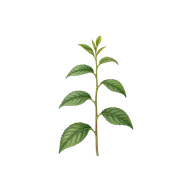
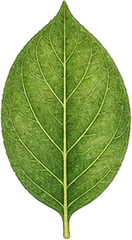
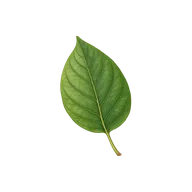
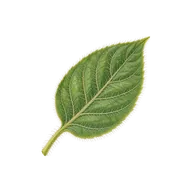
Typical of the family


Characters marked “recorded” are for Ghunghunia itself; the rest are typical of the Fabaceae family.
Flower & fruit characters
- Flower colour
- Yellowrecorded
- Flower arrangement
- RacemerecordedIndividual stalked flowers arranged along a central stem, opening from bottom to top.“The yellow flowers grow widely spaced in racemes at the end of the stem.” — Wikipedia, CC BY-SA 4.0
- Fruit surface
- Inflated (balloon-like)recorded
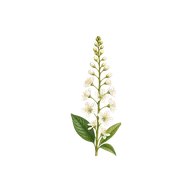
Typical of the family
- Inflorescence
- Raceme
- Fruit
- Legume
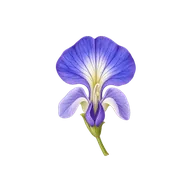
Characters marked “recorded” are for Ghunghunia itself; the rest are typical of the Fabaceae family — flowering plants only.
About Ghunghunia
Common Rattle Pod (Crotalaria retusa) belongs to the Fabaceae family, where it grows as a low shrub. In India it has been recorded in Maharashtra, Karnataka, Kerala and 10 other states. It grows in open deciduous forests and scrub forest near moist places. Flowering and fruiting run from August to March.
Uses
In practice it is stripped for fibre used in rope and matting, harvested for fodder and used to hold soil and restore degraded ground. Parts of this plant are reported as poisonous — treat it as unsafe to eat and wash your hands after handling.
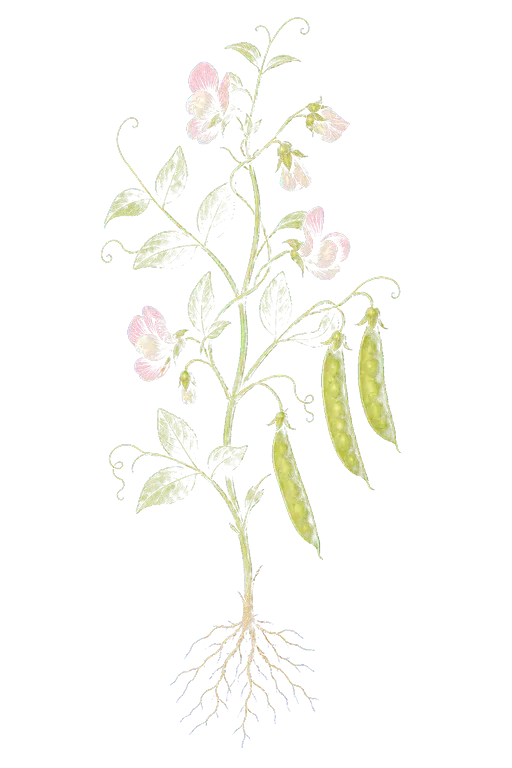
Fabaceae
Legume/Bean family
Ghunghunia belongs to the Fabaceae family.
The illustration represents the family — not necessarily this exact species.
Explore the Fabaceae familySnap it. Know it.
Point your camera at Ghunghunia or any plant and SASYA identifies it instantly — on-device, offline, and private.
Common plant problems
If you are starting from symptoms instead of a diagnosis, use the plant disease symptom checker to narrow the cause before treating.
All plant problem & care guides