
As recorded for Lobiya
Vigna unguiculata subsp. unguiculata
Lobiya / Cow Pea लोबिया
Hindi name · See all regional names ↓
Also known as Asparagus Bean, Barbati, Black Eye Pea, Blue Goose Southern Pea, Common Cowpea, Southern Pea
- Habit
- Climber
- Found in India
- Maharashtra
- Flowering
- Throughout the year
Lobiya in regional languages
Find the name you know, then compare it with the botanical profile. Columns list recorded aliases; they are not paired translations. A Latin spelling appears only when it is present in the source record.
| Language | Regional script | Recorded Latin spelling |
|---|---|---|
| Hindi | लोबिया | Lobiya, lobiya |
| Nepali | बोडी | Boodee |
| Bengali | বিউলির ডাল | Ghangra |
| Tamil | காராமணி | Kaattu ulundu, Karamani |
| Telugu | అలసంద | Alasandalu, Kaaraamanulu |
| Kannada | Not recorded | Alasabde, Alasundi |
| Malayalam | വൻപയർ | Not recorded |
| Marathi | चवळी | Alasunda, Chavali |
See the original recorded names
- Hindi
- लोबिया Lobiya,लोबिया lobiya
- Nepali
- बोडी Boodee, बोडी
- Bengali
- Ghangra, বিউলির ডাল
- Tamil
- Kaattu ulundu, Karamani, காராமணி
- Telugu
- Alasandalu, Kaaraamanulu, అలసంద
- Kannada
- Alasabde, Alasundi
- Malayalam
- വൻപയർ
- Marathi
- Alasunda, चवळी Chavali
Ecology & growing context
- Native status · Kew WCVP
- WCVP records it as introduced in Andaman Is., Assam, India, Laccadive Is., West Himalaya Kew dataset ↗
Kew WCVP dataset; accepted-name match. Dataset matching is separate from an individual regional review. Recorded worldwide native range: Cape Verde, Trop. & S. Africa.
- Explore nearby plants
- Maharashtra →
Occurrence records show where a plant has been recorded; they do not establish that it is native there. Compare local habitat and growing conditions when choosing plants for a garden.
How to identify Lobiya
Identify Lobiya by combining habit, leaf characters, flower or fruit details, location, and its family pattern. Do not rely on one feature alone.
- Look for a climber habit.
- Check the distinctive field mark: Cultivated pulse crop with long slender pods (cowpea).
- Confirm leaf type: Trifoliate (three leaflets).
- Confirm leaf surface: Glabrous (smooth, hairless).
- Confirm flower colour: Purple.
- Confirm fruit type: Legume.
- In season, compare flowering and fruiting time: Throughout the year.
Plant Details
Leaf characters
- Leaf type
- Trifoliate (three leaflets)recorded
- Leaf surface
- Glabrous (smooth, hairless)recorded
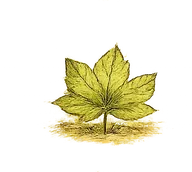
Typical of the family
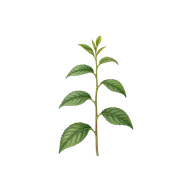


Characters marked “recorded” are for Lobiya itself; the rest are typical of the Fabaceae family.
Flower & fruit characters
- Flower colour
- PurplerecordedPurple or violet
- Fruit type
- LegumerecordedA dry pod that splits open along two seams (typical of the pea/bean family).“The black-eyed pea or black-eyed bean is a legume grown around the world for its medium-sized, edible bean.” — Wikipedia, CC BY-SA 4.0
Typical of the family
- Inflorescence
- Raceme
- Fruit
- Legume
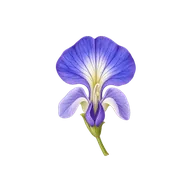
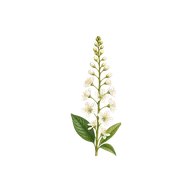
Characters marked “recorded” are for Lobiya itself; the rest are typical of the Fabaceae family — flowering plants only.
Lobiya in India
Cowpea, known as लोबिया Lobiya (Hindi), Kaattu ulundu (Tamil), Alasandalu (Telugu), Alasabde (Kannada), വൻപയർ (Malayalam), Alasunda (Marathi), is grown both as a dry pulse and a fresh vegetable bean. Vigna unguiculata is cultivated across Maharashtra, tolerating heat and poor soil well.
Uses
The dried seeds are cooked as a pulse (lobia curry), while the young pods of long-podded varieties are cooked fresh as a vegetable; the plant is also grown as fodder and a soil-improving cover crop.
How to Identify Lobiya
A trailing to semi-erect annual herb with trifoliate leaves. Flowers are pale yellow to violet, followed by long, slender pods that can reach considerable length in some varieties, ripening from green to yellow, brown or purplish depending on type.
Frequently Asked Questions
- What is Cow pea called in different Indian languages?
- लोबिया Lobiya (Hindi); Kaattu ulundu (Tamil); Alasandalu (Telugu); Alasabde (Kannada); വൻപയർ (Malayalam); Alasunda (Marathi); Ghangra (Bengali).
- Is lobia the same as black-eyed pea?
- Yes — black-eyed pea is one common variety of cowpea (Vigna unguiculata), named for the dark spot on its pale seed.
- Is lobia a bean or a pea?
- Botanically it's neither true bean (Phaseolus) nor true pea (Pisum) — cowpea belongs to its own genus, Vigna, though it's used and cooked much like other pulses.
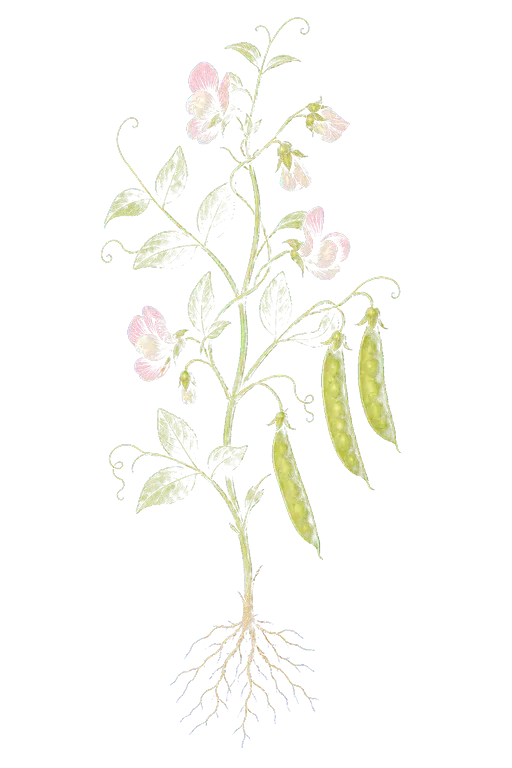
Fabaceae
Legume/Bean family
Lobiya belongs to the Fabaceae family.
The illustration represents the family — not necessarily this exact species.
Explore the Fabaceae familySnap it. Know it.
Point your camera at Lobiya or any plant and SASYA identifies it instantly — on-device, offline, and private.
Common plant problems
If you are starting from symptoms instead of a diagnosis, use the plant disease symptom checker to narrow the cause before treating.
All plant problem & care guidesMore in Fabaceae
View all FabaceaeSources: GBIF — Vigna unguiculata subsp. unguiculata (India distribution & vernacular names) (CC BY 4.0) · Wikipedia — Vigna unguiculata subsp. unguiculata (background/comprehension only) (CC BY-SA 4.0)