As recorded for Jagru
Desmodium velutinum
Jagru / Velvet-Leaf Desmodium मोतोई
Nepali name · See all regional names ↓
Also known as Villous Leaf Desmodium
- Habit
- Undershrub
- Found in India
- Assam, West Bengal, Uttarakhand & more
- Flowering
- September-June
Jagru in regional languages
Find the name you know, then compare it with the botanical profile. Columns list recorded aliases; they are not paired translations. A Latin spelling appears only when it is present in the source record.
| Language | Regional script | Recorded Latin spelling |
|---|---|---|
| Hindi | Not recorded | jagru, lagavang, lippa-pank |
| Malayalam | Not recorded | Orila |
| Nepali | मोतोई | Motoi |
| Sanskrit | Not recorded | Prasniparni |
| Tamil | Not recorded | Akilametaki, Amcapatayilai, ankachupati |
| Telugu | Not recorded | Chiva madu, Chimanduri |
See the original recorded names
- Hindi
- jagru, lagavang, lippa-pank
- Malayalam
- Orila
- Nepali
- मोतोई Motoi
- Sanskrit
- Prasniparni
- Tamil
- Akilametaki, Amcapatayilai, ankachupati
- Telugu
- Chiva madu, Chimanduri
Ecology & growing context
- Native status · Kew WCVP
- WCVP native range includes Andaman Is., Assam, India, West Himalaya Kew dataset ↗
Kew WCVP dataset; listed synonym of Polhillides velutina. Dataset matching is separate from an individual regional review. Recorded worldwide native range: Trop. & Subtrop. Old World.
- Recorded habitat
- Dry and moist deciduous forests, also in the plains
- Explore nearby plants
- Assam →West Bengal →Uttarakhand →
Occurrence records show where a plant has been recorded; they do not establish that it is native there. Compare local habitat and growing conditions when choosing plants for a garden.
How to identify Jagru
Identify Jagru by combining habit, leaf characters, flower or fruit details, location, and its family pattern. Do not rely on one feature alone.
- Look for a undershrub habit.
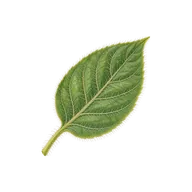
- Confirm leaf type: Trifoliate (three leaflets).
- Confirm leaf surface: Pubescent (softly hairy).
- Confirm flower colour: Purple.
- In season, compare flowering and fruiting time: September-June.
- In India, compare location records such as Assam, West Bengal, Uttarakhand, Bihar and nearby regions.
- Confirm it sits within the Fabaceae family pattern, then compare close relatives before deciding it is Jagru.
Plant Details
- Scientific name
- Desmodium velutinum
- Genus
- Desmodium
- Family
- Fabaceae
- Habit
- Undershrub
- Habitat
- Dry and moist deciduous forests, also in the plains
- Habitat type
- Forest
- Distribution
- India, Nepal, Bhutan, Africa, Sri Lanka, China, Thailand, Indo-China, Taiwan, Myanmar, Siam, Indonesia, Malaysia
- Found in India
- Assam, West Bengal, Uttarakhand, Bihar, Chhattisgarh, Himachal Pradesh, Jammu & Kashmir, Maharashtra
- Flowering & fruiting
- September-June
- Conservation status
- Not Evaluated (NE)
Leaf characters
- Leaf type
- Trifoliate (three leaflets)recorded
- Leaf surface
- Pubescent (softly hairy)recorded
Typical of the family
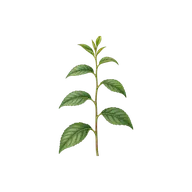
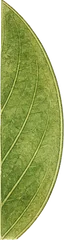
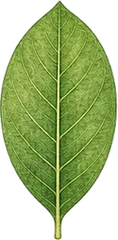
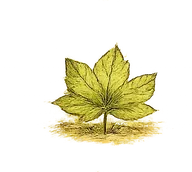
Characters marked “recorded” are for Jagru itself; the rest are typical of the Fabaceae family.
Flower & fruit characters
- Flower colour
- PurplerecordedPurple or violet
Typical of the family
- Inflorescence
- Raceme
- Fruit
- Legume

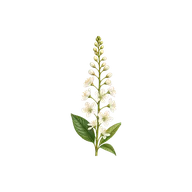
Characters marked “recorded” are for Jagru itself; the rest are typical of the Fabaceae family — flowering plants only.
About Jagru
Velvet-Leaf Desmodium (Desmodium velutinum) belongs to the Fabaceae family, where it grows as a low shrub. In India it has been recorded in Assam, West Bengal, Uttarakhand and 5 other states. It grows in dry and moist deciduous forests, also in the plains. Flowering and fruiting run from September to June.
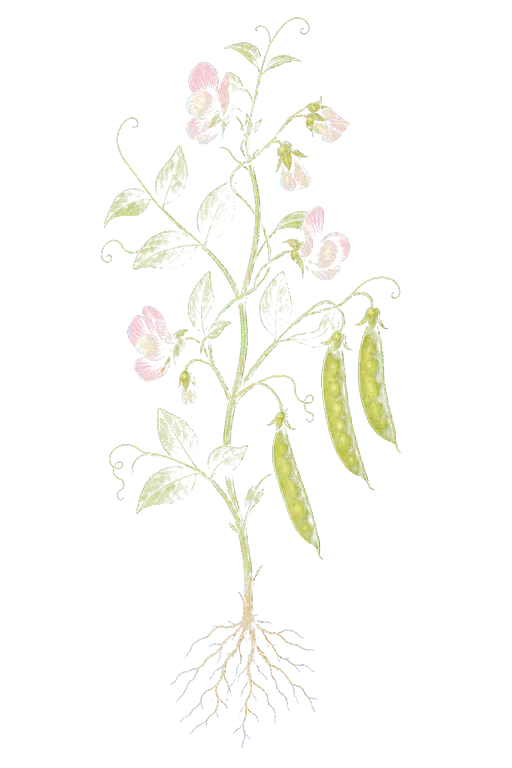
Fabaceae
Legume/Bean family
Jagru belongs to the Fabaceae family.
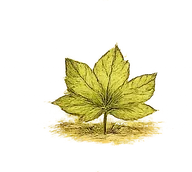
The illustration represents the family — not necessarily this exact species.
Explore the Fabaceae familySnap it. Know it.
Point your camera at Jagru or any plant and SASYA identifies it instantly — on-device, offline, and private.
Common plant problems
If you are starting from symptoms instead of a diagnosis, use the plant disease symptom checker to narrow the cause before treating.
All plant problem & care guides