
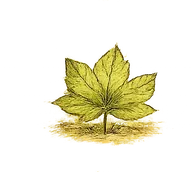
As recorded for Scotch Broom
Cytisus scoparius
Scotch Broom
- Habit
- Shrub
- Found in India
- Tamil Nadu, Himachal Pradesh, Kerala & more
- Flowering
- September-December
Ecology & growing context
- Native status · Kew WCVP
- WCVP records it as introduced in India, West Himalaya Kew dataset ↗
Kew WCVP dataset; accepted-name match. Dataset matching is separate from an individual regional review. Recorded worldwide native range: Europe.
- Recorded habitat
- Forest plantations and degraded forest areas
- Explore nearby plants
- Tamil Nadu →Himachal Pradesh →Kerala →
Occurrence records show where a plant has been recorded; they do not establish that it is native there. Compare local habitat and growing conditions when choosing plants for a garden.
How to identify Scotch Broom
Identify Scotch Broom by combining habit, leaf characters, flower or fruit details, location, and its family pattern. Do not rely on one feature alone.
- Look for a shrub habit.
- Check the distinctive field mark: Bright yellow flowers on green broom-like stems.
- Confirm leaf type: Trifoliate (three leaflets).
- Confirm leaf surface: Glabrous (smooth, hairless).
- Confirm flower colour: Yellow.
- Confirm fruit type: Legume.
- In season, compare flowering and fruiting time: September-December.
Plant Details
- Scientific name
- Cytisus scoparius
- Genus
- Cytisus
- Family
- Fabaceae
- Habit
- Shrub
- Habitat
- Forest plantations and degraded forest areas
- Habitat type
- Forest, Cultivated
- Native to
- Mediterranean regions
- Found in India
- Tamil Nadu, Himachal Pradesh, Kerala, Uttarakhand
- Flowering & fruiting
- September-December
Leaf characters
- Leaf type
- Trifoliate (three leaflets)recorded
- Leaf surface
- Glabrous (smooth, hairless)recorded
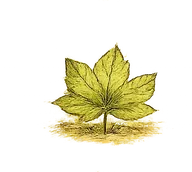
Typical of the family
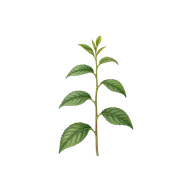
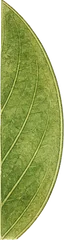
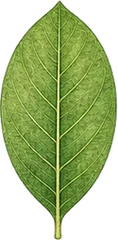
Characters marked “recorded” are for Scotch Broom itself; the rest are typical of the Fabaceae family.
Flower & fruit characters
- Flower colour
- Yellowrecorded
- Fruit type
- LegumerecordedA dry pod that splits open along two seams (typical of the pea/bean family).“As a legume, this shrub can fix nitrogen in the soil through a symbiotic relationship with Rhizobium bacteria.” — Wikipedia, CC BY-SA 4.0
Typical of the family
- Inflorescence
- Raceme
- Fruit
- Legume
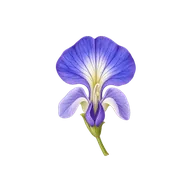
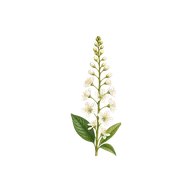
Characters marked “recorded” are for Scotch Broom itself; the rest are typical of the Fabaceae family — flowering plants only.
About Scotch Broom
A member of the Fabaceae family, Scotch Broom (Cytisus scoparius) is a shrub. In India it has been recorded in Tamil Nadu, Himachal Pradesh, Kerala and 1 other states. It grows in forest plantations and degraded forest areas. Flowering and fruiting run from September to December.
Uses
In practice it is long used in traditional medicine, planted as an ornamental and harvested for fodder. Those medicinal uses are traditional attributions, not medical advice. Parts of this plant are reported as poisonous — treat it as unsafe to eat and wash your hands after handling.
In culture
It turns up in ritual and festival use and is used as an official or regional emblem.
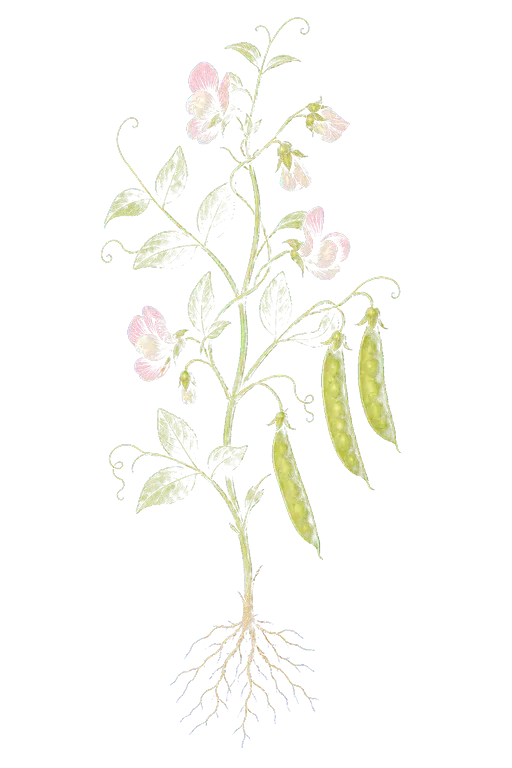
Fabaceae
Legume/Bean family
Scotch Broom belongs to the Fabaceae family.
The illustration represents the family — not necessarily this exact species.
Explore the Fabaceae familySnap it. Know it.
Point your camera at Scotch Broom or any plant and SASYA identifies it instantly — on-device, offline, and private.
Common plant problems
If you are starting from symptoms instead of a diagnosis, use the plant disease symptom checker to narrow the cause before treating.
All plant problem & care guides