

Lablab purpureus
Sem / Hyacinth Bean
Also known as Lablab Bean, Bonavist Bean, Indian Butter Bean
- Habit
- Climber
- Found in India
- Maharashtra, Tamil Nadu, Karnataka & more
- Flowering
- October-February
Sem in regional languages
Find the name you know, then compare it with the botanical profile. Columns list recorded aliases; they are not paired translations. A Latin spelling appears only when it is present in the source record.
| Language | Regional script | Recorded Latin spelling |
|---|---|---|
| Hindi | सेम | Bhatvas, Shimi, Sem |
| Nepali | राज सिमी · टाटे सिमी · सिमी | Raaj Simee, Taate Simee, Simee |
| Bengali | শিম | Rajashimbi |
| Tamil | அவரை | Avarai, Motchai |
| Telugu | బొబ్బరలు | Chikkudu, Adavichikkudu, Alsanda |
| Kannada | Not recorded | capparada-avare, avare, avare baele |
| Malayalam | അമര | Amara, Avara |
| Marathi | Not recorded | Anvare, Kadavebaala, pandhre pavate |
See the original recorded names
- Hindi
- Bhatvas, Shimi, सेम Sem
- Nepali
- राज सिमी Raaj Simee, टाटे सिमी Taate Simee, सिमी Simee
- Bengali
- Rajashimbi, শিম
- Tamil
- அவரை Avarai, Motchai, அவரை
- Telugu
- Chikkudu, Adavichikkudu, Alsanda, బొబ్బరలు
- Kannada
- capparada-avare, avare, avare baele
- Malayalam
- Amara, Avara, അമര
- Marathi
- Anvare, Kadavebaala, pandhre pavate
Toxicity & contact hazards
What the sources report, with their scope intact. A missing rating stays unknown; a non-toxic listing doesn’t rule out irritation, injury or other hazards.
Reported toxicity
Seeds toxic only if large quantities are eaten.
Reported toxic principle: Cyanogenic glycoside
Signs listed by the source: Weakness, vomiting, laboured breathing, twitching, convulsions from mature dried seeds
Ecology & growing context
- Native status · Kew WCVP
- WCVP native range includes India Kew dataset ↗
Kew WCVP dataset; accepted-name match. Dataset matching is separate from an individual regional review. Recorded worldwide native range: Cape Verde, Trop. & S. Africa, Madagascar, India.
- Explore nearby plants
- Maharashtra →Tamil Nadu →Karnataka →
Occurrence records show where a plant has been recorded; they do not establish that it is native there. Compare local habitat and growing conditions when choosing plants for a garden.
How to identify Sem
Identify Sem by combining habit, leaf characters, flower or fruit details, location, and its family pattern. Do not rely on one feature alone.
- Look for a climber habit.
- Check the distinctive field mark: Cultivated edible bean with flattened purple-green pods (hyacinth bean).
- Confirm leaf type: Trifoliate (three leaflets).
- Confirm leaf surface: Glabrous (smooth, hairless).
- Confirm flower colour: Purple.
- Confirm flower arrangement: Raceme.
- In season, compare flowering and fruiting time: October-February.
Plant Details
- Scientific name
- Lablab purpureus
- Genus
- Lablab
- Family
- Fabaceae
- Habit
- Climber
- Distribution
- Tropics of the World
- Found in India
- Maharashtra, Tamil Nadu, Karnataka, Gujarat, Kerala, Rajasthan, Assam, Uttar Pradesh, Telangana, Andhra Pradesh, Himachal Pradesh, Madhya Pradesh, Punjab, West Bengal, Odisha, Arunachal Pradesh, Chhattisgarh, Manipur, Nagaland, Puducherry, Uttarakhand
- Flowering & fruiting
- October-February
- Conservation status
- Not Evaluated (NE)
Leaf characters
- Leaf type
- Trifoliate (three leaflets)recorded
- Leaf surface
- Glabrous (smooth, hairless)recorded
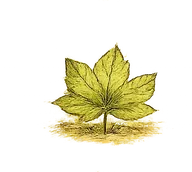
Typical of the family
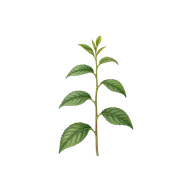


Characters marked “recorded” are for Sem itself; the rest are typical of the Fabaceae family.
Flower & fruit characters
- Flower colour
- PurplerecordedPurple or violet
- Flower arrangement
- RacemerecordedIndividual stalked flowers arranged along a central stem, opening from bottom to top.“The inflorescence is made up of racemes of many flowers.” — Wikipedia, CC BY-SA 4.0
- Fruit type
- LegumerecordedA dry pod that splits open along two seams (typical of the pea/bean family).“The fruit is a legume pod variable in shape, size, and color.” — Wikipedia, CC BY-SA 4.0
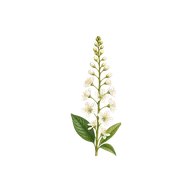
Typical of the family
- Inflorescence
- Raceme
- Fruit
- Legume
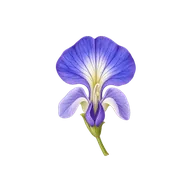
Characters marked “recorded” are for Sem itself; the rest are typical of the Fabaceae family — flowering plants only.
Sem in India
Hyacinth bean, known as Bhatvas (Hindi), அவரை Avarai (Tamil), Chikkudu (Telugu), capparada-avare (Kannada), Amara (Malayalam), Anvare (Marathi), is a widely grown bean crop and ornamental climber. Lablab purpureus is cultivated across Maharashtra, Tamil Nadu, Karnataka, Gujarat, Kerala, Rajasthan, often trained up fences or trellises.
Uses
The young flat pods are cooked as a vegetable (sem ki sabzi), and the mature dried seeds are also cooked as a pulse once soaked — both common in North and East Indian kitchens.
How to Identify Sem
A vigorous twining perennial vine, usually grown as an annual, with broad trifoliate leaves. Flowers are pea-shaped, white to purple, carried on upright stalks above the foliage, followed by broad, flattened pods that are often tinged deep purple, though green-podded varieties are also common.
Frequently Asked Questions
- What is Hyacinth Bean called in different Indian languages?
- Bhatvas (Hindi); அவரை Avarai (Tamil); Chikkudu (Telugu); capparada-avare (Kannada); Amara (Malayalam); Anvare (Marathi); Rajashimbi (Bengali).
- Is sem the same as hyacinth bean?
- Yes — sem is the Hindi name for Lablab purpureus, called hyacinth bean or lablab bean in English.
- Are the purple pods a different variety from the green ones?
- Yes — pod colour varies by cultivar; both purple- and green-podded types are the same species and are cooked the same way.
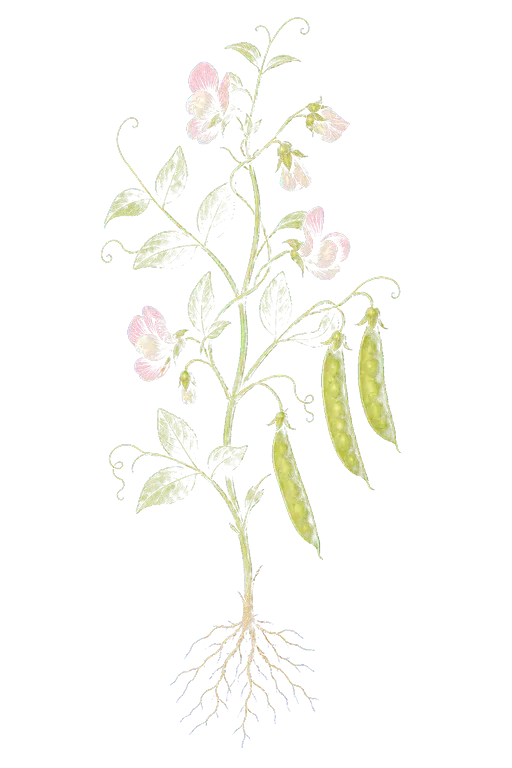
Fabaceae
Legume/Bean family
Sem belongs to the Fabaceae family.
The illustration represents the family — not necessarily this exact species.
Explore the Fabaceae familySnap it. Know it.
Point your camera at Sem or any plant and SASYA identifies it instantly — on-device, offline, and private.
Common plant problems
If you are starting from symptoms instead of a diagnosis, use the plant disease symptom checker to narrow the cause before treating.
All plant problem & care guidesMore in Fabaceae
View all FabaceaeSources: GBIF — Lablab purpureus (India distribution & vernacular names) (CC BY 4.0) · Wikipedia — Lablab purpureus (background/comprehension only) (CC BY-SA 4.0)