
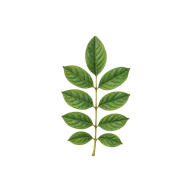
As recorded for Neel
Indigofera tinctoria
Neel / Common Indigo नील
Hindi name · See all regional names ↓
Also known as Madras Indigo, Bengal Indigo, Black Henna, Dyers Indigo, East Asian Indigo Plant, Wild Indigo
- Habit
- Undershrub
- Found in India
- Rajasthan, West Bengal, Maharashtra & more
- Flowering
- August-January
Neel in regional languages
Find the name you know, then compare it with the botanical profile. Columns list recorded aliases; they are not paired translations. A Latin spelling appears only when it is present in the source record.
| Language | Regional script | Recorded Latin spelling |
|---|---|---|
| Hindi | नील · नीलिका | neel, nilika, nil |
| Bengali | নীল | neel |
| Tamil | அவுரி · நீலி | avuri, nili |
| Telugu | అవిరి · నీలిచెట్టు | aviri, nilichettu |
| Kannada | ಅಂಜೂರ ನೀಲಿ · ಹೆಣ್ಣು ನೀಲಿ · ನೀಲಿ ಗಿಡ | anjoora neeli, hennu neeli, neeli gida |
| Malayalam | അമരി · നീലയമരി | amari, nilayamari |
| Marathi | नीळ · नीली | neel, nili |
See the original recorded names
- Hindi
- नील neel, नीलिका nilika,नील nil
- Bengali
- নীল neel, নীল
- Tamil
- அவுரி avuri, நீலி nili, அவுரி
- Telugu
- అవిరి aviri, నీలిచెట్టు nilichettu
- Kannada
- ಅಂಜೂರ ನೀಲಿ anjoora neeli, ಹೆಣ್ಣು ನೀಲಿ hennu neeli, ನೀಲಿ ಗಿಡ neeli gida
- Malayalam
- അമരി amari, നീലയമരി nilayamari, നീലയമരി
- Marathi
- नीळ neel, नीली nili
Ecology & growing context
- Native status · Kew WCVP
- WCVP native range includes Assam, India, Laccadive Is., Nicobar Is., West Himalaya Kew dataset ↗
Kew WCVP dataset; accepted-name match. Dataset matching is separate from an individual regional review. Recorded worldwide native range: W. Trop. Africa, Tanzania to S. Africa, Indian Subcontinent to Indo-China.
- Recorded habitat
- Degraded forest areas and waste places
- Explore nearby plants
- Rajasthan →West Bengal →Maharashtra →
Occurrence records show where a plant has been recorded; they do not establish that it is native there. Compare local habitat and growing conditions when choosing plants for a garden.
How to identify Neel
Identify Neel by combining habit, leaf characters, flower or fruit details, location, and its family pattern. Do not rely on one feature alone.
- Look for a undershrub habit.
- Check the distinctive field mark: Historic source of natural indigo dye.
- Confirm leaf type: Pinnately compound (leaflets in rows along a stalk).
- Confirm leaf surface: Pubescent (softly hairy).
- Confirm flower colour: Purple.
- In season, compare flowering and fruiting time: August-January.
- In India, compare location records such as Rajasthan, West Bengal, Maharashtra, Karnataka and nearby regions.
Plant Details
- Scientific name
- Indigofera tinctoria
- Genus
- Indigofera
- Family
- Fabaceae
- Habit
- Undershrub
- Habitat
- Degraded forest areas and waste places
- Distribution
- Pantropical
- Found in India
- Rajasthan, West Bengal, Maharashtra, Karnataka, Gujarat, Tamil Nadu, Telangana, Andhra Pradesh, Kerala, Uttar Pradesh, Arunachal Pradesh, Chhattisgarh, Himachal Pradesh, Jammu & Kashmir, Madhya Pradesh, Manipur, Puducherry, Punjab, Uttarakhand
- Flowering & fruiting
- August-January
- Conservation status
- Not Evaluated (NE)
Leaf characters
- Leaf type
- Pinnately compound (leaflets in rows along a stalk)recorded
- Leaf surface
- Pubescent (softly hairy)recorded
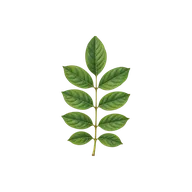
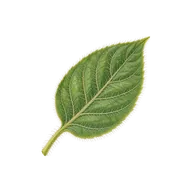
Typical of the family
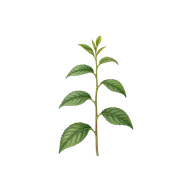
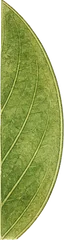
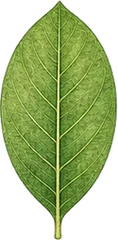
Characters marked “recorded” are for Neel itself; the rest are typical of the Fabaceae family.
Flower & fruit characters
- Flower colour
- PurplerecordedPurple or violet
Typical of the family
- Inflorescence
- Raceme
- Fruit
- Legume
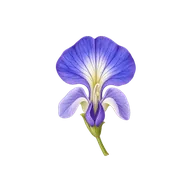
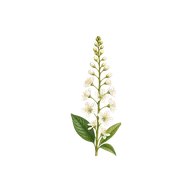
Characters marked “recorded” are for Neel itself; the rest are typical of the Fabaceae family — flowering plants only.
Neel in India
This shrub, known as नील neel (Hindi), அவுரி avuri (Tamil), అవిరి aviri (Telugu), ಅಂಜೂರ ನೀಲಿ anjoora neeli (Kannada), അമരി amari (Malayalam), नीळ neel (Marathi), was historically one of India's most important dye crops. Indigofera tinctoria is found across West Bengal, Maharashtra, Rajasthan, Karnataka, Gujarat, Tamil Nadu, both cultivated and growing wild.
Uses
Its leaves are fermented and processed to extract the deep blue dye indigo, historically a major export crop and still used today by artisanal and small-scale natural dye producers.
How to Identify Neel
A shrubby herb with pinnate leaves made of several small oval leaflets. Small pink to reddish pea-like flowers cluster along upright spikes, followed by slender, slightly curved pods — the leaves turn a characteristic blue-green when bruised or crushed, a useful field clue.
Frequently Asked Questions
- What is Common indigo called in different Indian languages?
- नील neel (Hindi); அவுரி avuri (Tamil); అవిరి aviri (Telugu); ಅಂಜೂರ ನೀಲಿ anjoora neeli (Kannada); അമരി amari (Malayalam); नीळ neel (Marathi); নীল neel (Bengali).
- Is 'indigo' the colour named after this plant?
- Yes — the colour indigo takes its name from the dye historically extracted from Indigofera tinctoria and related species.
- Is natural indigo dye still made from this plant?
- Yes, on a smaller artisanal scale — most commercial indigo dye today is synthetic, but natural indigo processing from Indigofera leaves continues in traditional and craft dyeing.
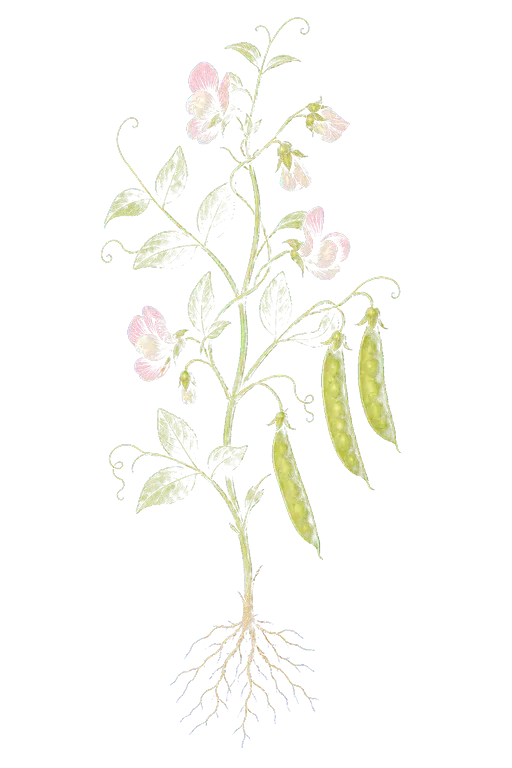
Fabaceae
Legume/Bean family
Neel belongs to the Fabaceae family.
The illustration represents the family — not necessarily this exact species.
Explore the Fabaceae familySnap it. Know it.
Point your camera at Neel or any plant and SASYA identifies it instantly — on-device, offline, and private.
Common plant problems
If you are starting from symptoms instead of a diagnosis, use the plant disease symptom checker to narrow the cause before treating.
All plant problem & care guidesMore in Fabaceae
View all FabaceaeSources: GBIF — Indigofera tinctoria (India distribution & vernacular names) (CC BY 4.0) · Wikipedia — Indigofera tinctoria (background/comprehension only) (CC BY-SA 4.0)