

Vigna radiata
Mung / Green Gram
Also known as Golden Gram
- Habit
- Herb
- Found in India
- Uttar Pradesh, Maharashtra, Odisha & more
- Flowering
- May-December
Mung in regional languages
Find the name you know, then compare it with the botanical profile. Columns list recorded aliases; they are not paired translations. A Latin spelling appears only when it is present in the source record.
| Language | Regional script | Recorded Latin spelling |
|---|---|---|
| Hindi | मूँग | Moong, Mung, mung |
| Nepali | मुगी | Not recorded |
| Bengali | মুগ · মুঙ্গ্ | Ghora Mung |
| Tamil | பாசிப் பயறு · பயறு · பாசிப் பருப்பு | Paasi payaru |
| Telugu | పెసలు · పెసర · పెసర పప్పు | Not recorded |
| Kannada | ಹೆಸರು ಕಾಳು · ಹೆಸರು ಬೇಳೆ | Not recorded |
| Malayalam | ചെറുപയർ | Mung bean |
| Marathi | मूग · मुग | Moog |
| Sinhala | මුං | Not recorded |
See the original recorded names
- Hindi
- मूँग Moong, Mung,मूँग mung
- Nepali
- मुगी
- Bengali
- Ghora Mung, মুগ, মুঙ্গ্
- Tamil
- பாசிப் பயறு Paasi payaru, பயறு, பாசிப் பருப்பு
- Telugu
- పెసలు, పెసర, పెసర పప్పు
- Kannada
- ಹೆಸರು ಕಾಳು, ಹೆಸರು ಬೇಳೆ
- Malayalam
- ചെറുപയർ, Mung bean
- Marathi
- मूग Moog, मूग, मुग
- Sinhala
- මුං
Ecology & growing context
- Native status · Kew WCVP
- WCVP native range includes Assam, India, West Himalaya Kew dataset ↗
Kew WCVP dataset; accepted-name match. Dataset matching is separate from an individual regional review. Recorded worldwide native range: Arabian Pen., Taiwan to Trop. Asia and N. & E. Australia.
- Explore nearby plants
- Uttar Pradesh →Maharashtra →Odisha →
Occurrence records show where a plant has been recorded; they do not establish that it is native there. Compare local habitat and growing conditions when choosing plants for a garden.
How to identify Mung
Identify Mung by combining habit, leaf characters, flower or fruit details, location, and its family pattern. Do not rely on one feature alone.
- Look for a herb habit.
- Check the distinctive field mark: Cultivated pulse crop (mung/green gram).
- Confirm leaf type: Trifoliate (three leaflets).
- Confirm leaf surface: Glabrous (smooth, hairless).
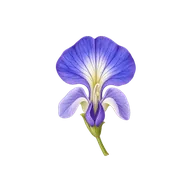
- Confirm flower colour: Purple.
- In season, compare flowering and fruiting time: May-December.
- In India, compare location records such as Uttar Pradesh, Maharashtra, Odisha, Bihar and nearby regions.
Plant Details
Leaf characters
- Leaf type
- Trifoliate (three leaflets)recorded
- Leaf surface
- Glabrous (smooth, hairless)recorded
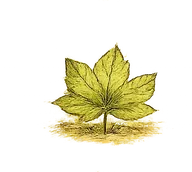
Typical of the family
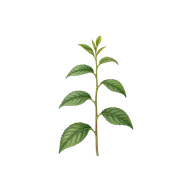
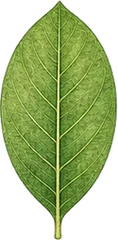
Characters marked “recorded” are for Mung itself; the rest are typical of the Fabaceae family.
Flower & fruit characters
- Flower colour
- PurplerecordedPurple or violet
Typical of the family
- Inflorescence
- Raceme
- Fruit
- Legume
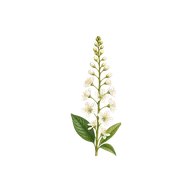
Characters marked “recorded” are for Mung itself; the rest are typical of the Fabaceae family — flowering plants only.
Mung in India
Green gram, known as मूँग Moong (Hindi), பாசிப் பயறு Paasi payaru (Tamil), పెసలు (Telugu), ಹೆಸರು ಕಾಳು (Kannada), ചെറുപയർ (Malayalam), मूग Moog (Marathi), is one of India's most widely eaten pulses. Vigna radiata is grown across New delhi, Pusa, Bihar., Uttar Pradesh, Maharashtra, Orissa, Bihar as a short-duration summer or monsoon crop.
Uses
The small green seeds are cooked whole or split (moong dal), ground into batter for dosas and pancakes, and germinated into bean sprouts for salads — one of the few pulses commonly eaten sprouted.
How to Identify Mung
An erect or slightly twining annual herb with trifoliate leaves on long stalks. Small yellow, pea-like flowers are followed by narrow, cylindrical, hairy pods that stand upright from the stem in clusters, turning from green to brown-black at maturity.
Frequently Asked Questions
- What is Green Gram called in different Indian languages?
- मूँग Moong (Hindi); பாசிப் பயறு Paasi payaru (Tamil); పెసలు (Telugu); ಹೆಸರು ಕಾಳು (Kannada); ചെറുപയർ (Malayalam); मूग Moog (Marathi); Ghora Mung (Bengali).
- Is moong the same as mung bean?
- Yes — 'mung' is simply the English spelling of the same Hindi word for Vigna radiata.
- Why are moong sprouts so common in salads?
- The seeds germinate quickly and reliably at home, and the resulting sprouts add crunch and protein without cooking.
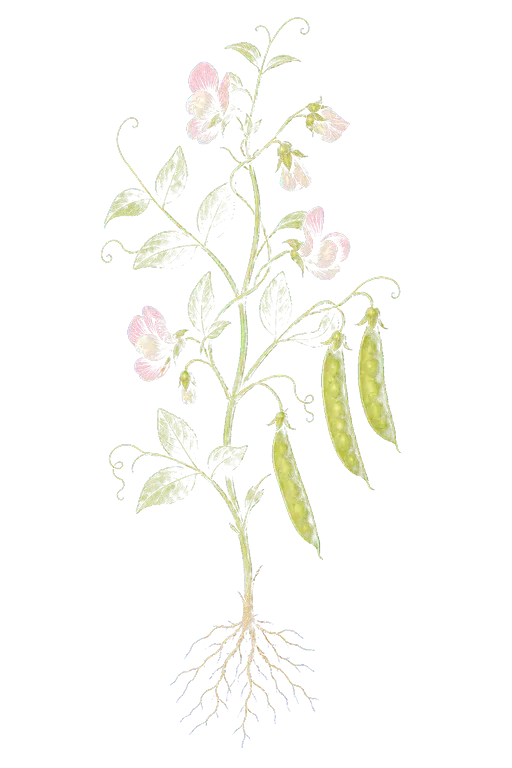
Fabaceae
Legume/Bean family
Mung belongs to the Fabaceae family.
The illustration represents the family — not necessarily this exact species.
Explore the Fabaceae familySnap it. Know it.
Point your camera at Mung or any plant and SASYA identifies it instantly — on-device, offline, and private.
Common plant problems
If you are starting from symptoms instead of a diagnosis, use the plant disease symptom checker to narrow the cause before treating.
All plant problem & care guidesMore in Fabaceae
View all FabaceaeSources: GBIF — Vigna radiata (India distribution & vernacular names) (CC BY 4.0) · Wikipedia — Vigna radiata (background/comprehension only) (CC BY-SA 4.0)