
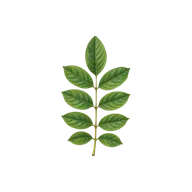
As recorded for Vijayasara
Pterocarpus marsupium
Vijayasara / Indian Kino Tree विजयसार
Hindi name · See all regional names ↓
Also known as Malabara Kino Tree, Almug, Saunderswood, Bastard Teak, East Indian Kino, Gammalu, Kino
- Habit
- Tree
- Found in India
- Karnataka, Tamil Nadu, Maharashtra & more
- Flowering
- March-November
Vijayasara in regional languages
Find the name you know, then compare it with the botanical profile. Columns list recorded aliases; they are not paired translations. A Latin spelling appears only when it is present in the source record.
| Language | Regional script | Recorded Latin spelling |
|---|---|---|
| Hindi | विजयसार · बीज पत्ता | Vijayasara, Beeja patta, Bijasal, vijayasar |
| Nepali | बिजय साल | Bijaya Saal |
| Tamil | வேங்கை | Vengai, Accamai, Accanapann |
| Telugu | Not recorded | Aine, Asana, Beddagi |
| Kannada | ಹೊನ್ನೆ · ಬೆಂಗೆ · ಬಿಂಗೆ | Honne, Benge, Binge |
| Malayalam | Not recorded | Venga, Honne, Karintakara |
| Marathi | बिबला | Asaaha, Asan, Asana |
See the original recorded names
- Hindi
- विजयसार Vijayasara, बीज पत्ता Beeja patta, Bijasal,विजयसार vijayasar
- Nepali
- बिजय साल Bijaya Saal
- Tamil
- Vengai, Accamai, Accanapann, வேங்கை
- Telugu
- Aine, Asana, Beddagi
- Kannada
- ಹೊನ್ನೆ Honne, ಬೆಂಗೆ Benge, ಬಿಂಗೆ Binge
- Malayalam
- Venga, Honne, Karintakara
- Marathi
- Asaaha, Asan, Asana, बिबला
Ecology & growing context
- Native status · Kew WCVP
- WCVP native range includes India Kew dataset ↗
Kew WCVP dataset; accepted-name match. Dataset matching is separate from an individual regional review. Recorded worldwide native range: Indian Subcontinent.
- Recorded habitat
- Deciduous forests, also in the plains
- Explore nearby plants
- Karnataka →Tamil Nadu →Maharashtra →
Occurrence records show where a plant has been recorded; they do not establish that it is native there. Compare local habitat and growing conditions when choosing plants for a garden.
How to identify Vijayasara
Identify Vijayasara by combining habit, leaf characters, flower or fruit details, location, and its family pattern. Do not rely on one feature alone.
- Look for a tree habit.
- Check the distinctive field mark: Bark exudes red kino resin dye.
- Confirm leaf type: Pinnately compound (leaflets in rows along a stalk).
- Confirm leaf surface: Glabrous (smooth, hairless).
- Confirm flower colour: Yellow.
- In season, compare flowering and fruiting time: March-November.
- In India, compare location records such as Karnataka, Tamil Nadu, Maharashtra, Rajasthan and nearby regions.
Plant Details
- Scientific name
- Pterocarpus marsupium
- Genus
- Pterocarpus
- Family
- Fabaceae
- Habit
- Tree
- Habitat
- Deciduous forests, also in the plains
- Habitat type
- Forest
- Native to
- India, Sri Lanka
- Distribution
- India, Sri Lanka
- Found in India
- Karnataka, Tamil Nadu, Maharashtra, Rajasthan, Telangana, Kerala, Madhya Pradesh, West Bengal, Andhra Pradesh, Bihar, Gujarat, Odisha, Himachal Pradesh, Puducherry, Punjab, Uttar Pradesh, Uttarakhand
- Flowering & fruiting
- March-November
- Conservation status
- Vulnerable (VU)
Leaf characters
- Leaf type
- Pinnately compound (leaflets in rows along a stalk)recorded
- Leaf surface
- Glabrous (smooth, hairless)recorded
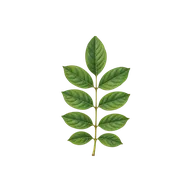
Typical of the family
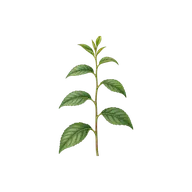
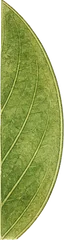
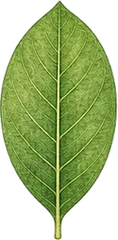
Characters marked “recorded” are for Vijayasara itself; the rest are typical of the Fabaceae family.
Flower & fruit characters
- Flower colour
- Yellowrecorded
Typical of the family
- Inflorescence
- Raceme
- Fruit
- Legume

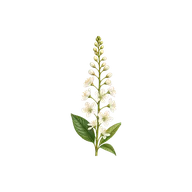
Characters marked “recorded” are for Vijayasara itself; the rest are typical of the Fabaceae family — flowering plants only.
Vijayasara in India
This deciduous tree, known as विजयसार Vijayasara (Hindi), Vengai (Tamil), Aine (Telugu), ಹೊನ್ನೆ Honne (Kannada), Venga (Malayalam), Asaaha (Marathi), is valued for both its resin and its timber. Pterocarpus marsupium is found across Karnataka, Tamil Nadu, Maharashtra, Rajasthan, Kerala, Madhya Pradesh, typically in dry deciduous forest.
Uses
A dark red resin (kino gum) that oozes from cuts in the bark has a long history of traditional Ayurvedic use — an attributed traditional use, not a medical claim — and the tree's strong, durable heartwood has been used for furniture and construction.
How to Identify Vijayasara
A large deciduous tree with compound leaves made of several oval leaflets. Clusters of small yellow, fragrant pea-like flowers appear before or with the new leaves, followed by flat, round, winged pods that each carry a single seed.
Frequently Asked Questions
- What is Indian Kino Tree called in different Indian languages?
- विजयसार Vijayasara (Hindi); Vengai (Tamil); Aine (Telugu); ಹೊನ್ನೆ Honne (Kannada); Venga (Malayalam); Asaaha (Marathi).
- What is kino gum?
- It's the dark red resin that oozes from cuts in the bark of Pterocarpus marsupium, with a long history of traditional use.
- Is bijasal related to rosewood?
- Yes — it belongs to the same genus (Pterocarpus) as several rosewoods, and shares their generally hard, durable timber.
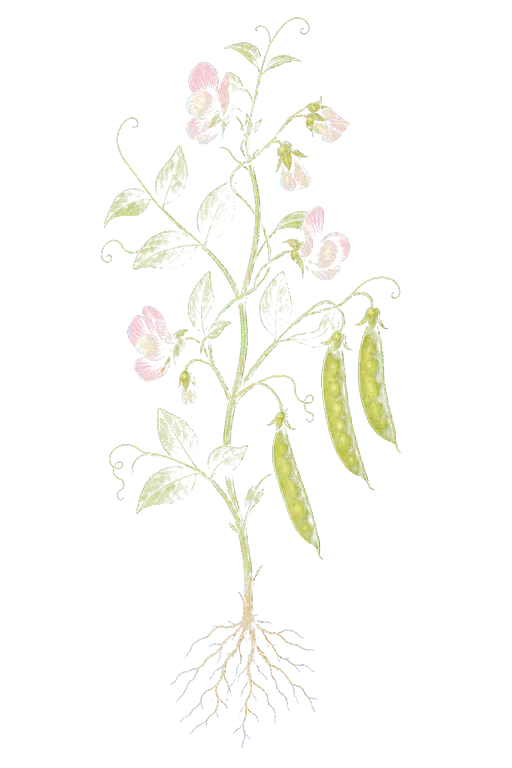
Fabaceae
Legume/Bean family
Vijayasara belongs to the Fabaceae family.
The illustration represents the family — not necessarily this exact species.
Explore the Fabaceae familySnap it. Know it.
Point your camera at Vijayasara or any plant and SASYA identifies it instantly — on-device, offline, and private.
Common plant problems
If you are starting from symptoms instead of a diagnosis, use the plant disease symptom checker to narrow the cause before treating.
All plant problem & care guidesMore in Fabaceae
View all FabaceaeSources: GBIF — Pterocarpus marsupium (India distribution & vernacular names) (CC BY 4.0) · Wikipedia — Pterocarpus marsupium (background/comprehension only) (CC BY-SA 4.0)