An insect-eating sundew. A balsam tucked into a rocky crevice. An orchid in the grass. We walk past a silent chemical landscape every day. Get to know the raw mechanics of wild plants native to Indian regions, and follow their stories back to the source.
A botanical study / SASYAHow to read the data
The forensic checklist.
A local name gets you to the gate. The structural evidence gets you inside. Here is how we parse the flora without watering down the science.
01 / Recognise
Begin with a name. Move past the surface.
Compare leaves, flowers and the full botanical profile. A colloquial regional name is a great starting point, but different plants can share one. Audit the physical, visible clues to see who you’re standing next to.
A plant recorded across a broad state isn’t automatically native to your particular landscape. Read the stated range and its original source before choosing what to grow. A familiar face isn’t always a local anchor.
Keep your digital observations and private device photography. Leave wild plants, roots and flowers where you find them. To bring the wild side into your yard or balcony, take the data to a local nursery and ask where its plants come from.
The directory has origin information for 3,744 plant records, drawn from Kew’s World Checklist of Vascular Plants (WCVP) and individual reviews. Each profile names its source and distinguishes a dataset match from an individually reviewed range. A native range in India does not establish suitability for every local landscape.
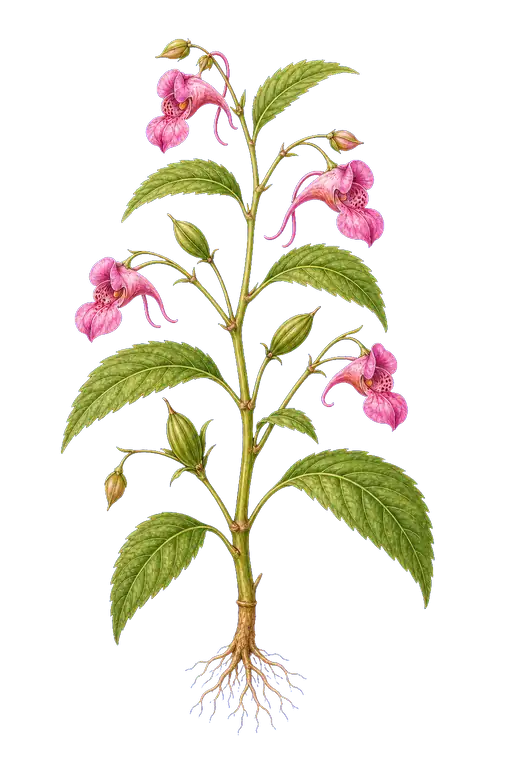
9 plants. A closer look. These selected field notes pair individually reviewed native ranges with stories about how the plants live. Start here, then keep following the roots through the wider catalogue.
An insect-eating plant of wet ground and watersides. A completely different kind of aggressive green to get curious about. It doesn’t just grow; it hunts. Admire its evolutionary grit, but respect its boundaries.
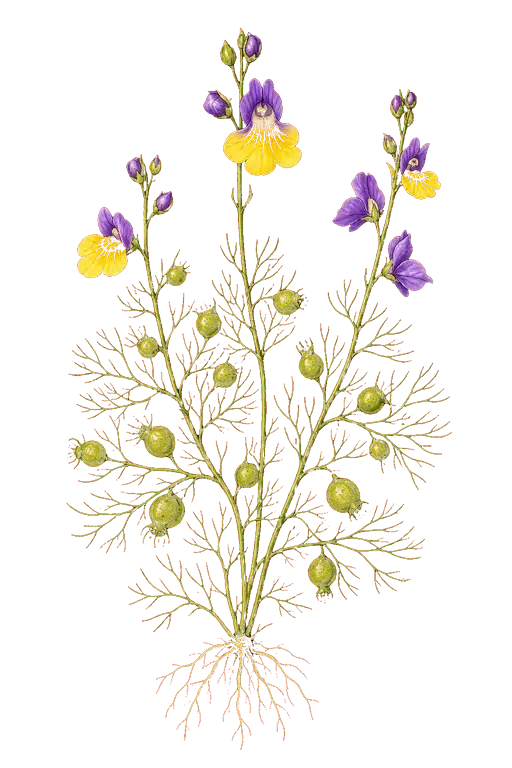
A terrestrial bladderwort recorded in paddy fields, ponds and marshy places, with slender leaves and tiny rounded traps. There’s more going on here than its flowers let on.
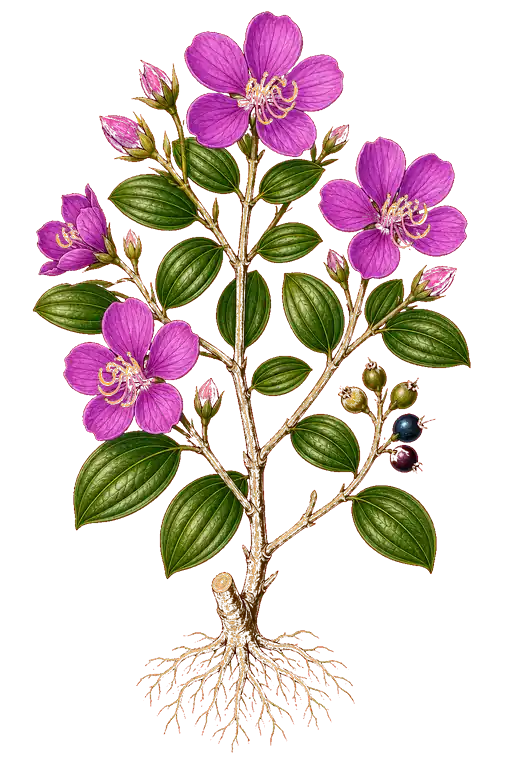
Three strong veins, hairy leaves and purple-pink flowers. This shrub is recorded in evergreen forests and grasslands, including the plains. A whole field note hiding in a rough little leaf.
Recorded in hill ravines above 1,400 metres and in moist-forest undergrowth. IISc describes this shrub as flowering every year. A steady rhythm of its own.
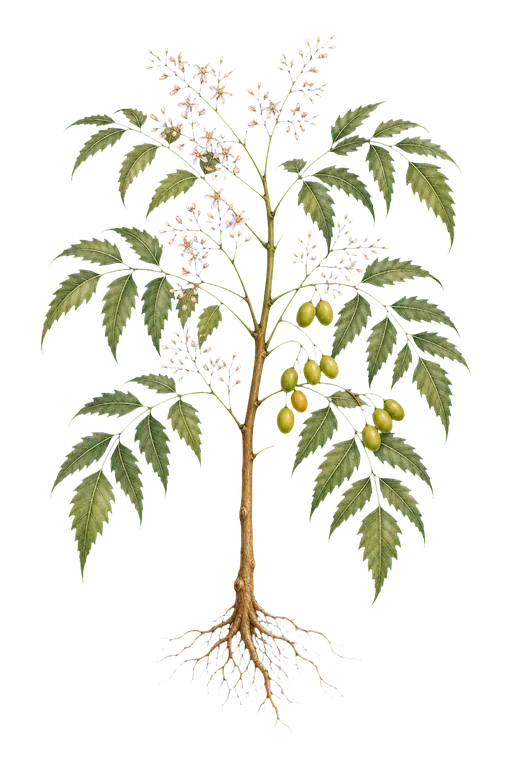
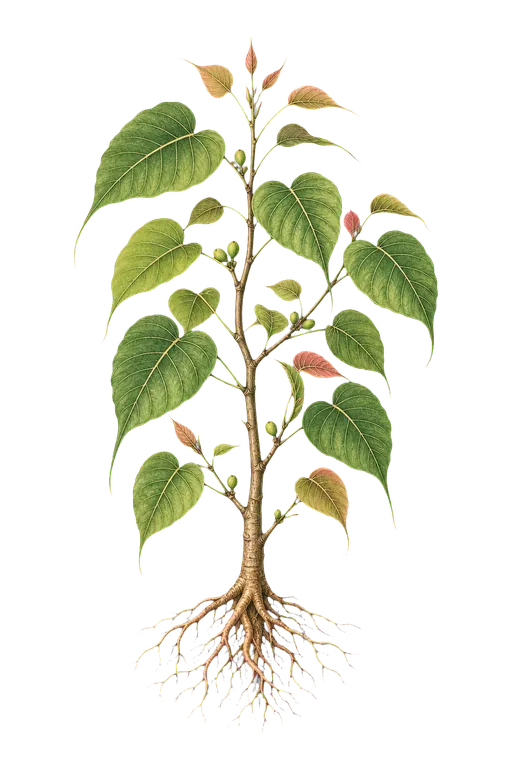
A familiar roadside tree with a life beyond the avenue: IISc also records it in dry deciduous forests, gardens and around places of worship. Get curious about the tree behind the name.
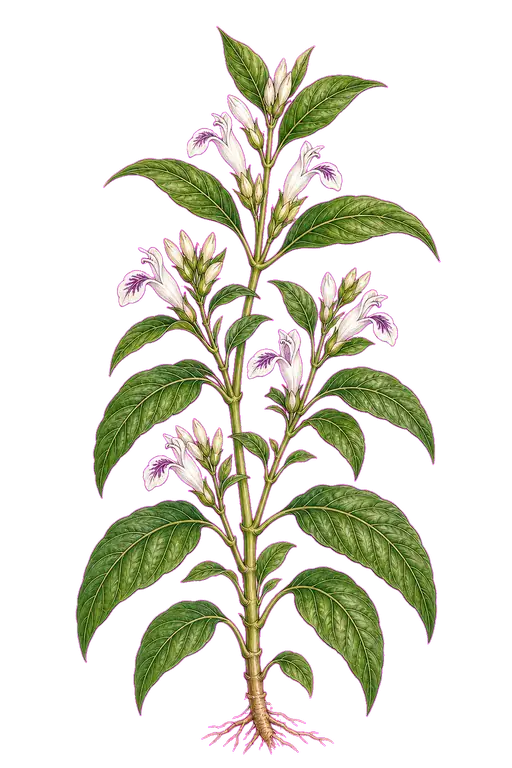
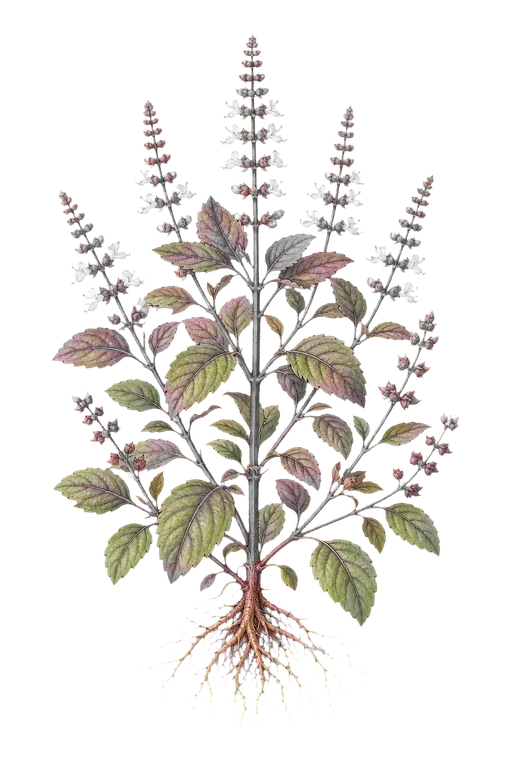
Often grown near homes and places of worship, this familiar undershrub also appears in scrub and deciduous forests. Follow the familiar name back out into the wild.