
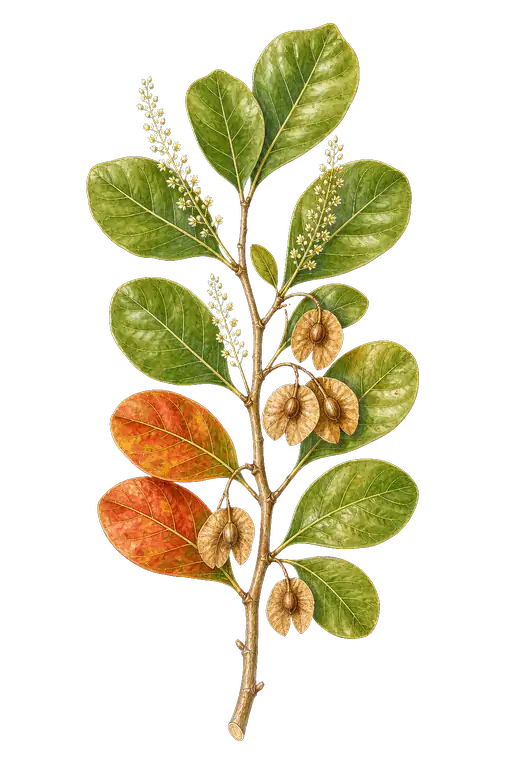
Combretaceae family
Indian almond family
26 catalogue species · Order Myrtales
Trees, shrubs and lianas often in tropical forests. Includes Indian almond (Terminalia catappa), arjun tree, and crepe myrtle relatives.
Explore the species roster ↓Field identification keys
Compare several features together. These are typical family patterns; individual species can vary. Observe without tasting or handling unfamiliar plants.
- Stem cross-section
- Round
- Leaf type
- Simple
- Flower symmetry
- Actinomorphic
- Fruit
- Drupe
- Distinctive marker
- No true petals — a tubular calyx substitutes; fruit often winged or sharply ribbed.
Familiar members: Bahera · Jangli Badam · Asan · Arjun · Harra
Species in Combretaceae
26 of 26 species
Native status is regional. Range tags distinguish Kew WCVP dataset matches from individual reviews. Pet-filter records report no known toxicity to cats and dogs; some sources cover a genus or cultivar. Review the source context. Missing values are excluded, and no rating establishes suitability to eat or freedom from other hazards.
| Botanical name | Common & regional names | Origin & reviewed pet status |
|---|---|---|
| Terminalia bellirica | Bahera Belliric myrobalan / Bedda nut tree
+10 languages
| Native: Assam, India ↗ Kew datasetKew WCVP dataset; accepted-name match. Dataset matching is separate from an individual regional review. Recorded worldwide native range: Indian Subcontinent to China (S. Yunnan) and Malesia. |
| Terminalia catappa | Jangli Badam Indian Almond Tree / Badamier / Java Almond / Malabar almond / Singapore almond / Ketapang / Pacific Almond
+4 languages
| Native: Andaman Is., Assam, India, Nicobar Is. ↗ Kew datasetKew WCVP dataset; accepted-name match. Dataset matching is separate from an individual regional review. Recorded worldwide native range: Comoros, Madagascar, Trop. & Subtrop. Asia to Pacific, N. Australia. |
| Terminalia alata | Asan Indian Laurel
+6 languages
| Not yet reviewed |
| Terminalia arjuna | Arjun White Murdah / Arjun Tree
+10 languages
| Native: Assam, India ↗ Kew datasetKew WCVP dataset; accepted-name match. Dataset matching is separate from an individual regional review. Recorded worldwide native range: Indian Subcontinent to Myanmar. |
| Terminalia chebula | Harra Chebulic Myrobalan / Gallnut / Black myrobalan / Chebulic myrobalan
+11 languages
| Native: Assam, India, West Himalaya ↗ Kew datasetKew WCVP dataset; accepted-name match. Dataset matching is separate from an individual regional review. Recorded worldwide native range: Indian Subcontinent to China (W. Yunnan) and Indo-China. |
| Anogeissus latifolia | Dhava Crane Tree / Axle-wood Tree / Button tree / Indian Gum Tree / Indian sumac
+3 languages
| Native: India, West Himalaya ↗ Kew datasetKew WCVP dataset; listed synonym of Terminalia anogeissiana. Dataset matching is separate from an individual regional review. Recorded worldwide native range: Indian Subcontinent. |
| Quisqualis indica | Madhu Malati Rangoon Creeper / Burma creeper / Chinese honeysuckle / Rangoon creeper
+5 languages
| Not yet reviewed |
| Combretum indicum | Rangoon Creeper
| Native: Assam, India, West Himalaya ↗ Kew datasetKew WCVP dataset; accepted-name match. Dataset matching is separate from an individual regional review. Recorded worldwide native range: Tanzania, Trop. & Subtrop. Asia to N. Australia. |
| Terminalia paniculata | Kindal Flowering Murdah / Flowering Murdels
+3 languages
| Native: India ↗ Kew datasetKew WCVP dataset; accepted-name match. Dataset matching is separate from an individual regional review. Recorded worldwide native range: S. India. |
| Terminalia elliptica | Saaj Indian Laurel
+3 languages
| Native: Assam, India, West Himalaya ↗ Kew datasetKew WCVP dataset; accepted-name match. Dataset matching is separate from an individual regional review. Recorded worldwide native range: Indian Subcontinent to Indo-China. |
| Combretum albidum var. albidum | Buffalo Calf Plant Oval-leaved wheel creeper
| Not yet reviewed |
| Terminalia crenulata | Crocodile-Bark Tree Black Murdah | Native: Assam, India, West Himalaya ↗ Kew datasetKew WCVP dataset; listed synonym of Terminalia elliptica. Dataset matching is separate from an individual regional review. Recorded worldwide native range: Indian Subcontinent to Indo-China. |
| Terminalia procera | White Bombway | Native: Andaman Is., Nicobar Is. ↗ Kew datasetKew WCVP dataset; accepted-name match. Dataset matching is separate from an individual regional review. Recorded worldwide native range: Andaman & Nicobar Is. to Papuasia. |
| Lumnitzera racemosa | Kadakkandal White-Flowered Black Mangrove
+2 languages
| Native: Andaman Is., India, Nicobar Is. ↗ Kew datasetKew WCVP dataset; accepted-name match. Dataset matching is separate from an individual regional review. Recorded worldwide native range: SE. Kenya to KwaZulu-Natal, W. Indian Ocean, Trop. & Subtrop. Asia to SW. Pacific, Australia. |
| Anogeissus acuminata | Axlewood | Native: Assam, India ↗ Kew datasetKew WCVP dataset; listed synonym of Terminalia pendula var. pendula. Dataset matching is separate from an individual regional review. Recorded worldwide native range: India to China (Yunnan) and Indo-China. |
| Combretum latifolium | Kojambe Balli Large Leaved Climbing Bushwillow
| Native: Andaman Is., Assam, India, Nicobar Is. ↗ Kew datasetKew WCVP dataset; accepted-name match. Dataset matching is separate from an individual regional review. Recorded worldwide native range: China (S. Yunnan) to Trop. Asia. |
| Terminalia pallida | Safed Harra White Gallnut
+2 languages
| Native: India ↗ Kew datasetKew WCVP dataset; accepted-name match. Dataset matching is separate from an individual regional review. Recorded worldwide native range: SE. India. |
| Calycopteris floribunda | Varavalli
+1 languages
| Native: Andaman Is., Assam, India ↗ Kew datasetKew WCVP dataset; listed synonym of Getonia floribunda. Dataset matching is separate from an individual regional review. Recorded worldwide native range: India to China (W. Yunnan) and Pen. Malaysia. |
| Combretum roxburghii | Paibal White Combretum
| Native: Andaman Is., Assam, India, West Himalaya ↗ Kew datasetKew WCVP dataset; accepted-name match. Dataset matching is separate from an individual regional review. Recorded worldwide native range: Indian Subcontinent to China (SW. Yunnan, S. Guangxi) and Indo-China. |
| Terminalia travancorensis | Terminalia travancorensis
| Native: India ↗ Kew datasetKew WCVP dataset; accepted-name match. Dataset matching is separate from an individual regional review. Recorded worldwide native range: SW. India, Sri Lanka. |
| Quisqualis malabarica | Sandhyarani Malabar Madhu Malati
| Native: India ↗ Kew datasetKew WCVP dataset; listed synonym of Combretum malabaricum. Dataset matching is separate from an individual regional review. Recorded worldwide native range: SW. India. |
| Conocarpus erectus | Green Buttonwood | Introduced: India ↗ Kew datasetKew WCVP dataset; accepted-name match. Dataset matching is separate from an individual regional review. Recorded worldwide native range: S. Florida to Peru and Brazil, W. Trop. Africa to N. Angola. |
| Conocarpus lancifolius | Lanceleaf Buttonwood | Not listed native: India ↗ Kew datasetKew WCVP dataset; accepted-name match. Dataset matching is separate from an individual regional review. Recorded worldwide native range: Somalia. Not listed native does not establish introduction or absence from India. |
| Combretum shivannae | Bili Sandhyarani Kanara Madhu Malati
| Native: India ↗ Kew datasetKew WCVP dataset; accepted-name match. Dataset matching is separate from an individual regional review. Recorded worldwide native range: India (Karnataka). |
| Terminalia coriacea | Terminalia coriacea | Native: Assam, India, West Himalaya ↗ Kew datasetKew WCVP dataset; listed synonym of Terminalia elliptica. Dataset matching is separate from an individual regional review. Recorded worldwide native range: Indian Subcontinent to Indo-China. |
| Terminalia gella | Terminalia gella | Native: Assam, India ↗ Kew datasetKew WCVP dataset; listed synonym of Terminalia bellirica. Dataset matching is separate from an individual regional review. Recorded worldwide native range: Indian Subcontinent to China (S. Yunnan) and Malesia. |
Simple leaves often clustered near branch tips; small flowers lack true petals, their tubular calyx doing the work instead, and ripen into a distinctively winged or sharply ribbed drupe, as in Terminalia's angular almond-like fruit.
Many species are tannin-rich, long used as a source of dye and traditional astringent remedies; several Terminalia species rank among the tallest trees in tropical dry forests.
Which Combretaceae species is this?
Answer what you can see and narrow it down to a single Combretaceae species.
How to recognise the Combretaceae family
- 01
Leaf arrangement: alternate/opposite
- 02
Leaf type: simple
- 03
Growth forms: tree/shrub/vine
- 04
Inflorescence: spike/raceme/head
- 05
Fruit: drupe/winged
To check whether a plant belongs to Combretaceae, compare the leaf arrangement, leaf type, flower symmetry, fruit type, and one distinctive marker together. A single feature can mislead; the family pattern is the combination.
Learn the full family-identification methodTypical leaf characters
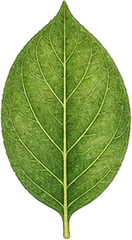
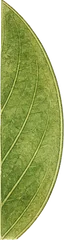
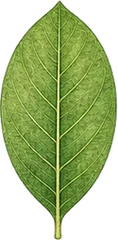
Characters typical of the family — individual species can vary.
Typical flower & fruit
- Flower symmetryActinomorphic (radially symmetrical)
- InflorescenceSpike
- FruitDrupe
Typical of the family — flowering plants only; species can vary.
Families that can look similar
Myrtaceae
Compare against Myrtaceae when the plant shares similar leaves, flowers, or fruit. Confirm by checking the full family pattern.
Compare MyrtaceaeMoraceae
Compare against Moraceae when the plant shares similar leaves, flowers, or fruit. Confirm by checking the full family pattern.
Compare MoraceaeLauraceae
Compare against Lauraceae when the plant shares similar leaves, flowers, or fruit. Confirm by checking the full family pattern.
Compare LauraceaeElaeocarpaceae
Compare against Elaeocarpaceae when the plant shares similar leaves, flowers, or fruit. Confirm by checking the full family pattern.
Compare ElaeocarpaceaeMeet Combretaceae in the field
Point your camera, explore possible matches and compare the field marks. Identification runs on your phone, offline and private.
Download SASYA — Free