

Terminalia chebula
Harra / Chebulic Myrobalan
Also known as Gallnut, Black Myrobalan
- Habit
- Tree
- Found in India
- Maharashtra, Karnataka, Tamil Nadu & more
- Flowering
- February-October
Harra in regional languages
Find the name you know, then compare it with the botanical profile. Columns list recorded aliases; they are not paired translations. A Latin spelling appears only when it is present in the source record.
| Language | Regional script | Recorded Latin spelling |
|---|---|---|
| Hindi | हर्रा · हरड़ | Harra, Harad, Hirdi |
| Nepali | हर्रो | Harro |
| Bengali | হরিতকী | Haritaki |
| Tamil | Not recorded | kaDukkaay, Amagola, Arabi, Aridadi |
| Telugu | కరక్కాయ | Nallakaraka, Karkchettu |
| Kannada | ಅಳಲೆ · ಅಳಿಲೆ · ಅಣಲೆ | Alale, Alile, Anale |
| Malayalam | Not recorded | Katukka, Kadukka, Putanam |
| Marathi | हिरडा | Hirad, Hirda |
| Sanskrit | Not recorded | Abhaya |
| Gujarati | Not recorded | Hirda |
| Odia | ହରୀତକୀ | Karedha |
| Assamese | Not recorded | Hilika, Hilikha, Shilikha, Silikha |
| Urdu | ہریڑ | Haejarad |
| Sinhala | අරළු | Not recorded |
See the original recorded names
- Hindi
- हर्रा Harra, हरड़ Harad, Harra, Hirdi
- Nepali
- हर्रो Harro, हर्रो
- Bengali
- Haritaki, হরিতকী
- Tamil
- kaDukkaay, Amagola, Arabi, Aridadi
- Telugu
- Nallakaraka, Karkchettu, కరక్కాయ
- Kannada
- ಅಳಲೆ Alale, ಅಳಿಲೆ Alile, ಅಣಲೆ Anale, Alale
- Malayalam
- Katukka, Kadukka, Putanam
- Marathi
- Hirad, हिरडा, Hirda
- Sanskrit
- Abhaya
- Gujarati
- Hirda
- Odia
- Karedha, ହରୀତକୀ
- Assamese
- Hilika, Hilikha, Shilikha, Silikha
- Urdu
- Haejarad, ہریڑ
- Sinhala
- අරළු
Ecology & growing context
- Native status · Kew WCVP
- WCVP native range includes Assam, India, West Himalaya Kew dataset ↗
Kew WCVP dataset; accepted-name match. Dataset matching is separate from an individual regional review. Recorded worldwide native range: Indian Subcontinent to China (W. Yunnan) and Indo-China.
- Recorded habitat
- Dry and moist deciduous forests
- Explore nearby plants
- Maharashtra →Karnataka →Tamil Nadu →
Occurrence records show where a plant has been recorded; they do not establish that it is native there. Compare local habitat and growing conditions when choosing plants for a garden.
How to identify Harra
Identify Harra by combining habit, leaf characters, flower or fruit details, location, and its family pattern. Do not rely on one feature alone.
- Look for a tree habit.
- Check the distinctive field mark: Ridged oval astringent fruit.
- Confirm leaf arrangement: Alternate.
- Confirm flower arrangement: Panicle.
- Confirm fruit type: Drupe.
- In season, compare flowering and fruiting time: February-October.
- In India, compare location records such as Maharashtra, Karnataka, Tamil Nadu, Uttarakhand and nearby regions.
Plant Details
- Scientific name
- Terminalia chebula
- Genus
- Terminalia
- Family
- Combretaceae
- Habit
- Tree
- Habitat
- Dry and moist deciduous forests
- Habitat type
- Forest
- Native to
- Indian subcontinent
- Distribution
- India, Sri Lanka, Nepal, Myanmar
- Found in India
- Maharashtra, Karnataka, Tamil Nadu, Uttarakhand, Uttar Pradesh, Jharkhand, Himachal Pradesh, Chhattisgarh, Gujarat, Assam, Kerala, West Bengal, Bihar, Arunachal Pradesh, Jammu & Kashmir, Madhya Pradesh, Telangana
- Flowering & fruiting
- February-October
- Conservation status
- Not Evaluated (NE)
Leaf characters
- Leaf arrangement
- AlternaterecordedOne leaf per node, arranged in a spiral or zigzag up the stem.“The leaves are alternate to subopposite in arrangement, oval, 7–8 cm (2.8–3.1 in) long and 4.5–10 cm (1.8–3.9 in) broad with a 1–3 cm (0.39–1.18 in) petiole.” — Wikipedia, CC BY-SA 4.0
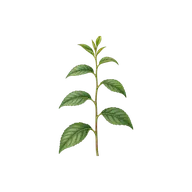
Typical of the family
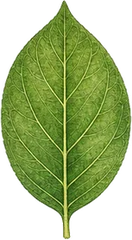


Characters marked “recorded” are for Harra itself; the rest are typical of the Combretaceae family.
Flower & fruit characters
- Flower arrangement
- PaniclerecordedA branching cluster of clusters.“They are borne in terminal spikes or short panicles.” — Wikipedia, CC BY-SA 4.0
- Fruit type
- DruperecordedA fleshy fruit with a single hard stone/pit enclosing the seed.“The fruit is drupe-like, smooth ellipsoid to ovoid, 2–4.5 cm (0.79–1.77 in) long and 1.2–2.5 cm (0.47–0.98 in) broad, blackish, with five longitudinal ridges.” — Wikipedia, CC BY-SA 4.0
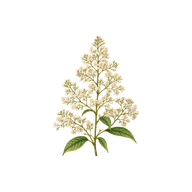

Typical of the family
- Inflorescence
- Spike

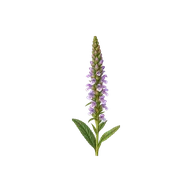
Characters marked “recorded” are for Harra itself; the rest are typical of the Combretaceae family — flowering plants only.
Harra in India
This tree, known as हर्रा Harra (Hindi), kaDukkaay (Tamil), Nallakaraka (Telugu), ಅಳಲೆ Alale (Kannada), Katukka (Malayalam), Hirad (Marathi), produces one of the best-known fruits in Ayurvedic tradition. Terminalia chebula is found across Maharashtra, Karnataka, Tamil Nadu, Uttarakhand, Uttar Pradesh, Jharkhand, typically in deciduous forest.
Uses
The dried ribbed fruit (harad/haritaki) is one of the three fruits combined into Triphala, a long-used Ayurvedic preparation, and the fruit and bark have a history of use in tanning and dyeing — traditional uses, not medical claims.
How to Identify Harra
A medium to large deciduous tree with a rounded crown and oval, opposite to sub-opposite leaves. Small, unpleasant-smelling pale yellow flowers cluster at branch tips, followed by the distinctive fruit: an oval, five-ribbed drupe that ripens from green to yellow-brown and is usually sold dried.
Frequently Asked Questions
- What is Chebulic Myrobalan called in different Indian languages?
- हर्रा Harra (Hindi); kaDukkaay (Tamil); Nallakaraka (Telugu); ಅಳಲೆ Alale (Kannada); Katukka (Malayalam); Hirad (Marathi); Haritaki (Bengali); Hirda (Gujarati); Karedha (Odia); Abhaya (Sanskrit).
- Is harad the same as haritaki?
- Yes — harad (Hindi) and haritaki (Sanskrit) both refer to the dried fruit of Terminalia chebula.
- What is Triphala?
- Triphala is a traditional Ayurvedic combination of three dried fruits — haritaki (Terminalia chebula), bibhitaki (Terminalia bellirica) and amla (Phyllanthus emblica) — used in Ayurveda; it is a traditional preparation, not a medically evaluated treatment.
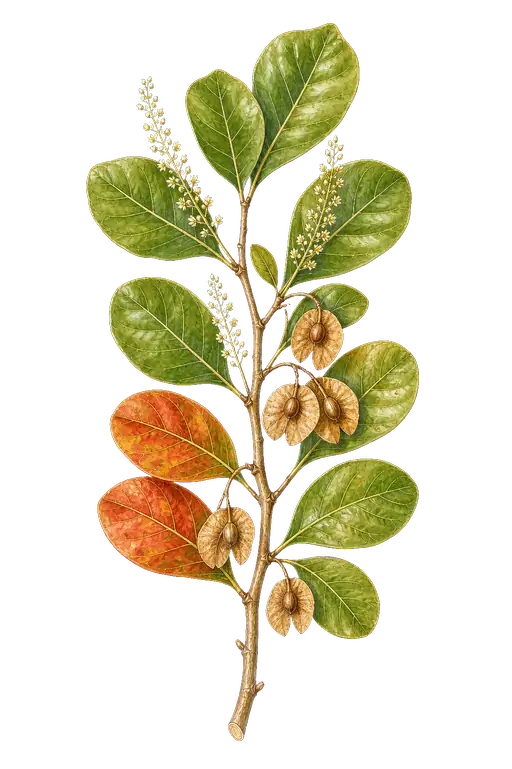
Combretaceae
Indian almond family
Harra belongs to the Combretaceae family.
The illustration represents the family — not necessarily this exact species.
Explore the Combretaceae familySnap it. Know it.
Point your camera at Harra or any plant and SASYA identifies it instantly — on-device, offline, and private.
Common plant problems
If you are starting from symptoms instead of a diagnosis, use the plant disease symptom checker to narrow the cause before treating.
All plant problem & care guidesMore in Combretaceae
View all CombretaceaeSources: GBIF — Terminalia chebula (India distribution & vernacular names) (CC BY 4.0) · Wikipedia — Terminalia chebula (background/comprehension only) (CC BY-SA 4.0)