
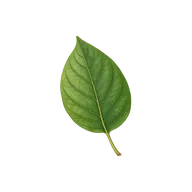
Typical of the Combretaceae family
Terminalia alata
Asan / Indian Laurel आसन
Hindi name · See all regional names ↓
- Habit
- Tree
- Found in India
- Maharashtra, Karnataka, Tamil Nadu & more
- Flowering
- May-February
Asan in regional languages
Find the name you know, then compare it with the botanical profile. Columns list recorded aliases; they are not paired translations. A Latin spelling appears only when it is present in the source record.
| Language | Regional script | Recorded Latin spelling |
|---|---|---|
| Hindi | आसन · साज | Asan, Saj |
| Marathi | ऐन · असण · साताडा · शार्दूळ | Ain, Asan, Satada, Shardul |
| Tamil | அருச்சுனம் · கருமருது · மருதமரம் | Aruccunam, Karumarutu, Marutamaram |
| Malayalam | Not recorded | Matthi |
| Telugu | ఇనుమద్ది | Innu maddi, Nalla maddi |
| Kannada | ಬನಪು · ಕರಿಮತ್ತಿ · ಸದರ · ಮೞ್ತಿ · ಮತ್ತಿ · ಜುವ್ವಾರೆ | banapu, Karimatti, Sadara, Mazhti, Malti, Matti, Juvvaare |
| Bengali | Not recorded | Asan |
| Odia | Not recorded | Sahaju |
| Sanskrit | रक्तअर्जुन · असन · सर्ज | Raktarjun, Asan, Sarj |
See the original recorded names
- Hindi
- आसन Asan, साज Saj
- Marathi
- ऐन Ain, असण Asan, साताडा Satada, शार्दूळ Shardul
- Tamil
- அருச்சுனம் Aruccunam, கருமருது Karumarutu, மருதமரம் Marutamaram
- Malayalam
- Matthi
- Telugu
- ఇనుమద్ది Innu maddi, Nalla maddi
- Kannada
- ಬನಪು banapu, ಕರಿಮತ್ತಿ,Karimatti, ಸದರ Sadara, ಮೞ್ತಿ Mazhti, Malti, ಮತ್ತಿ Matti, ಜುವ್ವಾರೆ Juvvaare
- Bengali
- Asan
- Odia
- Sahaju
- Sanskrit
- रक्तअर्जुन Raktarjun, असन Asan, Sarj सर्ज
Ecology & growing context
- Recorded habitat
- Dry deciduous forests
- Explore nearby plants
- Maharashtra →Karnataka →Tamil Nadu →
Occurrence records show where a plant has been recorded; they do not establish that it is native there. Compare local habitat and growing conditions when choosing plants for a garden.
How to identify Asan
Identify Asan by combining habit, leaf characters, flower or fruit details, location, and its family pattern. Do not rely on one feature alone.
- Look for a tree habit.
- Confirm fruit type: Winged.
- In season, compare flowering and fruiting time: May-February.
- In India, compare location records such as Maharashtra, Karnataka, Tamil Nadu, Rajasthan and nearby regions.
- Confirm it sits within the Combretaceae family pattern, then compare close relatives before deciding it is Asan.
Plant Details
- Scientific name
- Terminalia alata
- Genus
- Terminalia
- Family
- Combretaceae
- Habit
- Tree
- Habitat
- Dry deciduous forests
- Habitat type
- Forest
- Distribution
- India, Sri Lanka, Himalayas, Myanmar, Thailand, Indo-China
- Found in India
- Maharashtra, Karnataka, Tamil Nadu, Rajasthan, Andaman & Nicobar Islands, Kerala, Telangana, Gujarat, West Bengal, Andhra Pradesh, Uttarakhand, Madhya Pradesh, Uttar Pradesh, Chhattisgarh, Odisha, Assam, Bihar, Himachal Pradesh, Delhi, Arunachal Pradesh, Goa, Jharkhand, Puducherry, Chandigarh, Meghalaya, Punjab, Jammu & Kashmir, Manipur, Mizoram, Sikkim
- Flowering & fruiting
- May-February
- Conservation status
- Not Evaluated (NE)
Leaf characters
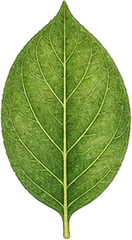


Typical of the Combretaceae family — a field-mark hint, not measured for this exact species.
Flower & fruit characters
- Fruit type
- Wingedrecorded
Typical of the family
- Inflorescence
- Spike

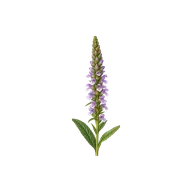
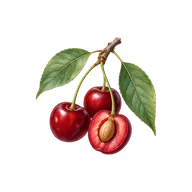
Characters marked “recorded” are for Asan itself; the rest are typical of the Combretaceae family — flowering plants only.
Asan in India
Indian laurel, also called Asan or Saj, is a dry-deciduous forest tree of the Indian subcontinent. SASYA records place it across Maharashtra, Karnataka, Tamil Nadu, Rajasthan, Andaman & Nicobar Islands, Kerala, Telangana, Gujarat and many other states. Local names include आसन Asan / साज Saj in Hindi, ऐन Ain in Marathi, கருமருது Karumarutu in Tamil, Nalla maddi in Telugu, Karimatti / Matti in Kannada, and रक्तअर्जुन Raktarjun in Sanskrit.
Uses
The tree is valued for durable timber, tannin-rich bark and traditional uses. Those traditional uses are cultural and botanical context, not medical advice.
How to Identify Asan
Identify Terminalia alata by its tall dry-forest tree habit, rough dark bark, simple leaves often clustered toward twig ends, and winged Terminalia-type fruits. In the field, separate it from the better-known arjun tree by habitat and fruit: T. alata is common in dry deciduous forests and has broad-winged fruits, while arjun is more strongly associated with riverbanks and moist sites.
How to Keep It Healthy in India
Think of Asan as a monsoon-deciduous forest tree: it grows actively when heat and rain arrive, then slows through the driest months. In cultivation it wants full sun, deep well-drained red, lateritic or loamy soil, and space for a broad root system. Water young trees regularly through the first two summers, but once established avoid constantly wet soil; dry-season stress is part of its rhythm. Heavy feeding is unnecessary in open ground: compost or leaf litter before the monsoon is more natural than repeated high-nitrogen fertiliser. Flowering and fruiting can extend from late summer into winter depending on region.
Frequently Asked Questions
- What is Terminalia alata called in India?
- Common names include Asan or Saj in Hindi, Ain in Marathi, Karumarutu in Tamil, Nalla maddi in Telugu, Karimatti or Matti in Kannada, and Raktarjun in Sanskrit.
- How do I identify Terminalia alata?
- Look for a large dry-deciduous forest tree with rough bark, simple leaves clustered near twig tips, and broad-winged fruits typical of Terminalia.
- Does Terminalia alata need much watering?
- Young trees need regular watering until established. Older trees are adapted to monsoon rain followed by dry periods and should not sit in waterlogged soil.
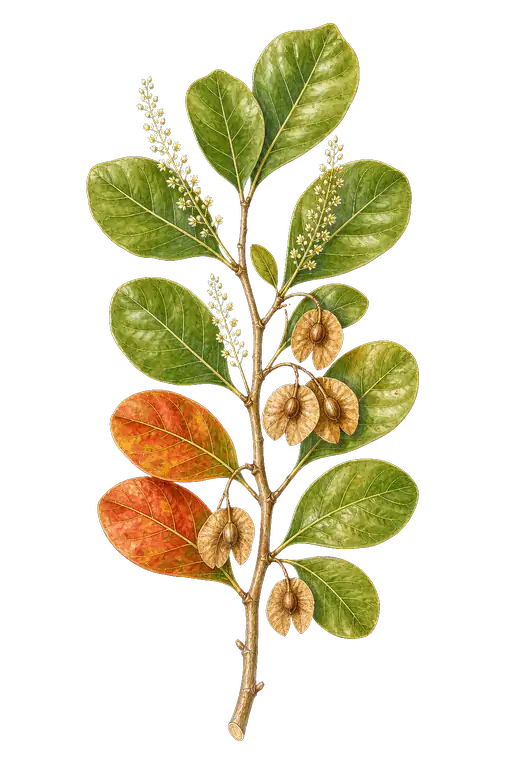
Combretaceae
Indian almond family
Asan belongs to the Combretaceae family.
The illustration represents the family — not necessarily this exact species.
Explore the Combretaceae familySnap it. Know it.
Point your camera at Asan or any plant and SASYA identifies it instantly — on-device, offline, and private.
Common plant problems
If you are starting from symptoms instead of a diagnosis, use the plant disease symptom checker to narrow the cause before treating.
All plant problem & care guidesMore in Combretaceae
View all CombretaceaeSources: Wikidata — Terminalia alata