
Sterculiaceae
Cacao/Cola family
Now merged into Malvaceae, this tropical family includes cacao (Theobroma cacao) — the source of chocolate — and cola nuts (Cola). Trees and shrubs with mucilaginous sap and distinctive flowers where petals are sometimes absent or reduced to stamen tubes.
Browse all 33 species ↓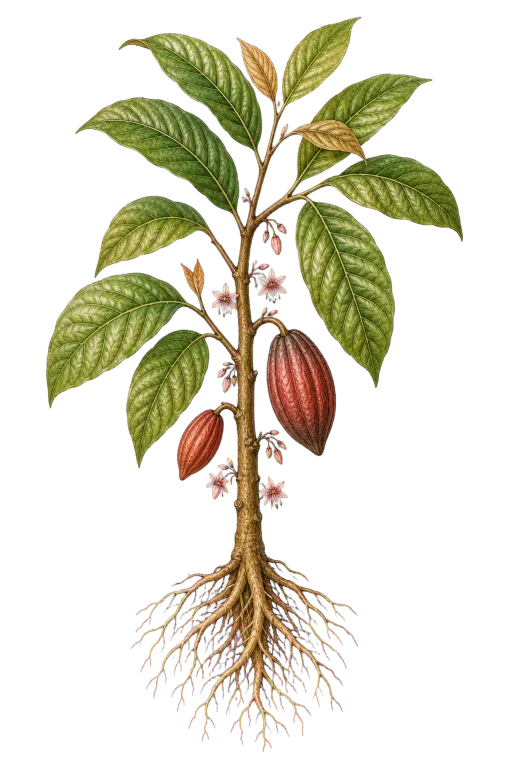
Alternate, often palmately veined leaves with mucilaginous inner bark; flowers frequently lack true petals altogether, relying instead on a petal-like calyx for colour, while the stamens fuse into a short column or bundle around the pistil.
Source of cacao and cola nuts — many genera pack theobromine- and caffeine-related alkaloids into their seeds, the basis of chocolate and traditional cola beverages.
Which Sterculiaceae species is this?
Answer what you can see and narrow it down to a single Sterculiaceae species.
How to recognise the Sterculiaceae family
- 01
Stamens often in bundles or fused tube
- 02
Mucilaginous inner bark tissue
- 03
Includes Cacao, Cola, and Sterculia
To check whether a plant belongs to Sterculiaceae, compare the leaf arrangement, leaf type, flower symmetry, fruit type, and one distinctive marker together. A single feature can mislead; the family pattern is the combination.
Learn the full family-identification methodTypical leaf characters
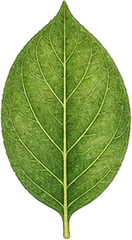
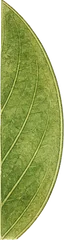
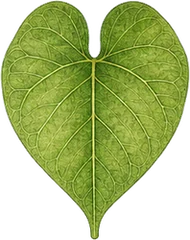
Characters typical of the family — individual species can vary.
Typical flower & fruit
- Flower symmetryActinomorphic (radially symmetrical)
- InflorescencePanicle
- FruitCapsule
Typical of the family — flowering plants only; species can vary.
Notable members
Families that can look similar
Malvaceae
Compare against Malvaceae when the plant shares similar leaves, flowers, or fruit. Confirm by checking the full family pattern.
Compare MalvaceaeTiliaceae
Compare against Tiliaceae when the plant shares similar leaves, flowers, or fruit. Confirm by checking the full family pattern.
Compare TiliaceaeConvolvulaceae
Compare against Convolvulaceae when the plant shares similar leaves, flowers, or fruit. Confirm by checking the full family pattern.
Compare ConvolvulaceaeEuphorbiaceae
Compare against Euphorbiaceae when the plant shares similar leaves, flowers, or fruit. Confirm by checking the full family pattern.
Compare EuphorbiaceaeAll 33 species in STERCULIACEAE
- Devil's CottonAbroma augusta
- Flame TreeBrachychiton acerifolius
- Broad-Leaved BottletreeBrachychiton australis
- Common Hog WeedByttneria herbacea
- Deccan SalmonwoodEriolaena hookeriana
- Five-Celled SalmonwoodEriolaena quinquelocularis
- Scarlet Sterculia, Colored Sterculia, Hill GossypiumFirmiana colorata
- Honey-Fruit Tree, Bastard Cedar, West-Indian ElmGuazuma ulmifolia
- East-Indian Screw TreeHelicteres isora
- Looking-Glass TreeHeritiera littoralis
- Poplar SterculiaHildegardia populifolia
- Tree Antigonon, Guest TreeKleinhovia hospita
- Hairy MelhaniaMelhania incana
- ChocolateweedMelochia corchorifolia
- Winged Boot TreePterocymbium tinctorium
- Dinnerplate TreePterospermum acerifolium
- BayurPterospermum diversifolium
- Lance Wood TreePterospermum heyneanum
- South-Indian Kanak ChampaPterospermum reticulatum
- Rusty Kanak ChampaPterospermum rubiginosum
- Woody-Fruit Bayur TreePterospermum xylocarpum
- Buddha's Coconut TreePterygota alata
- Java Olive, Foetid Sterculia, Skunk TreeSterculia foetida
- Spotted SterculiaSterculia guttata
- Kateera-Gum, Katira, Kulu, Sterculia Gum, Gum KarayaSterculia urens
- Elephant Rope TreeSterculia villosa
- Cocoa Tree, Cocco, Cacao, Chocolate-Nut TreeTheobroma cacao
- Boater BushWaltheria indica
- Heritiera papilio
- Leptonychia caudata
- Melhania hamiltoniana
- Pterospermum canescens
- Sterculia balanghas
Identify any Sterculiaceae plant in seconds
Point your camera and SASYA names the species on-device — offline and private.
Download SASYA — Free