
Kanak Champa / Dinnerplate Tree
Pterospermum acerifolium
- Habit
- Tree
- Found in India
- Maharashtra, Karnataka, Uttar Pradesh & more
- Flowering
- March-December
How to identify Kanak Champa
Identify Kanak Champa by combining habit, leaf characters, flower or fruit details, location, and its family pattern. Do not rely on one feature alone.
- Look for a tree habit.
- Check the distinctive field mark: Huge round leaves, large fragrant white flowers (dinnerplate tree).
- Confirm leaf arrangement: Alternate.
- Confirm leaf shape: Obovate.
- Confirm flower colour: White/cream.
- In season, compare flowering and fruiting time: March-December.
- In India, compare location records such as Maharashtra, Karnataka, Uttar Pradesh, Uttarakhand and nearby regions.
Plant Details
- Scientific name
- Pterospermum acerifolium
- Genus
- Pterospermum
- Family
- Sterculiaceae
- Habit
- Tree
- Native to
- Continental Asia
- Distribution
- Introduced elsewhere
- Found in India
- Maharashtra, Karnataka, Uttar Pradesh, Uttarakhand, Chandigarh, Delhi, West Bengal, Bihar, Arunachal Pradesh, Kerala, Punjab, Rajasthan, Gujarat, Haryana, Andhra Pradesh, Himachal Pradesh, Mizoram, Tamil Nadu
- Flowering & fruiting
- March-December
- Conservation status
- Not Evaluated (NE)
Leaf characters
- Leaf arrangement
- AlternaterecordedOne leaf per node, arranged in a spiral or zigzag up the stem.“The leaves grow in an alternate arrangement.” — Wikipedia, CC BY-SA 4.0
- Leaf shape
- ObovaterecordedEgg-shaped but broader near the tip rather than the base.“Leaf shape can range from oblong, broadly obovate to ovate.” — Wikipedia, CC BY-SA 4.0
- Leaf margin
- ToothedrecordedA saw-like or jagged edge (serrate or dentate).“Leaf edges are commonly dentate (toothed) or irregularly lobed.” — Wikipedia, CC BY-SA 4.0
- Leaf surface
- HirsuterecordedCovered in coarse, stiff, bristly hairs.“The leaves are rough and rubbery to limit the loss of moisture in a hot climate.” — Wikipedia, CC BY-SA 4.0
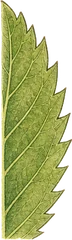
Typical of the family
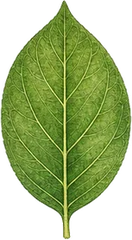

Characters marked “recorded” are for Kanak Champa itself; the rest are typical of the Sterculiaceae family.
Flower & fruit characters
- Flower colour
- White/creamrecorded
Typical of the family
- Flower symmetry
- Actinomorphic (radially symmetrical)
- Inflorescence
- Panicle
- Fruit
- Capsule
Characters marked “recorded” are for Kanak Champa itself; the rest are typical of the Sterculiaceae family — flowering plants only.
Local Names
- Hindi
- Kanak Champa कनक चम्पा, Muchkund मचकुंद,कनक चम्पा kanaka champa
- Bengali
- Muskanda, মুচকুন্দ
- Tamil
- வெண்ணங்கு Vennangu
- Telugu
- Matsakanda
- Kannada
- ರಾಜತರು Raajataru, ಕನಕಚಂಪಕ Kanaka champaka, ಕೊಸಗು Kosagu
- Malayalam
- ചെറുകൊന്ന, Pterospermum acerifolium, മലന്തുടലി
- Marathi
- मुचकुंद Muchakund, Karnikar
About Kanak Champa
A member of the Sterculiaceae family, Dinnerplate Tree (Pterospermum acerifolium) is a tree. In India it has been recorded in Maharashtra, Karnataka, Uttar Pradesh and 15 other states. Flowering and fruiting run from March to December.
Uses
Locally it is long used in traditional medicine, planted as an ornamental and distilled for an aromatic oil. Those medicinal uses are traditional attributions, not medical advice.
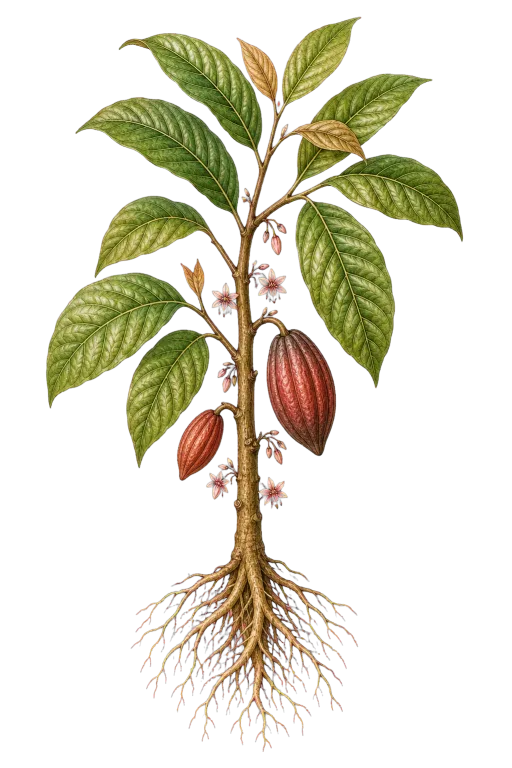
Sterculiaceae
Cacao/Cola family
Kanak Champa belongs to the Sterculiaceae family.
The illustration represents the family — not necessarily this exact species.
Explore the Sterculiaceae familySnap it. Know it.
Point your camera at Kanak Champa or any plant and SASYA identifies it instantly — on-device, offline, and private.
Common plant problems
If you are starting from symptoms instead of a diagnosis, use the plant disease symptom checker to narrow the cause before treating.
All plant problem & care guides