
Jangli Badam / Java Olive
Sterculia foetida
Also known as Foetid Sterculia, Skunk Tree
- Habit
- Tree
- Found in India
- Telangana, Tamil Nadu, Maharashtra & more
- Flowering
- March-August
How to identify Jangli Badam
Identify Jangli Badam by combining habit, leaf characters, flower or fruit details, location, and its family pattern. Do not rely on one feature alone.
- Look for a tree habit.
- Check the distinctive field mark: Foul-smelling flowers (skunk tree), star-shaped fruit clusters.
- Confirm leaf type: Palmately compound.
- Confirm leaf shape: Elliptic.
- Confirm flower colour: Red.
- Confirm flower arrangement: Panicle.
- In season, compare flowering and fruiting time: March-August.
Plant Details
- Scientific name
- Sterculia foetida
- Genus
- Sterculia
- Family
- Sterculiaceae
- Habit
- Tree
- Habitat
- Deciduous forests and in the plains along coastal areas
- Distribution
- India, Pakistan, East Tropical Africa, Sri Lanka, Bangladesh, Myanmar, Malaysia, N. Australia, Moluccas
- Found in India
- Telangana, Tamil Nadu, Maharashtra, Gujarat, Karnataka, West Bengal, Andhra Pradesh, Odisha, Goa, Kerala, Uttar Pradesh, Delhi, Puducherry, Chhattisgarh, Madhya Pradesh, Rajasthan
- Flowering & fruiting
- March-August
- Conservation status
- Not Evaluated (NE)
Leaf characters
- Leaf type
- Palmately compoundrecordedLeaflets radiate outward from a single point, like fingers on a hand.“the blades are palmately compound, containing 7–9 leaflets.” — Wikipedia, CC BY-SA 4.0
- Leaf shape
- EllipticrecordedWidest at the middle, tapering evenly at both ends.“The leaflets are elliptical, 100–170 mm long, and shortly petioled.” — Wikipedia, CC BY-SA 4.0
Typical of the family
- Arrangement
- Alternate
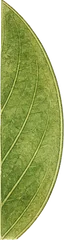
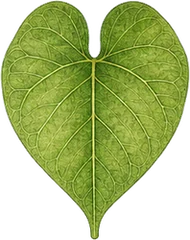
Characters marked “recorded” are for Jangli Badam itself; the rest are typical of the Sterculiaceae family.
Flower & fruit characters
- Flower colour
- Redrecorded
- Flower arrangement
- PaniclerecordedA branching cluster of clusters.“The flowers are arranged in panicles, 10–15 cm (4–6 in) long.” — Wikipedia, CC BY-SA 4.0
- Fruit type
- FolliclerecordedA dry pod that splits open along a single seam.“The fruit consists of four to five follicles, each follicle generally containing 10–15 seeds.” — Wikipedia, CC BY-SA 4.0
Typical of the family
- Flower symmetry
- Actinomorphic (radially symmetrical)
- Inflorescence
- Panicle
- Fruit
- Capsule
Characters marked “recorded” are for Jangli Badam itself; the rest are typical of the Sterculiaceae family — flowering plants only.
Local Names
- Hindi
- जंगली बादाम Jangli badam, jangli badam
- Bengali
- জংগলী বাদাম Jungli Badam, বাক্সবাদাম, জংলিবাদাম
- Tamil
- Kutiraippitukku, பீநாறி
- Telugu
- Manjiponaku, Adavibadam
- Kannada
- Bhatala penari, ಗೋಟು Gotu, ಪಾತಾಳಮರ Paataala mara
- Malayalam
- Pinari, Putiyunrtti, Pottakkavalam
- Marathi
- Goldaru, जंगली बादाम Jangali badam, जंगली बदाम
About Jangli Badam
A member of the Sterculiaceae family, Java Olive (Sterculia foetida) is a tree. In India it has been recorded in Telangana, Tamil Nadu, Maharashtra and 13 other states. It grows in deciduous forests and in the plains along coastal areas. Flowering and fruiting run from March to August.
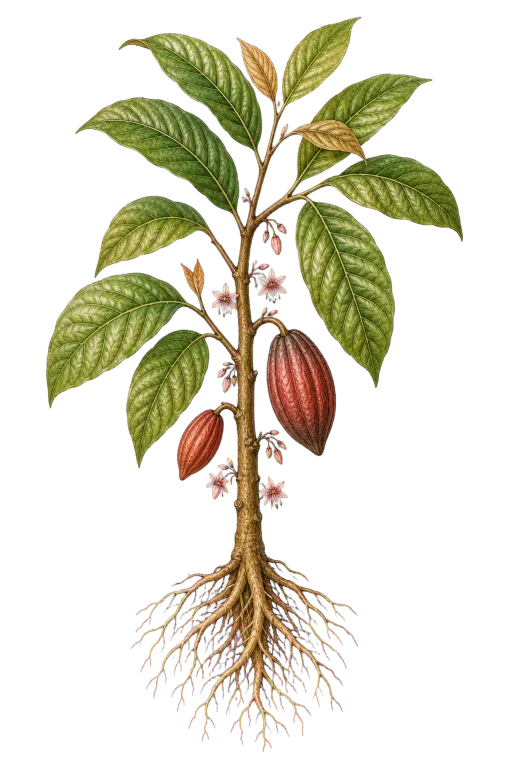
Sterculiaceae
Cacao/Cola family
Jangli Badam belongs to the Sterculiaceae family.
The illustration represents the family — not necessarily this exact species.
Explore the Sterculiaceae familySnap it. Know it.
Point your camera at Jangli Badam or any plant and SASYA identifies it instantly — on-device, offline, and private.
Common plant problems
If you are starting from symptoms instead of a diagnosis, use the plant disease symptom checker to narrow the cause before treating.
All plant problem & care guides