
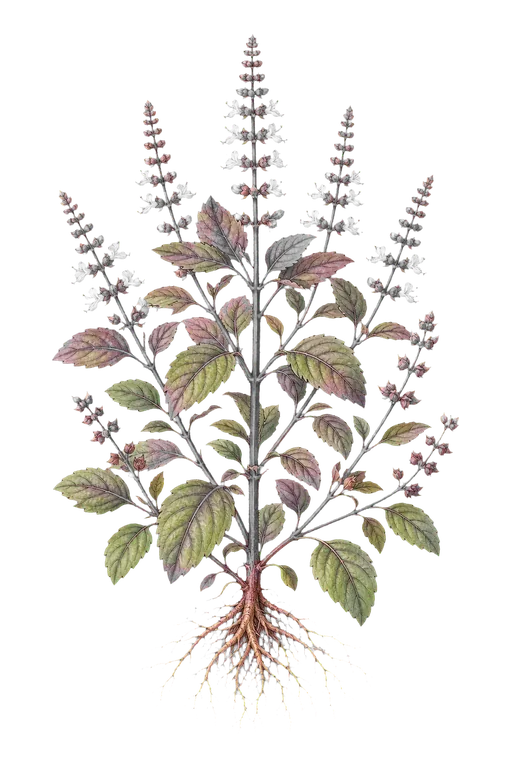
Ocimum tenuiflorum
Tulsi
Also known as Holy Basil
- Found in India
- Kerala, Maharashtra, Andhra Pradesh & more
Tulsi in regional languages
Find the name you know, then compare it with the botanical profile. Columns list recorded aliases; they are not paired translations. A Latin spelling appears only when it is present in the source record.
| Language | Regional script | Recorded Latin spelling |
|---|---|---|
| Hindi | तुलसी | Tulsi |
| Tamil | துளசி | Not recorded |
| Telugu | తులసి | Not recorded |
| Kannada | ತುಳಸಿ | Not recorded |
| Malayalam | തുളസി | Not recorded |
| Marathi | तुळस | Not recorded |
| Bengali | তুলসী | Not recorded |
| Gujarati | તુલસી | Not recorded |
| Odia | ତୁଳସୀ | Not recorded |
| Punjabi | ਤੁਲਸੀ | Not recorded |
| Urdu | تلسی | Not recorded |
| Nepali | तुलसी | Not recorded |
| Sinhala | හීං මදුරුතලා | Not recorded |
See the original recorded names
- Hindi
- तुलसी Tulsi
- Tamil
- துளசி
- Telugu
- తులసి
- Kannada
- ತುಳಸಿ
- Malayalam
- തുളസി
- Marathi
- तुळस
- Bengali
- তুলসী
- Gujarati
- તુલસી
- Odia
- ତୁଳସୀ
- Punjabi
- ਤੁਲਸੀ
- Urdu
- تلسی
- Nepali
- तुलसी
- Sinhala
- හීං මදුරුතලා
Tulsi at a glance
Source-linked growing guidance. Adjust care to your climate, season and growing conditions. Unrecorded values are shown explicitly.
- Water & soil moisture
- Moderate water; moist, well-drained soil NParks Flora & Fauna Web — Ocimum tenuiflorum ↗Checked
- Pot & placement
- Suitable for container planting NParks Flora & Fauna Web — Ocimum tenuiflorum ↗Checked
- Pet safety
- Not yet verified No safety rating recorded
Water needs are conditional; these cards do not prescribe a fixed watering interval. Review dates belong to the individual source records.
Growing context & reported issues
Published observations about growing settings, size and common problems. These are context for a plant profile, rather than a diagnosis of the plant in front of you.
Growing setting
Grown in containers and edible gardens; confine to manage spread
Reported size
Grows rapidly to about 90 cm
Ecology & growing context
- Reviewed native status
- Native range includes India; also native elsewhere in tropical Asia Source ↗
Individually reviewed range. Native status applies to the stated region.
- Small footprint. Deep heritage.
- Often grown near homes and places of worship, this familiar undershrub also appears in scrub and deciduous forests. Follow the familiar name back out into the wild. Field source ↗
- Pollinator connections
- Flowers attract small mason bees and sweat bees Source ↗
- Explore nearby plants
- Kerala →Maharashtra →Andhra Pradesh →
Occurrence records show where a plant has been recorded; they do not establish that it is native there. Compare local habitat and growing conditions when choosing plants for a garden.
How to identify Tulsi
Identify Tulsi by combining habit, leaf characters, flower or fruit details, location, and its family pattern. Do not rely on one feature alone.
- Check the distinctive field mark: Sacred basil (tulsi).
- Confirm leaf type: Simple.
- Confirm leaf shape: Ovate.
- Confirm flower colour: Purple.
- Confirm flower arrangement: Raceme.
- Use the leaf pattern: opposite leaf arrangement, simple leaves, toothed leaf margins, pinnate venation.
- In India, compare location records such as Kerala, Maharashtra, Andhra Pradesh, Telangana and nearby regions.
Plant Details
- Scientific name
- Ocimum tenuiflorum
- Genus
- Ocimum
- Family
- Lamiaceae
- Found in India
- Kerala, Maharashtra, Andhra Pradesh, Telangana, Tamil Nadu, Rajasthan, Gujarat, Karnataka, West Bengal, Chhattisgarh, Madhya Pradesh, Odisha, Goa, Puducherry, Uttarakhand, Assam, Haryana, Himachal Pradesh, Delhi, Uttar Pradesh, Andaman & Nicobar Islands, Arunachal Pradesh, Bihar
- Conservation status
- Not Evaluated (NE)
Leaf characters
- Leaf type
- SimplerecordedA single, undivided leaf blade.“they are simple, petioled, with an ovate blade up to 5 cm (2 in) long, which usually has a slightly toothed margin;” — Wikipedia, CC BY-SA 4.0
- Leaf shape
- OvaterecordedEgg-shaped, broader near the base.“they are simple, petioled, with an ovate blade up to 5 cm (2 in) long, which usually has a slightly toothed margin;” — Wikipedia, CC BY-SA 4.0
- Leaf margin
- ToothedrecordedA saw-like or jagged edge (serrate or dentate).“they are simple, petioled, with an ovate blade up to 5 cm (2 in) long, which usually has a slightly toothed margin;” — Wikipedia, CC BY-SA 4.0
- Leaf surface
- Pubescent (softly hairy)recorded
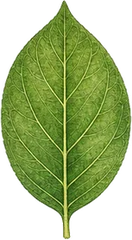
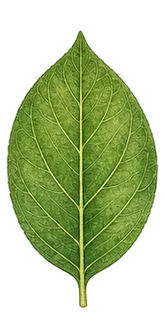
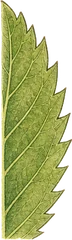
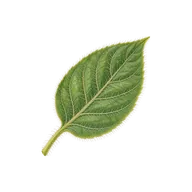
Typical of the family
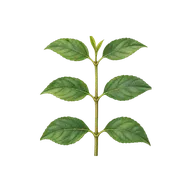

Characters marked “recorded” are for Tulsi itself; the rest are typical of the Lamiaceae family.
Flower & fruit characters
- Flower colour
- PurplerecordedPurple or violet
- Flower arrangement
- RacemerecordedIndividual stalked flowers arranged along a central stem, opening from bottom to top.“The purplish flowers are placed in close whorls on elongated racemes.” — Wikipedia, CC BY-SA 4.0
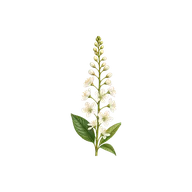
Typical of the family
- Inflorescence
- Cyme
- Fruit
- Nutlets

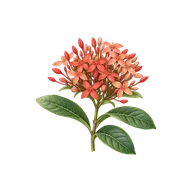
Characters marked “recorded” are for Tulsi itself; the rest are typical of the Lamiaceae family — flowering plants only.
Tulsi in India
Few plants are as woven into Indian daily life as tulsi. The same herb is तुलसी in Hindi, तुळस in Marathi, துளசி in Tamil, తులసి in Telugu, ತುಳಸಿ in Kannada, തുളസി in Malayalam, তুলসী in Bengali and તુલસી in Gujarati — known in English as holy or sacred basil. Botanically Ocimum tenuiflorum, it is grown in courtyards, doorways and temple precincts across almost the whole of India; herbarium and citizen-science records place it from Kerala and Tamil Nadu through Andhra Pradesh, Telangana and Karnataka, and across to Maharashtra, Gujarat, Rajasthan and West Bengal. An aromatic member of the mint family (Lamiaceae), it is as likely to be found in a clay pot on a balcony as growing semi-wild along roadsides.
Uses
In the Vaishnava tradition tulsi is treated as a sacred plant, often tended in a dedicated tulsi-vrindavan, and its leaves feature in daily worship. Beyond ritual, the leaves are brewed into an everyday herbal tea and the plant has a long-standing place in Ayurveda, where it appears in attributed traditional preparations for coughs and colds — a traditional use, not medical advice. The aromatic foliage also yields an essential oil rich in eugenol.
How to Identify Tulsi
Tulsi is a softly hairy, strongly aromatic perennial herb. Like other mints it shows the family's hallmark four-angled (square) stems and paired, opposite leaves; the leaves are oval with a toothed margin and range from green (Rama tulsi) to purplish (Krishna tulsi). Small tubular flowers are carried in slender, whorled spikes. Crushing a leaf releases a clove-like scent that quickly separates it from sweet or culinary basil (Ocimum basilicum), which is milder and sweeter.
Frequently Asked Questions
- What is tulsi called in different Indian languages?
- Tulsi keeps a very similar name across India: तुलसी (Hindi), तुळस (Marathi), துளசி (Tamil), తులసి (Telugu), ತುಳಸಿ (Kannada), തുളസി (Malayalam), তুলসী (Bengali), તુલસી (Gujarati), ତୁଳସୀ (Odia) and ਤੁਲਸੀ (Punjabi). In English it is holy or sacred basil.
- Where does tulsi grow in India?
- Tulsi is recorded almost throughout India — including Kerala, Tamil Nadu, Andhra Pradesh, Telangana, Karnataka, Maharashtra, Gujarat, Rajasthan and West Bengal — both in cultivation and as a naturalised roadside plant.
- Is tulsi the same as the basil used in cooking?
- No. Tulsi (Ocimum tenuiflorum) is a different species from sweet or culinary basil (Ocimum basilicum). Both belong to the mint family and look similar, but tulsi has a sharper, clove-like aroma and is grown mainly for ritual and herbal use rather than for cooking.
- What is tulsi used for?
- Tulsi is best known as a sacred plant in Hindu households and temples. Its leaves are also brewed as a herbal tea and used in traditional Ayurvedic preparations (an attributed traditional use, not medical advice), and the foliage yields an aromatic essential oil.
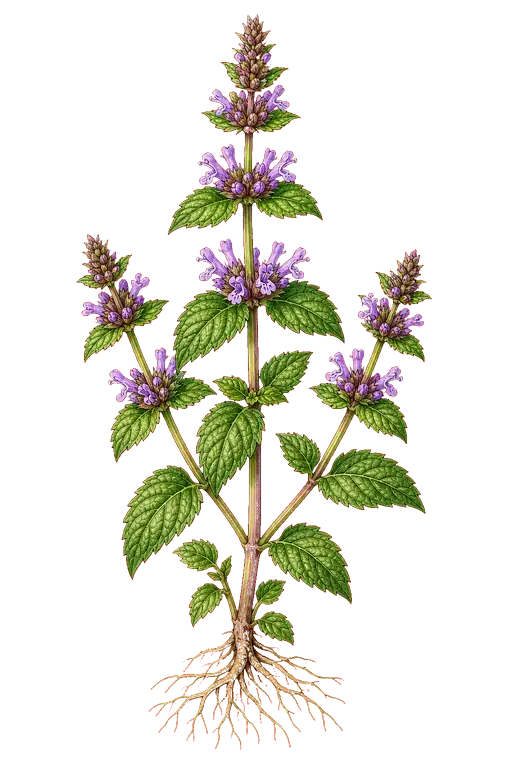
Lamiaceae
Mint/Sage family
Tulsi belongs to the Lamiaceae family.
The illustration represents the family — not necessarily this exact species.
Explore the Lamiaceae familySnap it. Know it.
Point your camera at Tulsi or any plant and SASYA identifies it instantly — on-device, offline, and private.
Common plant problems
If you are starting from symptoms instead of a diagnosis, use the plant disease symptom checker to narrow the cause before treating.
All plant problem & care guidesMore in Lamiaceae
View all LamiaceaeSources: GBIF — Ocimum tenuiflorum (India occurrences, distribution, vernacular names) (CC BY 4.0) · iNaturalist — Ocimum tenuiflorum (regional names, India observations) (CC BY 4.0) · Sasya internal dataset (taxonomy, conservation status) · Wikipedia — Ocimum tenuiflorum (background/comprehension only) (CC BY-SA 4.0)