
Sapindaceae
Soapberry/Lychee family
Trees with compound leaves and arillate seeds. Many have saponins. Includes lychee, longan, rambutan, bael, and soapberry.
Browse all 22 species ↓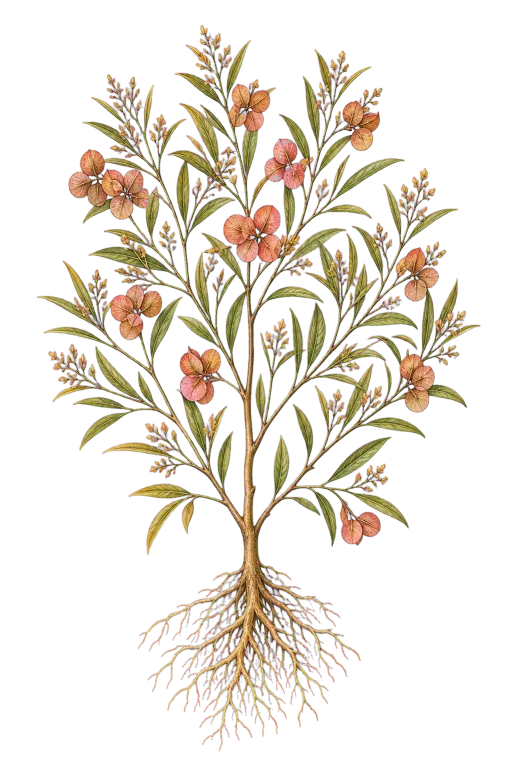
Alternate, usually pinnately compound leaves on trees, shrubs, or tendril-climbers; small, often unisexual and slightly irregular flowers ripen into a fruit whose seed is wrapped in a bright, fleshy aril, as in lychee's edible flesh.
Many genera contain saponins — soap-like compounds in bark, fruit, or seed that froth when shaken with water, the trait that gives the family its name (soapberry).
Which Sapindaceae species is this?
Answer what you can see and narrow it down to a single Sapindaceae species.
How to recognise the Sapindaceae family
- 01
Leaf arrangement: alternate
- 02
Leaf type: pinnate compound
- 03
Growth forms: tree/shrub/vine
- 04
Inflorescence: panicle/raceme
- 05
Fruit: capsule/samara/drupe
To check whether a plant belongs to Sapindaceae, compare the leaf arrangement, leaf type, flower symmetry, fruit type, and one distinctive marker together. A single feature can mislead; the family pattern is the combination.
Learn the full family-identification methodTypical leaf characters

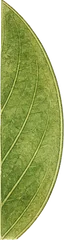
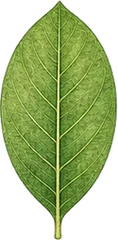
Characters typical of the family — individual species can vary.
Typical flower & fruit
- Flower symmetryActinomorphic (radially symmetrical)
- InflorescencePanicle
- FruitCapsule
Typical of the family — flowering plants only; species can vary.
Notable members
Families that can look similar
Meliaceae
Compare against Meliaceae when the plant shares similar leaves, flowers, or fruit. Confirm by checking the full family pattern.
Compare MeliaceaeRutaceae
Compare against Rutaceae when the plant shares similar leaves, flowers, or fruit. Confirm by checking the full family pattern.
Compare RutaceaeAnacardiaceae
Compare against Anacardiaceae when the plant shares similar leaves, flowers, or fruit. Confirm by checking the full family pattern.
Compare AnacardiaceaeEuphorbiaceae
Compare against Euphorbiaceae when the plant shares similar leaves, flowers, or fruit. Confirm by checking the full family pattern.
Compare EuphorbiaceaeAll 22 species in SAPINDACEAE
- Japanese MapleAcer palmatum
- Indian Horse-ChestnutAesculus indica
- TipanAllophylus cobbe
- Toothed-Leaf AllophylusAllophylus serratus
- Faux PersilCardiospermum canescens
- Balloon-Vine Heart-Seed, Heart's Pea, Balloon Vine, Blister Creeper, Heart's Pea, Heart SeedCardiospermum halicacabum
- Longan Eyeball Tree, Longan TreeDimocarpus longan
- Hopseed Bush, Switch SorrelDodonaea viscosa
- Fern Leaf TreeFilicium decipiens
- Dolls Eyes, Mogum-MogumHarpullia arborea
- Wild AphaniaLepisanthes tetraphylla
- Litchi, LycheeLitchi chinensis
- Black Pearl TreeMajidea zanguebarica
- RambutanNephelium lappaceum
- Soapnut TreeSapindus emarginatus
- ReethaSapindus mukorossi
- Soapnut TreeSapindus trifoliatus
- Ceylon Oak, Macassar-Oil TreeSchleichera oleosa
- Ceylon OakSchleichera trijuga
- Lepisanthes rubiginosa
- Lepisanthes senegalensis
- Otonephelium stipulaceum
Identify any Sapindaceae plant in seconds
Point your camera and SASYA names the species on-device — offline and private.
Download SASYA — Free