
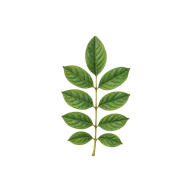
As recorded for Black Pearl Tree
Majidea zanguebarica
Black Pearl Tree
- Habit
- Tree
- Found in India
- Tamil Nadu, Maharashtra, Karnataka
- Flowering
- January-June
Ecology & growing context
- Native status · Kew WCVP
- WCVP native range does not include India Kew dataset ↗︎
Kew WCVP dataset; accepted-name match. Dataset matching is separate from an individual regional review. Recorded worldwide native range: SE. Kenya to E. Tanzania (incl. Zanzibar). Not listed native does not establish introduction or absence from India.
- Recorded habitat
- Grown as ornamental tree
- Explore nearby plants
- Tamil Nadu →Maharashtra →Karnataka →
Occurrence records show where a plant has been recorded; they do not establish that it is native there. Compare local habitat and growing conditions when choosing plants for a garden.
How to identify Black Pearl Tree
Identify Black Pearl Tree by combining habit, leaf characters, flower or fruit details, location, and its family pattern. Do not rely on one feature alone.
- Look for a tree habit.
- Check the distinctive field mark: Bright red capsules with shiny black seeds (black pearl tree).
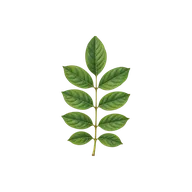
- Confirm leaf type: Pinnately compound (leaflets in rows along a stalk).
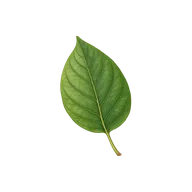
- Confirm leaf shape: Orbicular.
- Confirm flower arrangement: Panicle.
- In season, compare flowering and fruiting time: January-June.
- In India, compare location records such as Tamil Nadu, Maharashtra, Karnataka.
Plant Details
- Scientific name
- Majidea zanguebarica
- Genus
- Majidea
- Family
- Sapindaceae
- Habit
- Tree
- Habitat
- Grown as ornamental tree
- Habitat type
- Cultivated
- Native to
- Tropical Africa
- Found in India
- Tamil Nadu, Maharashtra, Karnataka
- Flowering & fruiting
- January-June
Leaf characters
- Leaf type
- Pinnately compound (leaflets in rows along a stalk)recorded
- Leaf shape
- OrbicularrecordedRounded, roughly circular.“This very ornamental small tree has shiny foliage with an attractive rounded canopy, making it very suitable for small tropical gardens or a container plant in cooler climates.” — Wikipedia, CC BY-SA 4.0
Typical of the family
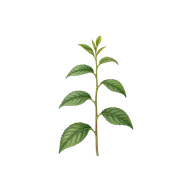

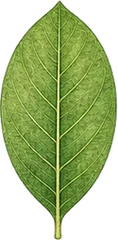
Characters marked “recorded” are for Black Pearl Tree itself; the rest are typical of the Sapindaceae family.
Flower & fruit characters
- Flower arrangement
- PaniclerecordedA branching cluster of clusters.“It blooms with dense clusters of small green-red, fragrant flowers at the end of panicles.” — Wikipedia, CC BY-SA 4.0
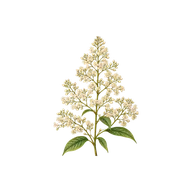
Typical of the family
- Inflorescence
- Panicle
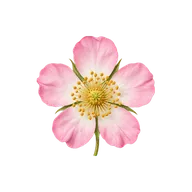
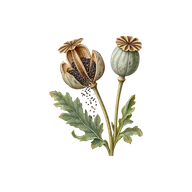
Characters marked “recorded” are for Black Pearl Tree itself; the rest are typical of the Sapindaceae family — flowering plants only.
About Black Pearl Tree
Black Pearl Tree (Majidea zanguebarica) belongs to the Sapindaceae family, where it grows as a tree. In India it has been recorded in Tamil Nadu, Maharashtra and Karnataka. It is grown as ornamental tree. Flowering and fruiting run from January to June.
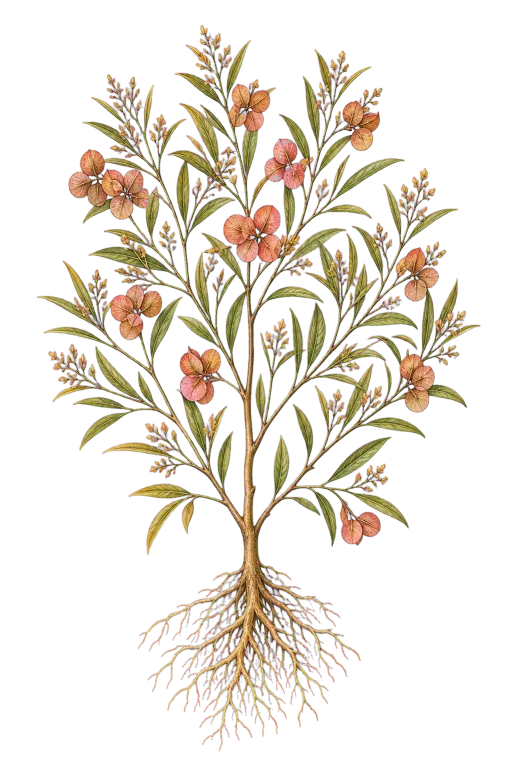
Sapindaceae
Soapberry/Lychee family
Black Pearl Tree belongs to the Sapindaceae family.
The illustration represents the family — not necessarily this exact species.
Explore the Sapindaceae familySnap it. Know it.
Point your camera at Black Pearl Tree or any plant and SASYA identifies it instantly — on-device, offline, and private.
Common plant problems
If you are starting from symptoms instead of a diagnosis, use the plant disease symptom checker to narrow the cause before treating.
All plant problem & care guides