
Ajavain / Ammi
Trachyspermum ammi
- Habit
- Herb
- Found in India
- Arunachal Pradesh, Delhi, Himachal Pradesh & more
- Flowering
- November-April
How to identify Ajavain
Identify Ajavain by combining habit, leaf characters, flower or fruit details, location, and its family pattern. Do not rely on one feature alone.
- Look for a herb habit.
- Check the distinctive field mark: Strong thyme-like aromatic seeds.
- Confirm leaf shape: Deeply feathery/finely divided.
- Confirm flower colour: White.
- Confirm fruit type: Schizocarp.
- In season, compare flowering and fruiting time: November-April.
- In India, compare location records such as Arunachal Pradesh, Delhi, Himachal Pradesh, Jammu & Kashmir and nearby regions.
Plant Details
Leaf characters
- Leaf shape
- Deeply feathery/finely dividedrecorded
Typical of the family
- Arrangement
- Alternate
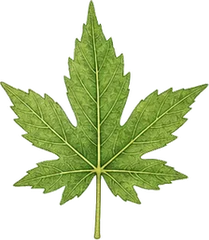
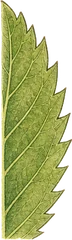
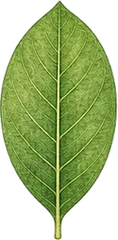
Characters marked “recorded” are for Ajavain itself; the rest are typical of the Apiaceae family.
Flower & fruit characters
- Flower colour
- Whiterecorded
- Fruit type
- SchizocarprecordedA dry fruit that splits apart at maturity into several one-seeded segments.“Ajwain's small, oval, seed-like fruits are pale brown schizocarps, which resemble the seeds of other plants in the family Apiaceae such as caraway, cumin and fennel.” — Wikipedia, CC BY-SA 4.0
Typical of the family
- Flower symmetry
- Actinomorphic (radially symmetrical)
- Inflorescence
- Umbel
- Fruit
- Schizocarp
Characters marked “recorded” are for Ajavain itself; the rest are typical of the Apiaceae family — flowering plants only.
Local Names
- Hindi
- अजवाइन ajavain, अजवायन Ajwain, ajawa, ajwain
- Nepali
- जवानो Javano, ज्वानो
- Bengali
- জোয়ান Jowan, জোয়ান, জৈন
- Tamil
- ஓமம் Omam, ஓமம்
- Telugu
- omaan, vamu, వాము
- Kannada
- ಅಜಮೂಲ, ಅಜಾಮೂಲ Ajamoola, ಅಜಾಮುಲ Ajamula
- Malayalam
- അയമോദകം, ഓമം, Ajwain
- Marathi
- ओवा Ova, ओवा
- Sanskrit
- ajamoda
- Urdu
- اجوائن
About Ajavain
A member of the Apiaceae family, Ammi (Trachyspermum ammi) is a herb. In India it has been recorded in Arunachal Pradesh, Delhi, Himachal Pradesh and 2 other states. Flowering and fruiting run from November to April.
Uses
Parts of this plant are reported as poisonous — treat it as unsafe to eat and wash your hands after handling.
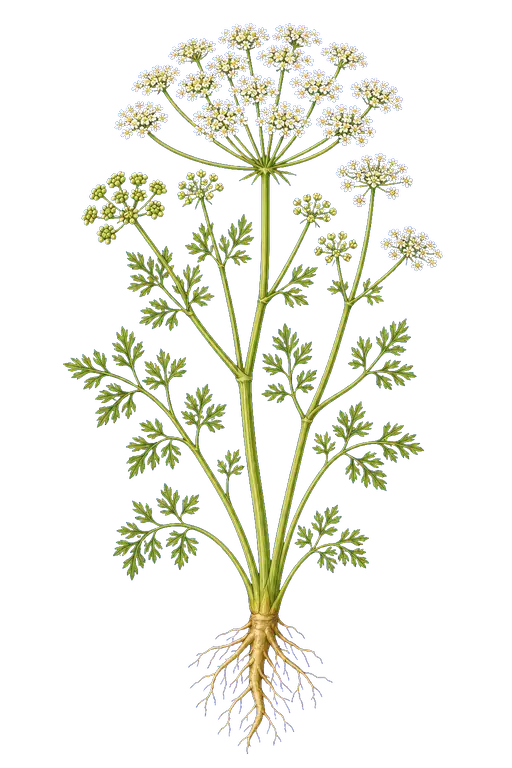
Apiaceae
Carrot family
Ajavain belongs to the Apiaceae family.
The illustration represents the family — not necessarily this exact species.
Explore the Apiaceae familySnap it. Know it.
Point your camera at Ajavain or any plant and SASYA identifies it instantly — on-device, offline, and private.
Common plant problems
If you are starting from symptoms instead of a diagnosis, use the plant disease symptom checker to narrow the cause before treating.
All plant problem & care guides