
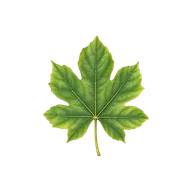
As recorded for Chusan Palm
Trachycarpus fortunei
Chusan Palm
- Found in India
- West Bengal, Jammu & Kashmir, Sikkim & more
Ecology & growing context
- Native status · Kew WCVP
- WCVP records it as introduced in West Himalaya Kew dataset ↗︎
Kew WCVP dataset; accepted-name match. Dataset matching is separate from an individual regional review. Recorded worldwide native range: SC. China to N. Myanmar.
- Explore nearby plants
- West Bengal →Jammu & Kashmir →Sikkim →
Occurrence records show where a plant has been recorded; they do not establish that it is native there. Compare local habitat and growing conditions when choosing plants for a garden.
How to identify Chusan Palm
Identify Chusan Palm by combining habit, leaf characters, flower or fruit details, location, and its family pattern. Do not rely on one feature alone.
- Check the distinctive field mark: Trunk covered in coarse dark fiber, cold-hardy fan palm.
- Confirm leaf type: Palmately compound (fan-shaped fronds).
- Confirm leaf shape: Orbicular.
- Confirm flower arrangement: Panicle.
- Confirm fruit type: Drupe.
- In India, compare location records such as West Bengal, Jammu & Kashmir, Sikkim, Uttar Pradesh and nearby regions.
- Confirm it sits within the Arecaceae family pattern, then compare close relatives before deciding it is Chusan Palm.
Plant Details
- Scientific name
- Trachycarpus fortunei
- Genus
- Trachycarpus
- Family
- Arecaceae
- Found in India
- West Bengal, Jammu & Kashmir, Sikkim, Uttar Pradesh, Uttarakhand
- Conservation status
- Not Evaluated (NE)
Leaf characters
- Leaf type
- Palmately compound (fan-shaped fronds)recorded
- Leaf shape
- OrbicularrecordedRounded, roughly circular.“The leaves have long petioles which are bare except for two rows of small spines, terminating in a rounded fan of numerous leaflets.” — Wikipedia, CC BY-SA 4.0
- Leaf surface
- HirsuterecordedCovered in coarse, stiff, bristly hairs.“The trunk is up to 15–30 cm (6–12 in) diameter, with a very rough texture with the persistent leaf bases clasping the stem as layers of coarse dark grey-brown fibrous material.” — Wikipedia, CC BY-SA 4.0
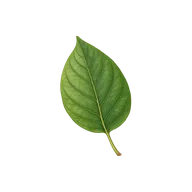
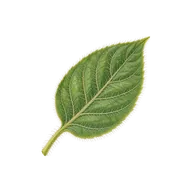
Typical of the family
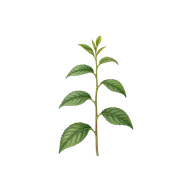


Characters marked “recorded” are for Chusan Palm itself; the rest are typical of the Arecaceae family.
Flower & fruit characters
- Flower arrangement
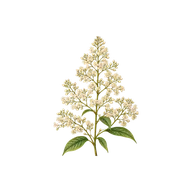
- PaniclerecordedA branching cluster of clusters.“The flowers are yellow (male) and greenish (female), about 2–4 mm (0.1–0.2 in) across, borne in large branched panicles up to 1 m (3 ft) long in spring;” — Wikipedia, CC BY-SA 4.0
- Fruit type
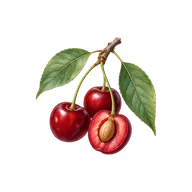
- DruperecordedA fleshy fruit with a single hard stone/pit enclosing the seed.“The fruit is a yellow to blue-black, reniform (kidney-shaped) drupe 10–12 mm (0.4–0.5 in) long, ripening in mid-autumn.” — Wikipedia, CC BY-SA 4.0
Typical of the family
- Inflorescence
- Panicle
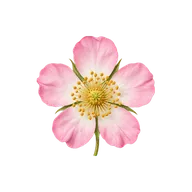
Characters marked “recorded” are for Chusan Palm itself; the rest are typical of the Arecaceae family — flowering plants only.
About Chusan Palm
Chusan Palm (Trachycarpus fortunei) belongs to the Arecaceae family. In India it has been recorded in West Bengal, Jammu & Kashmir, Sikkim and 2 other states.
Uses
It is grown for parts that are eaten, planted as an ornamental and stripped for fibre used in rope and matting.
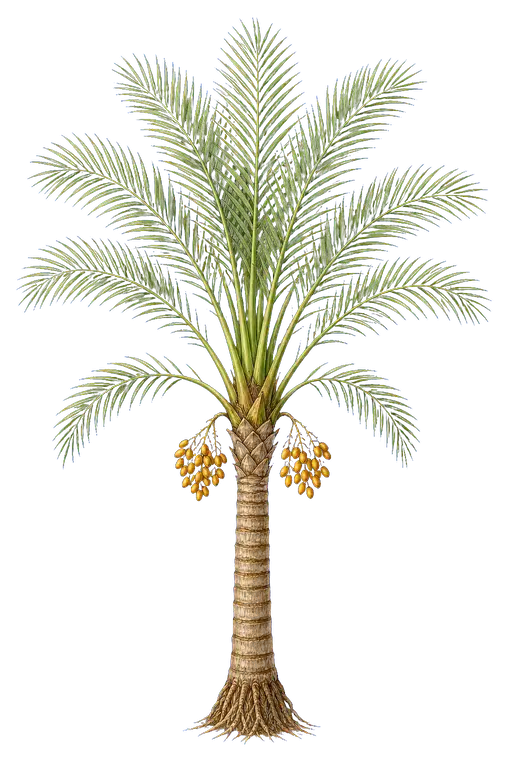
Arecaceae
Palm family
Chusan Palm belongs to the Arecaceae family.
The illustration represents the family — not necessarily this exact species.
Explore the Arecaceae familySnap it. Know it.
Point your camera at Chusan Palm or any plant and SASYA identifies it instantly — on-device, offline, and private.
Common plant problems
If you are starting from symptoms instead of a diagnosis, use the plant disease symptom checker to narrow the cause before treating.
All plant problem & care guides