
Calappa Palm
Actinorhytis calapparia
- Habit
- Palm (Columnar)
- Native to
- New Guinea and Solomon Islands
- Flowering
- November-January
How to identify Calappa Palm
Identify Calappa Palm by combining habit, leaf characters, flower or fruit details, location, and its family pattern. Do not rely on one feature alone.
- Look for a palm (columnar) habit.
- Confirm leaf type: Pinnately compound.
- Confirm leaf shape: Orbicular.
- In season, compare flowering and fruiting time: November-January.
- Confirm it sits within the Arecaceae family pattern, then compare close relatives before deciding it is Calappa Palm.
Plant Details
- Scientific name
- Actinorhytis calapparia
- Genus
- Actinorhytis
- Family
- Arecaceae
- Habit
- Palm (Columnar)
- Habitat
- Planted
- Habitat type
- Cultivated
- Native to
- New Guinea and Solomon Islands
- Flowering & fruiting
- November-January
- Conservation status
- Not Evaluated (NE)
Leaf characters
- Leaf type
- Pinnately compoundrecordedLeaflets are arranged in rows along a central stalk, like a feather.“The leaf crown is sparse but spherical, each arching leaf is around 3 m (10 ft) long with pinnately arranged 45-centimetre (18 in) leaflets which are dark green in colour.” — Wikipedia, CC BY-SA 4.0
- Leaf shape
- OrbicularrecordedRounded, roughly circular.“The leaflets are closely and regularly arranged along the rachis and the abaxially rounded petiole is usually long in youth but shorter in maturity.” — Wikipedia, CC BY-SA 4.0
Typical of the family
- Arrangement
- Alternate
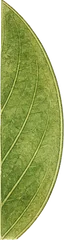

Characters marked “recorded” are for Calappa Palm itself; the rest are typical of the Arecaceae family.
Flower & fruit characters
- Flower symmetry
- Actinomorphic (radially symmetrical)
- Inflorescence
- Panicle
- Fruit
- Drupe
Typical of the Arecaceae family — flowering plants only; individual species can differ.
About Calappa Palm
Calappa Palm (Actinorhytis calapparia) is a single-stemmed palm in the Arecaceae family. It is native to New Guinea and Solomon Islands. It is planted. Flowering and fruiting run from November to January.
Uses
In practice it is long used in traditional medicine. Those medicinal uses are traditional attributions, not medical advice.
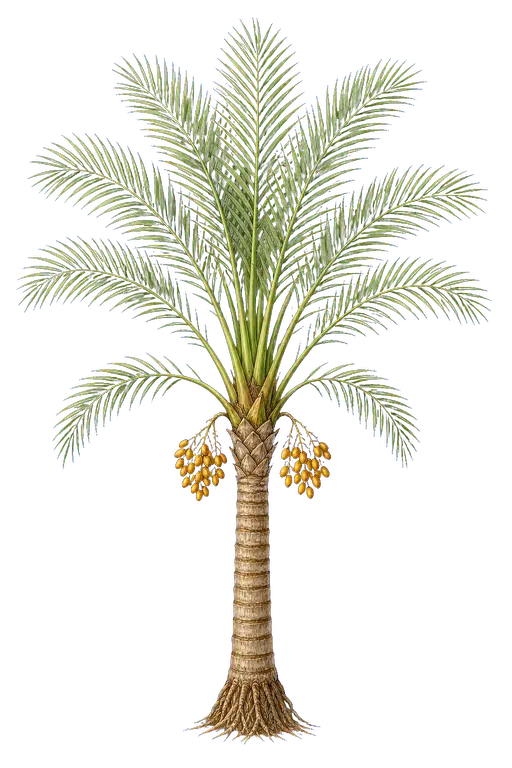
Arecaceae
Palm family
Calappa Palm belongs to the Arecaceae family.
The illustration represents the family — not necessarily this exact species.
Explore the Arecaceae familySnap it. Know it.
Point your camera at Calappa Palm or any plant and SASYA identifies it instantly — on-device, offline, and private.
Common plant problems
If you are starting from symptoms instead of a diagnosis, use the plant disease symptom checker to narrow the cause before treating.
All plant problem & care guides