
Agetha / Indian Headache Tree
Premna serratifolia
- Habit
- Shrub
- Found in India
- Kerala, Maharashtra, Tamil Nadu & more
- Flowering
- January-November
How to identify Agetha
Identify Agetha by combining habit, leaf characters, flower or fruit details, location, and its family pattern. Do not rely on one feature alone.
- Look for a shrub habit.
- Check the distinctive field mark: Unpleasant-smelling foliage (headache tree).
- Confirm leaf arrangement: Opposite.
- Confirm leaf type: Simple.
- Confirm flower colour: White.
- Confirm flower arrangement: Corymb.
- In season, compare flowering and fruiting time: January-November.
Plant Details
- Scientific name
- Premna serratifolia
- Genus
- Premna
- Family
- Verbenaceae
- Habit
- Shrub
- Habitat
- On plains to hills of scrub jungles
- Habitat type
- Scrub
- Distribution
- Indo-Malesia
- Found in India
- Kerala, Maharashtra, Tamil Nadu, Karnataka, Andhra Pradesh, West Bengal, Puducherry, Telangana, Andaman & Nicobar Islands, Goa, Gujarat, Madhya Pradesh, Delhi
- Flowering & fruiting
- January-November
- Conservation status
- Not Evaluated (NE)
Leaf characters
- Leaf arrangement
- OppositerecordedTwo leaves arise from the stem at the same point, facing each other.“Leaves simple, opposite, estipulate;” — Wikipedia, CC BY-SA 4.0
- Leaf type
- SimplerecordedA single, undivided leaf blade.“Leaves simple, opposite, estipulate;” — Wikipedia, CC BY-SA 4.0
- Leaf shape
- EllipticrecordedWidest at the middle, tapering evenly at both ends.“lamina 2.5-8.5 x 2–7.2 cm, elliptic, elliptic-oblong, base acute, obtuse, subcordate or rounded, apex acuminate, mucronate, obtuse, margin entire or subserrate, glabrous above exce” — Wikipedia, CC BY-SA 4.0
- Leaf margin
- EntirerecordedA smooth, unbroken edge with no teeth or notches.“lamina 2.5-8.5 x 2–7.2 cm, elliptic, elliptic-oblong, base acute, obtuse, subcordate or rounded, apex acuminate, mucronate, obtuse, margin entire or subserrate, glabrous above exce” — Wikipedia, CC BY-SA 4.0
- Leaf surface
- PubescentrecordedCovered in short, soft hairs.“petiole 4–14 mm, slender, pubescent, grooved above;” — Wikipedia, CC BY-SA 4.0
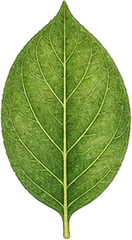
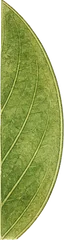
Typical of the family
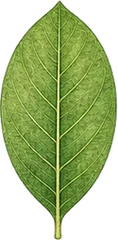
Characters marked “recorded” are for Agetha itself; the rest are typical of the Verbenaceae family.
Flower & fruit characters
- Flower colour
- Whiterecorded
- Flower arrangement
- CorymbrecordedA flat-topped cluster where outer flower stalks are longer than inner ones.“Flowers bisexual, greenish-white, in terminal corymbose panicled cymes;” — Wikipedia, CC BY-SA 4.0
Typical of the family
- Flower symmetry
- Zygomorphic (bilaterally symmetrical)
- Inflorescence
- Cyme
- Fruit
- Drupe
Characters marked “recorded” are for Agetha itself; the rest are typical of the Verbenaceae family — flowering plants only.
Local Names
- Hindi
- अगेथा Agetha, अरणी Arani, मथन Mathan
- Nepali
- गिनेरि Gineri
- Bengali
- ভূত-ভৈরবী Bhuta-Bhairabi, গনিয়ারি Ganiari, গনিয়ারি
- Tamil
- பசுமுன்னை Pacu-Munnai, தலைவலி மரம் Talaivali Maram, பிரெம்னா செர்ராட்டிஃபோலியா
- Telugu
- భైరవి Bhairavi, గబ్బు నెల్లి Gabbunelli, కణిక Kanika
- Kannada
- ಅಗ್ನಿಮಂಥ Agnimantha, ಬಾಚಣಿಗೆ ಮರ Baachanige Mara, ನರವಲು Naravalu
- Malayalam
- അരണി Arani, കോഴിച്ചെടി Kozhichedi, മുഞ്ഞ Munja
- Marathi
- अरणि Arani, गणिकारिका Ganikarika, नरवेल Narvel
About Agetha
Indian Headache Tree (Premna serratifolia) belongs to the Verbenaceae family, where it grows as a shrub. In India it has been recorded in Kerala, Maharashtra, Tamil Nadu and 10 other states. It grows in on plains to hills of scrub jungles. Flowering and fruiting run from January to November.
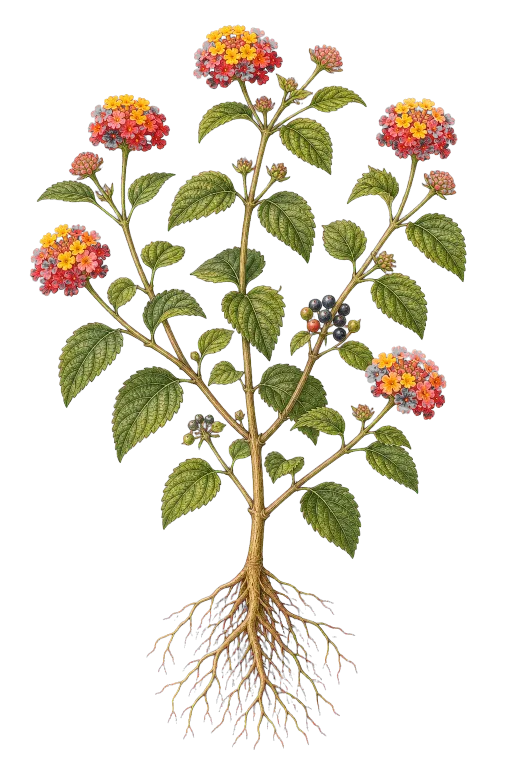
Verbenaceae
Verbena/Teak family
Agetha belongs to the Verbenaceae family.
The illustration represents the family — not necessarily this exact species.
Explore the Verbenaceae familySnap it. Know it.
Point your camera at Agetha or any plant and SASYA identifies it instantly — on-device, offline, and private.
Common plant problems
If you are starting from symptoms instead of a diagnosis, use the plant disease symptom checker to narrow the cause before treating.
All plant problem & care guides