
Badhara / White Teak
Gmelina asiatica
Also known as Asian Bushbeech
- Habit
- Tree
- Found in India
- Karnataka, Tamil Nadu, Andhra Pradesh & more
- Flowering
- May-February
How to identify Badhara
Identify Badhara by combining habit, leaf characters, flower or fruit details, location, and its family pattern. Do not rely on one feature alone.
- Look for a tree habit.
- Check the distinctive field mark: Sometimes spiny branches.
- Confirm flower colour: Yellow.
- In season, compare flowering and fruiting time: May-February.
- In India, compare location records such as Karnataka, Tamil Nadu, Andhra Pradesh, Telangana and nearby regions.
- Confirm it sits within the Verbenaceae family pattern, then compare close relatives before deciding it is Badhara.
Plant Details
- Scientific name
- Gmelina asiatica
- Genus
- Gmelina
- Family
- Verbenaceae
- Habit
- Tree
- Habitat
- Dry deciduous forests and wastelands
- Distribution
- India, Bangladesh, Sri Lanka, Myanmar, Thailand, Malaysia, Indo-China, Indonesia
- Found in India
- Karnataka, Tamil Nadu, Andhra Pradesh, Telangana, Maharashtra, Puducherry
- Flowering & fruiting
- May-February
- Conservation status
- Not Evaluated (NE)
Leaf characters
- Arrangement
- Opposite
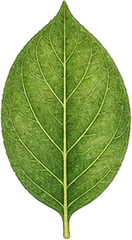
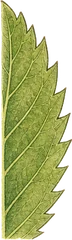
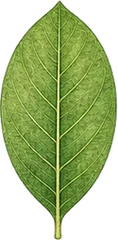
Typical of the Verbenaceae family — a field-mark hint, not measured for this exact species.
Flower & fruit characters
- Flower colour
- Yellowrecorded
Typical of the family
- Flower symmetry
- Zygomorphic (bilaterally symmetrical)
- Inflorescence
- Cyme
- Fruit
- Drupe
Characters marked “recorded” are for Badhara itself; the rest are typical of the Verbenaceae family — flowering plants only.
Local Names
- Hindi
- Badhara
- Tamil
- நிலக் குமிழ் Nilak kumizh, Mulkumizh, குமிழம்
- Telugu
- Kavavagummudu, Peddanelli, Gumadi
- Kannada
- ಗುಲುಡು Guludu, ಶಿವನೆ Shivane, ಶಿವನಿ Shivani
- Malayalam
- Kumil, Mulkumizhu, ചെറുകുമിഴ്
- Marathi
- काळी शिवण Kalishivan
Badhara in India
Gmelina asiatica is a dry-zone shrub or small tree of the Indian subcontinent and Southeast Asia, recorded by SASYA from Karnataka, Tamil Nadu, Andhra Pradesh, Telangana, Maharashtra and Puducherry. Local names include Badhara in Hindi, நிலக் குமிழ் Nilak kumizh / குமிழம் in Tamil, Kavavagummudu / Gumadi in Telugu, Guludu / Shivani in Kannada, Kumil / Mulkumizhu in Malayalam, and काळी शिवण Kalishivan in Marathi.
Uses
It is known in local flora and traditional-use contexts, and is sometimes planted or retained in dry landscapes. Treat medicinal associations as cultural information, not health advice.
How to Identify Badhara
Identify Gmelina asiatica by its dry deciduous habitat, opposite leaves, shrubby to small-tree habit, yellowish flowers often marked with darker tones, and drupe fruit. Compare it with teak-family relatives: the opposite leaves and dry-country habit point toward Verbenaceae/Lamiaceae relatives, but the small tree form and fruiting pattern help separate it from common garden verbena.
How to Keep It Healthy in India
This is not a lush wet-soil ornamental; it suits sun, heat and seasonal dryness. In Indian gardens use a mineral, well-drained soil rather than a rich constantly moist mix. Water young plants through establishment, then allow the soil to dry between deep waterings. Compost at the start of the monsoon is enough for most open-ground plants; too much fertiliser can push weak leafy growth. Growth is strongest in warm months, flowering and fruiting are seasonal, and plants may slow or shed leaves in dry or cooler periods.
Frequently Asked Questions
- Where is Gmelina asiatica found in India?
- SASYA records it from Karnataka, Tamil Nadu, Andhra Pradesh, Telangana, Maharashtra and Puducherry, mostly matching dry deciduous and wasteland habitats.
- How do I identify Gmelina asiatica?
- Look for a dry-country shrub or small tree with opposite leaves, yellowish marked flowers, and drupe fruit.
- Does Gmelina asiatica need rich soil?
- No. It is better matched to well-drained mineral soil with seasonal watering than to heavy, wet, fertiliser-rich potting mixes.
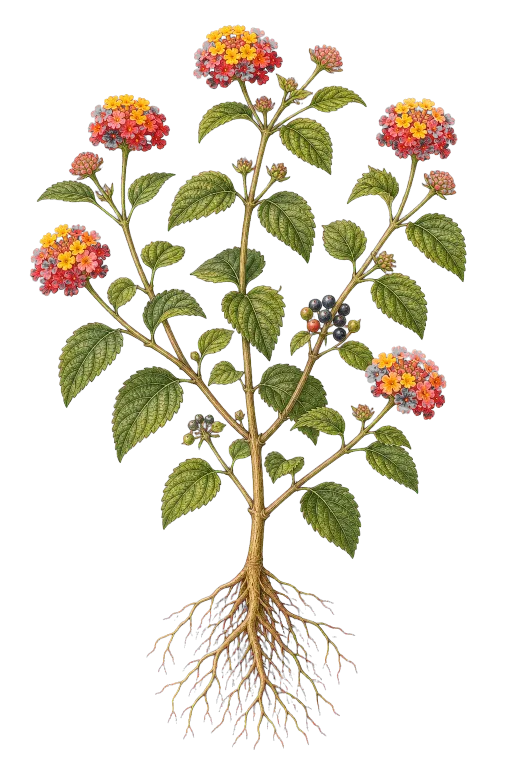
Verbenaceae
Verbena/Teak family
Badhara belongs to the Verbenaceae family.
The illustration represents the family — not necessarily this exact species.
Explore the Verbenaceae familySnap it. Know it.
Point your camera at Badhara or any plant and SASYA identifies it instantly — on-device, offline, and private.
Common plant problems
If you are starting from symptoms instead of a diagnosis, use the plant disease symptom checker to narrow the cause before treating.
All plant problem & care guidesMore in Verbenaceae
View all VerbenaceaeSources: GBIF — Gmelina asiatica (CC BY 4.0) · iNaturalist — Gmelina asiatica (CC BY 4.0)