
Indian Snakewort
Dorstenia indica
- Habit
- Herb
- Found in India
- Tamil Nadu
- Flowering
- February-August
How to identify Indian Snakewort
Identify Indian Snakewort by combining habit, leaf characters, flower or fruit details, location, and its family pattern. Do not rely on one feature alone.
- Look for a herb habit.
- Check the distinctive field mark: Flat disc-shaped inflorescence.
- Confirm leaf arrangement: Alternate.
- Confirm leaf shape: Obovate.
- Confirm flower arrangement: Solitary.
- Confirm fruit type: Achene.
- In season, compare flowering and fruiting time: February-August.
Plant Details
Leaf characters
- Leaf arrangement
- AlternaterecordedOne leaf per node, arranged in a spiral or zigzag up the stem.“Leaves alternate, to 9 x 2.5 cm, obovate or oblanceolate, acute, base attenuate or cuneate, membranous, distantly toothed, sparsely hirsute along the nerves beneath, nerves 8-13 pa” — Wikipedia, CC BY-SA 4.0
- Leaf shape
- ObovaterecordedEgg-shaped but broader near the tip rather than the base.“Leaves alternate, to 9 x 2.5 cm, obovate or oblanceolate, acute, base attenuate or cuneate, membranous, distantly toothed, sparsely hirsute along the nerves beneath, nerves 8-13 pa” — Wikipedia, CC BY-SA 4.0
- Leaf margin
- ToothedrecordedA saw-like or jagged edge (serrate or dentate).“Leaves alternate, to 9 x 2.5 cm, obovate or oblanceolate, acute, base attenuate or cuneate, membranous, distantly toothed, sparsely hirsute along the nerves beneath, nerves 8-13 pa” — Wikipedia, CC BY-SA 4.0
- Leaf surface
- HirsuterecordedCovered in coarse, stiff, bristly hairs.“Leaves alternate, to 9 x 2.5 cm, obovate or oblanceolate, acute, base attenuate or cuneate, membranous, distantly toothed, sparsely hirsute along the nerves beneath, nerves 8-13 pa” — Wikipedia, CC BY-SA 4.0
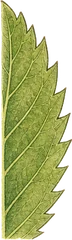
Typical of the family
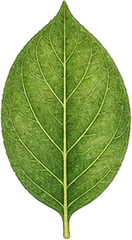

Characters marked “recorded” are for Indian Snakewort itself; the rest are typical of the Moraceae family.
Flower & fruit characters
- Flower arrangement
- SolitaryrecordedA single flower borne alone, not in a cluster.“Inflorescence axillary, solitary.” — Wikipedia, CC BY-SA 4.0
- Fruit type
- AchenerecordedA small, dry, single-seeded fruit that does not split open.“The fruit is a crustaceous achene, sunken, 2 mm.” — Wikipedia, CC BY-SA 4.0
Typical of the family
- Flower symmetry
- Actinomorphic (radially symmetrical)
- Inflorescence
- Catkin
- Fruit
- Drupe
Characters marked “recorded” are for Indian Snakewort itself; the rest are typical of the Moraceae family — flowering plants only.
About Indian Snakewort
Indian Snakewort (Dorstenia indica) is a herb in the Moraceae family. In India it has been recorded in Tamil Nadu. It grows in evergreen forests and wet rocky areas in moist deciduous forests. Flowering and fruiting run from February to August.
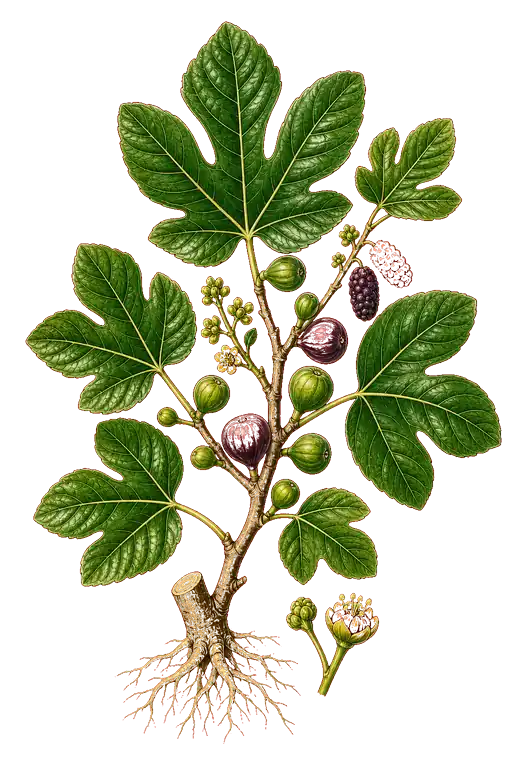
Moraceae
Fig/Mulberry family
Indian Snakewort belongs to the Moraceae family.
The illustration represents the family — not necessarily this exact species.
Explore the Moraceae familySnap it. Know it.
Point your camera at Indian Snakewort or any plant and SASYA identifies it instantly — on-device, offline, and private.
Common plant problems
If you are starting from symptoms instead of a diagnosis, use the plant disease symptom checker to narrow the cause before treating.
All plant problem & care guides