
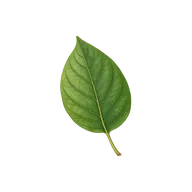
As recorded for Malkangani
Celastrus paniculatus
Malkangani / Black Oil Plant मालकंगनी
Hindi name · See all regional names ↓
Also known as Climbing Staff Plant, Intellect Plant
- Habit
- Liana
- Found in India
- Karnataka, Maharashtra, Tamil Nadu & more
- Flowering
- March-December
Malkangani in regional languages
Find the name you know, then compare it with the botanical profile. Columns list recorded aliases; they are not paired translations. A Latin spelling appears only when it is present in the source record.
| Language | Regional script | Recorded Latin spelling |
|---|---|---|
| Hindi | मालकंगनी · मालकांगनी | Malkangani, malakangani |
| Nepali | खुजुर | Kujur |
| Bengali | Not recorded | kijri, malkangani |
| Tamil | குவரிகுண்டல் · மண்ணைக்கட்டி · வாலுளுவை | Kuvarikuntal, Mannai-k-katti, Valuluvai |
| Telugu | కాసరతీగె · మానెరు · జ్యోతిష్మతి | Kasara-tige, Maneru |
| Kannada | ಭವಂಗಬೀಜ · ಕರಿಗನ್ನೆ · ಕರಿಗೊನ್ನೆ | Bhavanga Beeja, Kariganne, Karigonne |
| Malayalam | പൊലുലവമ് · കിളിതീനിപ്പഞ്ഞി | Polulavam |
| Marathi | कांगुणी · माळकांगोणी · मालकांगोणी | Kanguni, Malkangoni |
See the original recorded names
- Hindi
- मालकंगनी Malkangani,मालकांगनी malakangani
- Nepali
- खुजुर Kujur
- Bengali
- kijri, malkangani
- Tamil
- குவரிகுண்டல் Kuvarikuntal, மண்ணைக்கட்டி Mannai-k-katti, வாலுளுவை Valuluvai
- Telugu
- కాసరతీగె Kasara-tige, మానెరు Maneru, జ్యోతిష్మతి
- Kannada
- ಭವಂಗಬೀಜ Bhavanga Beeja, ಕರಿಗನ್ನೆ Kariganne, ಕರಿಗೊನ್ನೆ Karigonne
- Malayalam
- പൊലുലവമ് Polulavam, കിളിതീനിപ്പഞ്ഞി
- Marathi
- कांगुणी Kanguni, माळकांगोणी Malkangoni, कांगुणी, मालकांगोणी
Ecology & growing context
- Native status · Kew WCVP
- WCVP native range includes Andaman Is., Assam, India, West Himalaya Kew dataset ↗︎
Kew WCVP dataset; accepted-name match. Dataset matching is separate from an individual regional review. Recorded worldwide native range: Indian Subcontinent to S. China and Indo-China.
- Recorded habitat
- Moist deciduous and semi-Evergreen forests
- Explore nearby plants
- Karnataka →Maharashtra →Tamil Nadu →
Occurrence records show where a plant has been recorded; they do not establish that it is native there. Compare local habitat and growing conditions when choosing plants for a garden.
How to identify Malkangani
Identify Malkangani by combining habit, leaf characters, flower or fruit details, location, and its family pattern. Do not rely on one feature alone.
- Look for a liana habit.
- Check the distinctive field mark: Orange capsules split open to show bright red-coated seeds.
- Confirm leaf type: Simple.
- Confirm leaf shape: Obovate.
- In season, compare flowering and fruiting time: March-December.
- In India, compare location records such as Karnataka, Maharashtra, Tamil Nadu, Kerala and nearby regions.
- Confirm it sits within the Celastraceae family pattern, then compare close relatives before deciding it is Malkangani.
Plant Details
- Scientific name
- Celastrus paniculatus
- Genus
- Celastrus
- Family
- Celastraceae
- Habit
- Liana
- Habitat
- Moist deciduous and semi-Evergreen forests
- Habitat type
- Forest
- Distribution
- India, Siam, Indonesia, Myanmar, Malaysia, China, Australia, New Caledonia
- Found in India
- Karnataka, Maharashtra, Tamil Nadu, Kerala, Assam, Rajasthan, Gujarat, Himachal Pradesh, Madhya Pradesh, Meghalaya, Uttarakhand, Chhattisgarh, Punjab, Telangana, Andhra Pradesh, Arunachal Pradesh, Goa, Jammu & Kashmir, Sikkim, Uttar Pradesh
- Flowering & fruiting
- March-December
- Conservation status
- Not Evaluated (NE)
Leaf characters
- Leaf type
- SimplerecordedA single, undivided leaf blade.“The leaves are simple, broad, and oval, obovate or elliptic in shape, with toothed margins.” — Wikipedia, CC BY-SA 4.0
- Leaf shape
- ObovaterecordedEgg-shaped but broader near the tip rather than the base.“The leaves are simple, broad, and oval, obovate or elliptic in shape, with toothed margins.” — Wikipedia, CC BY-SA 4.0
- Leaf margin
- ToothedrecordedA saw-like or jagged edge (serrate or dentate).“The leaves are simple, broad, and oval, obovate or elliptic in shape, with toothed margins.” — Wikipedia, CC BY-SA 4.0
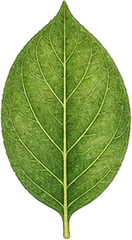
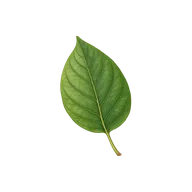
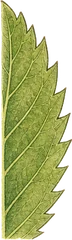
Typical of the family
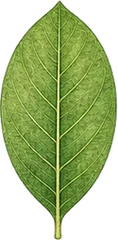
Characters marked “recorded” are for Malkangani itself; the rest are typical of the Celastraceae family.
Flower & fruit characters
- Inflorescence
- Cyme
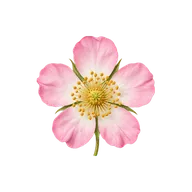
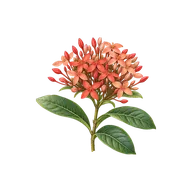
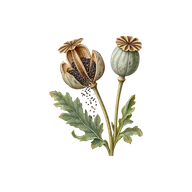
Typical of the Celastraceae family — flowering plants only; individual species can differ.
About Malkangani
Black oil plant (Celastrus paniculatus) belongs to the Celastraceae family, where it grows as a woody climber. In India it has been recorded in Karnataka, Maharashtra, Tamil Nadu and 17 other states. It grows in moist deciduous and semi-Evergreen forests. Flowering and fruiting run from March to December.
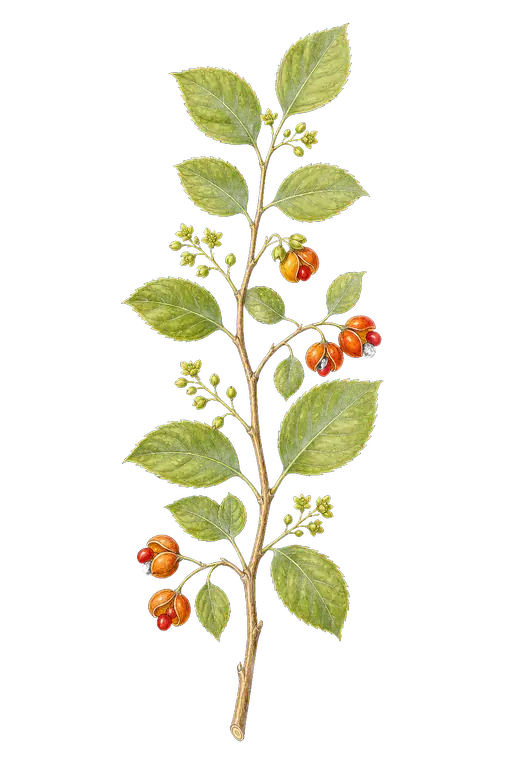
Celastraceae
Staff-Tree Family
Malkangani belongs to the Celastraceae family.
The illustration represents the family — not necessarily this exact species.
Explore the Celastraceae familySnap it. Know it.
Point your camera at Malkangani or any plant and SASYA identifies it instantly — on-device, offline, and private.
Common plant problems
If you are starting from symptoms instead of a diagnosis, use the plant disease symptom checker to narrow the cause before treating.
All plant problem & care guides