
Brassicaceae
Mustard family
Herbs with 4-petalled cross-shaped flowers and 6 stamens (4 long, 2 short). Includes mustard, cabbage, radish, and turnip. Characteristic pod (silique) fruit.
Browse all 8 species ↓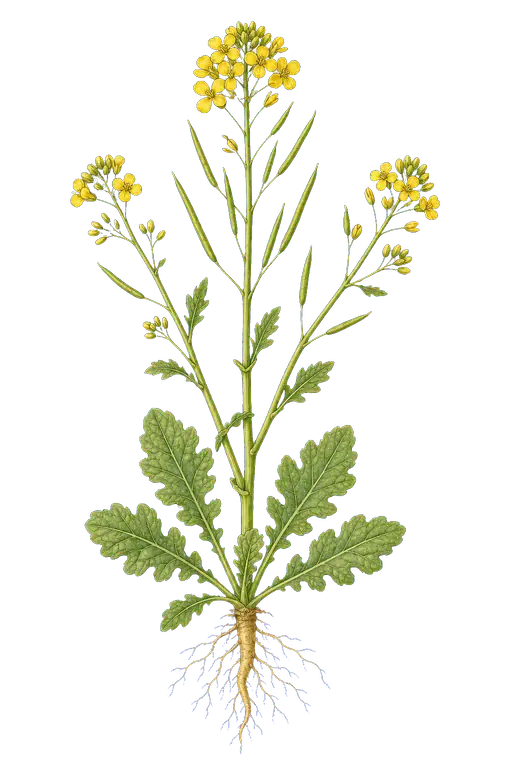
Alternate leaves on herbs with a pungent, mustard-oil taste; flowers are unmistakably cross-shaped with four petals set at right angles and six stamens (four long, two short), ripening into an elongated pod that splits from the base to release seeds from a persistent central partition.
The characteristic sulphur-containing glucosinolate compounds behind mustard's pungency are the same chemical family responsible for wasabi's heat and cabbage's sharp smell when cooked.
Which Brassicaceae species is this?
Answer what you can see and narrow it down to a single Brassicaceae species.
How to recognise the Brassicaceae family
- 01
Leaf arrangement: alternate
- 02
Leaf type: simple/pinnate
- 03
Growth forms: herb
- 04
Inflorescence: raceme/corymb
- 05
Fruit: silique/silicle
To check whether a plant belongs to Brassicaceae, compare the leaf arrangement, leaf type, flower symmetry, fruit type, and one distinctive marker together. A single feature can mislead; the family pattern is the combination.
Learn the full family-identification methodTypical leaf characters
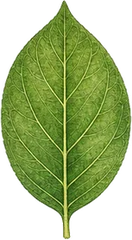
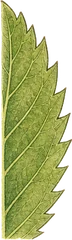

Characters typical of the family — individual species can vary.
Typical flower & fruit
- Flower symmetryActinomorphic (radially symmetrical)
- InflorescenceRaceme
- FruitCapsule
Typical of the family — flowering plants only; species can vary.
Notable members
Families that can look similar
Capparaceae
Compare against Capparaceae when the plant shares similar leaves, flowers, or fruit. Confirm by checking the full family pattern.
Compare CapparaceaeMoringaceae
Compare against Moringaceae when the plant shares similar leaves, flowers, or fruit. Confirm by checking the full family pattern.
Compare MoringaceaeEuphorbiaceae
Compare against Euphorbiaceae when the plant shares similar leaves, flowers, or fruit. Confirm by checking the full family pattern.
Compare EuphorbiaceaePhyllanthaceae
Compare against Phyllanthaceae when the plant shares similar leaves, flowers, or fruit. Confirm by checking the full family pattern.
Compare PhyllanthaceaeAll 8 species in BRASSICACEAE
- Mustard, Common Indian Mustard, Chinese Mustard, Brown MustardBrassica juncea
- Field MustardBrassica rapa
- Hairy BittercressCardamine hirsuta
- Yellow Bitter CressCardamine trichocarpa
- Garden Cress, Water Cress, Garden Pepper-GrassLepidium sativum
- Sweet AlyssumLobularia maritima
- Hoary StockMatthiola incana
- Wild MustardRorippa indica
Identify any Brassicaceae plant in seconds
Point your camera and SASYA names the species on-device — offline and private.
Download SASYA — Free