
Pallikkarputu / Chikurmanis
Sauropus androgynus
Also known as Sauropus
- Habit
- Shrub
- Found in India
- Arunachal Pradesh, Meghalaya, West Bengal
- Flowering
- August-December
How to identify Pallikkarputu
Identify Pallikkarputu by combining habit, leaf characters, flower or fruit details, location, and its family pattern. Do not rely on one feature alone.
- Look for a shrub habit.
- Check the distinctive field mark: Leaves eaten as a vegetable (chekur manis).
- Confirm leaf margin: Entire (smooth edge).
- Confirm leaf surface: Glabrous (smooth, hairless).
- Confirm flower colour: Green.
- In season, compare flowering and fruiting time: August-December.
- In India, compare location records such as Arunachal Pradesh, Meghalaya, West Bengal.
Plant Details
- Scientific name
- Sauropus androgynus
- Genus
- Sauropus
- Family
- Euphorbiaceae
- Habit
- Shrub
- Distribution
- Indo-Malaya
- Found in India
- Arunachal Pradesh, Meghalaya, West Bengal
- Flowering & fruiting
- August-December
- Conservation status
- Not Evaluated (NE)
Leaf characters
- Leaf margin
- Entire (smooth edge)recorded
- Leaf surface
- Glabrous (smooth, hairless)recorded
Typical of the family
- Arrangement
- Alternate
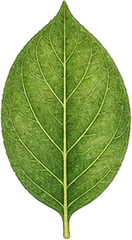

Characters marked “recorded” are for Pallikkarputu itself; the rest are typical of the Euphorbiaceae family.
Flower & fruit characters
- Flower colour
- GreenrecordedGreen or greenish
Typical of the family
- Flower symmetry
- Actinomorphic (radially symmetrical)
- Inflorescence
- Cyme
- Fruit
- Capsule
Characters marked “recorded” are for Pallikkarputu itself; the rest are typical of the Euphorbiaceae family — flowering plants only.
Local Names
- Tamil
- Pallikkarputu, Thavasi Keerai
- Kannada
- ಚಕ್ರಾನೀ Chakraani, ಚಕ್ರಮುನಿ Chakramuni, ಚಕ್ರಮುನಿ
- Malayalam
- Madhuracheera, Cucurumanicheera, മലയച്ചീര
About Pallikkarputu
Chikurmanis (Sauropus androgynus) belongs to the Euphorbiaceae family, where it grows as a shrub. In India it has been recorded in Arunachal Pradesh, Meghalaya and West Bengal. Flowering and fruiting run from August to December.
Uses
It is grown for parts that are eaten.
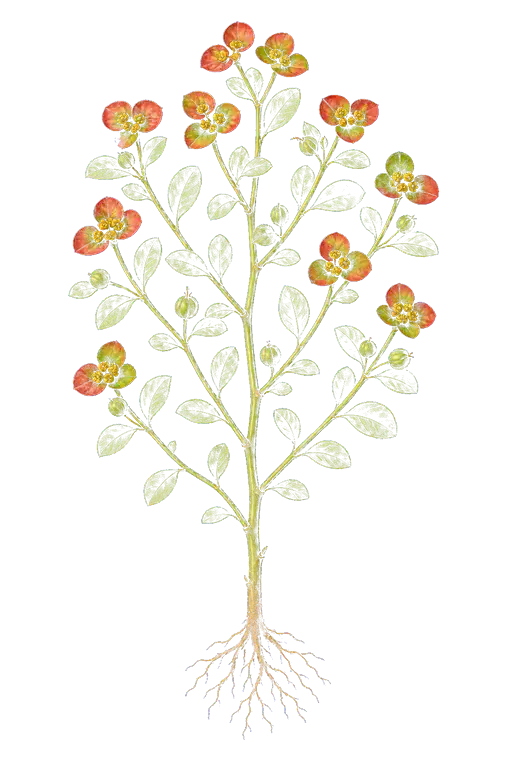
Euphorbiaceae
Spurge/Euphorbia family
Pallikkarputu belongs to the Euphorbiaceae family.
The illustration represents the family — not necessarily this exact species.
Explore the Euphorbiaceae familySnap it. Know it.
Point your camera at Pallikkarputu or any plant and SASYA identifies it instantly — on-device, offline, and private.
Common plant problems
If you are starting from symptoms instead of a diagnosis, use the plant disease symptom checker to narrow the cause before treating.
All plant problem & care guides