
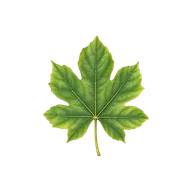
As recorded for Lady Palm
Rhapis excelsa
Lady Palm
- Habit
- Cluster Palm
- Found in India
- Andhra Pradesh, Karnataka, Uttarakhand & more
- Flowering
- Throughout the year
Lady Palm at a glance
Source-linked growing guidance. Adjust care to your climate, season and growing conditions. Unrecorded values are shown explicitly.
- Sunlight
- Partial to deep shade; indoor plants do well in shade. Rhapis excelsa, NC State Extension Gardener Plant Toolbox ↗︎Checked
- Water & soil moisture
- Regular watering, reduced in winter; well-drained potting soil. Rhapis excelsa, NC State Extension Gardener Plant Toolbox ↗︎Checked
- Pot & placement
- Not yet verified Research in progress
- Pet safety
- Not yet verified No safety rating recorded
Water needs are conditional; these cards do not prescribe a fixed watering interval. Review dates belong to the individual source records.
Growing context & reported issues
Published observations about growing settings, size and common problems. These are context for a plant profile, rather than a diagnosis of the plant in front of you.
Growing setting
Grown as a houseplant and container or patio plant; bring in below 10 C.
Reported size
1.2-3.7 m tall, 1.8-4.6 m wide.
Reported pests & problems
Susceptible to mites, mealybugs, scales and thrips; mild leaf spot sometimes.
Ecology & growing context
- Native status · Kew WCVP
- WCVP records it as introduced in Assam Kew dataset ↗︎
Kew WCVP dataset; accepted-name match. Dataset matching is separate from an individual regional review. Recorded worldwide native range: China (Guangdong) to NC. Vietnam.
- Explore nearby plants
- Andhra Pradesh →Karnataka →Uttarakhand →
Occurrence records show where a plant has been recorded; they do not establish that it is native there. Compare local habitat and growing conditions when choosing plants for a garden.
How to identify Lady Palm
Identify Lady Palm by combining habit, leaf characters, flower or fruit details, location, and its family pattern. Do not rely on one feature alone.
- Look for a cluster palm habit.
- Check the distinctive field mark: Clustering dwarf fan palm, popular houseplant.
- Confirm leaf type: Palmately compound (fan-shaped fronds).
- Confirm leaf margin: Toothed.
- Confirm flower colour: Yellow.
- In season, compare flowering and fruiting time: Throughout the year.
- In India, compare location records such as Andhra Pradesh, Karnataka, Uttarakhand, Gujarat and nearby regions.
Plant Details
- Scientific name
- Rhapis excelsa
- Genus
- Rhapis
- Family
- Arecaceae
- Habit
- Cluster Palm
- Native to
- China and Japan
- Found in India
- Andhra Pradesh, Karnataka, Uttarakhand, Gujarat, Tamil Nadu, Bihar, Kerala, Maharashtra, Delhi, Uttar Pradesh, West Bengal, Assam, Chhattisgarh
- Flowering & fruiting
- Throughout the year
- Conservation status
- Not Evaluated (NE)
Leaf characters
- Leaf type
- Palmately compound (fan-shaped fronds)recorded
- Leaf margin
- ToothedrecordedA saw-like or jagged edge (serrate or dentate).“Leaf-ends are saw-toothed unlike most other palms, occurring on slender petioles ranging from 20 to 60 cm (0.8 to 2.4 inches) in length.” — Wikipedia, CC BY-SA 4.0
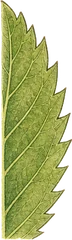
Typical of the family
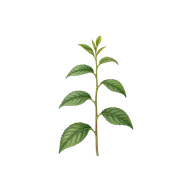

Characters marked “recorded” are for Lady Palm itself; the rest are typical of the Arecaceae family.
Flower & fruit characters
- Flower colour
- Yellowrecorded“This usually dioecious palm species produces a small inflorescence at the top of the plant with spirally-arranged, fleshy yellow flowers containing three petals fused at the base.” — Wikipedia, CC BY-SA 4.0
Typical of the family
- Inflorescence
- Panicle
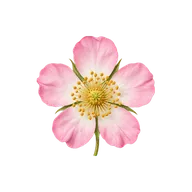
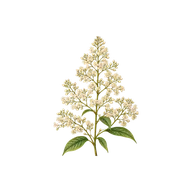
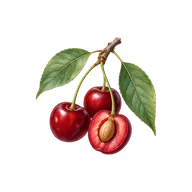
Characters marked “recorded” are for Lady Palm itself; the rest are typical of the Arecaceae family — flowering plants only.
About Lady Palm
Lady Palm (Rhapis excelsa) is a species in the Arecaceae family. In India it has been recorded in Andhra Pradesh, Karnataka, Uttarakhand and 10 other states. It flowers and fruits through much of the year.
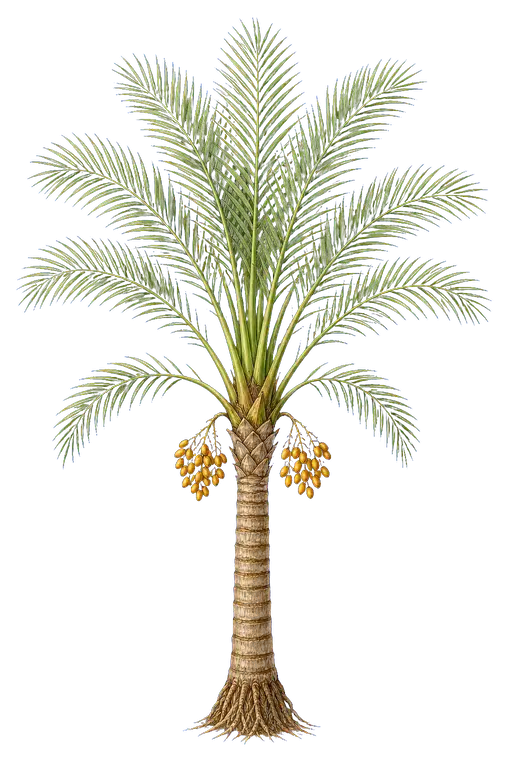
Arecaceae
Palm family
Lady Palm belongs to the Arecaceae family.
The illustration represents the family — not necessarily this exact species.
Explore the Arecaceae familySnap it. Know it.
Point your camera at Lady Palm or any plant and SASYA identifies it instantly — on-device, offline, and private.
Common plant problems
If you are starting from symptoms instead of a diagnosis, use the plant disease symptom checker to narrow the cause before treating.
All plant problem & care guides