
Dholi Dudhi / Trellis Vine
Pergularia daemia
- Habit
- Climber
- Found in India
- Maharashtra, Tamil Nadu, Gujarat & more
- Flowering
- August-March
How to identify Dholi Dudhi
Identify Dholi Dudhi by combining habit, leaf characters, flower or fruit details, location, and its family pattern. Do not rely on one feature alone.
- Look for a climber habit.
- Check the distinctive field mark: Spiny seed pods, hairy vine (trellis vine).
- Confirm leaf arrangement: Opposite.
- Confirm leaf shape: Ovate.
- Confirm flower colour: White.
- Confirm flower arrangement: Cyme.
- In season, compare flowering and fruiting time: August-March.
Plant Details
- Scientific name
- Pergularia daemia
- Genus
- Pergularia
- Family
- Asclepiadaceae
- Habit
- Climber
- Habitat
- Scrub and open deciduous forests
- Distribution
- Tropical Africa, India, Tropical Himalayas, Myanmar, Malaysia, Sri Lanka
- Found in India
- Maharashtra, Tamil Nadu, Gujarat, Rajasthan, Karnataka, Telangana, Andhra Pradesh, West Bengal, Madhya Pradesh, Delhi, Odisha, Chhattisgarh, Himachal Pradesh, Uttar Pradesh, Jammu & Kashmir, Uttarakhand
- Flowering & fruiting
- August-March
- Conservation status
- Not Evaluated (NE)
Leaf characters
- Leaf arrangement
- OppositerecordedTwo leaves arise from the stem at the same point, facing each other.“The opposite and broadly ovate to suborbicular leaves are very variable in size, with petioles of varying length.” — Wikipedia, CC BY-SA 4.0
- Leaf shape
- OvaterecordedEgg-shaped, broader near the base.“The opposite and broadly ovate to suborbicular leaves are very variable in size, with petioles of varying length.” — Wikipedia, CC BY-SA 4.0
- Leaf surface
- PubescentrecordedCovered in short, soft hairs.“The leaves are almost glabrous above and velvety below.” — Wikipedia, CC BY-SA 4.0
Typical of the family
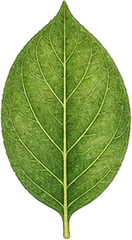
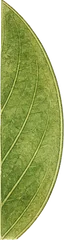
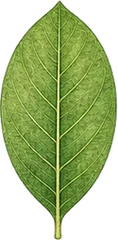
Characters marked “recorded” are for Dholi Dudhi itself; the rest are typical of the Asclepiadaceae family.
Flower & fruit characters
- Flower colour
- Whiterecorded
- Flower arrangement
- CymerecordedA branched cluster where the central/terminal flower opens first.“In the northern hemisphere the flowers appear from mid to late winter, and these are carried on lateral cymes.” — Wikipedia, CC BY-SA 4.0
Typical of the family
- Flower symmetry
- Actinomorphic (radially symmetrical)
- Inflorescence
- Cyme
- Fruit
- Follicle
Characters marked “recorded” are for Dholi Dudhi itself; the rest are typical of the Asclepiadaceae family — flowering plants only.
Local Names
- Hindi
- ढोली दूधी Dholi dudhi, गडरिया की बेल Gadaria ki bel, Jhutuk, Utaran
- Nepali
- बिच्कानी लहरो Bichkaanee laharo, दुरे Dure
- Bengali
- অজশৃঙ্গী Ajasrngi, ছাগলবটি Chagalabati, দুধিলতা Dudhilata, Chagalbati
- Tamil
- வேலிபருத்தி Veli-p-parutti, Uttamani, வேலிபருத்தி
- Telugu
- చేబీర Chebira, దుష్టపు చెట్టు Dustapu chettu, గురుటి చెట్టు Guruti chettu
- Kannada
- ಬೇಲಿ ಹತ್ತಿ Beli hatthi, ಹಾಲು ಕೊರಟಿಗೆ Haalu koratige, ಜುಟ್ಟುವೆಬಳ್ಳಿ Juttuve balli, Halokoratige
- Malayalam
- വേലിപ്പരുത്തി Velipparuthi, Veliparatti
- Marathi
- मेंढा दुधी Menda dudhi, उतरण Utharana, Utarn
- Sanskrit
- Uttamarani
- Odia
- Utrali
- Punjabi
- Karial
About Dholi Dudhi
Trellis Vine (Pergularia daemia) belongs to the Asclepiadaceae family, where it grows as a climber. In India it has been recorded in Maharashtra, Tamil Nadu, Gujarat and 13 other states. It grows in scrub and open deciduous forests. Flowering and fruiting run from August to March.
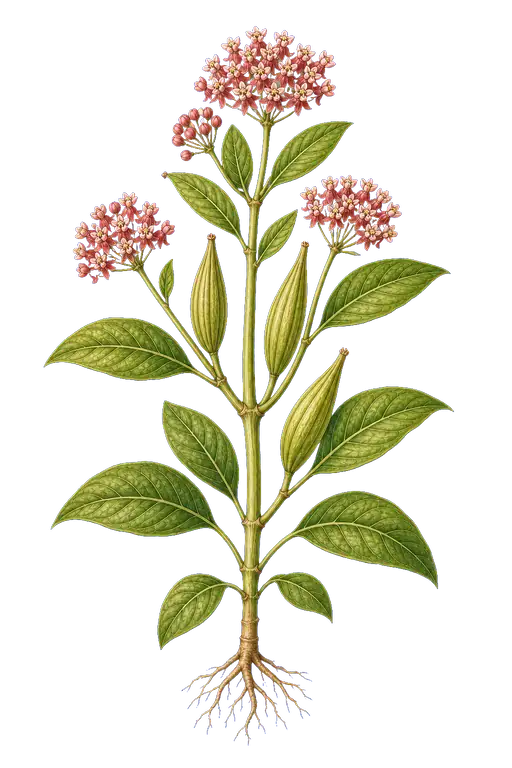
Asclepiadaceae
Milkweed Family
Dholi Dudhi belongs to the Asclepiadaceae family.
The illustration represents the family — not necessarily this exact species.
Explore the Asclepiadaceae familySnap it. Know it.
Point your camera at Dholi Dudhi or any plant and SASYA identifies it instantly — on-device, offline, and private.
Common plant problems
If you are starting from symptoms instead of a diagnosis, use the plant disease symptom checker to narrow the cause before treating.
All plant problem & care guides