
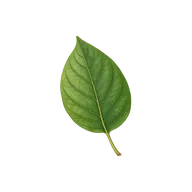
Typical of the Asclepiadaceae family
Pentatropis capensis
Ambarvel / Small-Leaf Milkweed अम्बरवेल
Hindi name · See all regional names ↓
- Habit
- Climber
- Found in India
- West Bengal, Karnataka, Maharashtra & more
- Flowering
- March-November
Ambarvel in regional languages
Find the name you know, then compare it with the botanical profile. Columns list recorded aliases; they are not paired translations. A Latin spelling appears only when it is present in the source record.
| Language | Regional script | Recorded Latin spelling |
|---|---|---|
| Hindi | अम्बरवेल | Ambarvel |
| Bengali | পঞ্চবৃতি লতা | Panchabrti Lata |
| Tamil | ஈர்கொல்லி · உப்பிலி · உப்பிலாங்கொடி | Irkolli, Uppili |
| Kannada | ಉಪ್ಪಿಲಿ ಬಳ್ಳಿ · ಕೊರಕಂಚಿ | Uppili Balli, Korakanchi |
| Malayalam | പർപ്പരം | Parpparam |
| Marathi | परपरम · शींग्रोटा | Parparam, Shingrota |
See the original recorded names
- Hindi
- अम्बरवेल Ambarvel
- Bengali
- পঞ্চবৃতি লতা Panchabrti Lata, পঞ্চবৃতি লতা
- Tamil
- ஈர்கொல்லி Irkolli, உப்பிலி Uppili, உப்பிலாங்கொடி
- Kannada
- ಉಪ್ಪಿಲಿ ಬಳ್ಳಿ Uppili Balli, ಕೊರಕಂಚಿ Korakanchi
- Malayalam
- പർപ്പരം Parpparam
- Marathi
- परपरम Parparam, शींग्रोटा Shingrota
Ecology & growing context
- Native status · Kew WCVP
- WCVP native range includes India Kew dataset ↗︎
Kew WCVP dataset; accepted-name match. Dataset matching is separate from an individual regional review. Recorded worldwide native range: Indian Subcontinent.
- Recorded habitat
- Deciduous forests
- Explore nearby plants
- West Bengal →Karnataka →Maharashtra →
Occurrence records show where a plant has been recorded; they do not establish that it is native there. Compare local habitat and growing conditions when choosing plants for a garden.
How to identify Ambarvel
Identify Ambarvel by combining habit, leaf characters, flower or fruit details, location, and its family pattern. Do not rely on one feature alone.
- Look for a climber habit.
- Check the distinctive field mark: Small leaves.
- Confirm leaf shape: Broad oval, small.
- Confirm flower colour: Yellow-green.
- In season, compare flowering and fruiting time: March-November.
- In India, compare location records such as West Bengal, Karnataka, Maharashtra, Rajasthan and nearby regions.
- Confirm it sits within the Asclepiadaceae family pattern, then compare close relatives before deciding it is Ambarvel.
Plant Details
- Scientific name
- Pentatropis capensis
- Genus
- Pentatropis
- Family
- Asclepiadaceae
- Habit
- Climber
- Habitat
- Deciduous forests
- Habitat type
- Forest
- Distribution
- Pakistan, India, Sri Lanka, Iran
- Found in India
- West Bengal, Karnataka, Maharashtra, Rajasthan, Andhra Pradesh, Madhya Pradesh, Punjab
- Flowering & fruiting
- March-November
- Conservation status
- Not Evaluated (NE)
Leaf characters
- Leaf shape
- Broad oval, smallrecorded
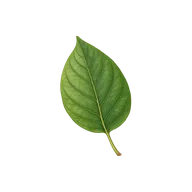
Typical of the family
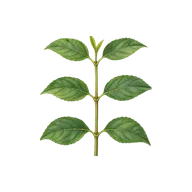
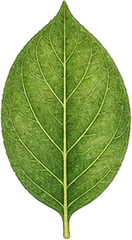
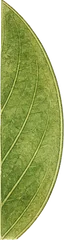
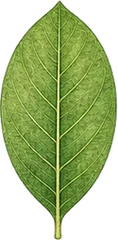
Characters marked “recorded” are for Ambarvel itself; the rest are typical of the Asclepiadaceae family.
Flower & fruit characters
- Flower colour
- Yellow-greenrecorded
Typical of the family
- Inflorescence
- Cyme
- Fruit
- Follicle
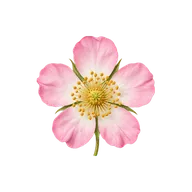
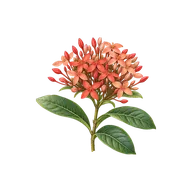
Characters marked “recorded” are for Ambarvel itself; the rest are typical of the Asclepiadaceae family — flowering plants only.
About Ambarvel
Small-Leaf Milkweed (Pentatropis capensis) is a climber in the Asclepiadaceae family. In India it has been recorded in West Bengal, Karnataka, Maharashtra and 4 other states. It grows in deciduous forests. Flowering and fruiting run from March to November.
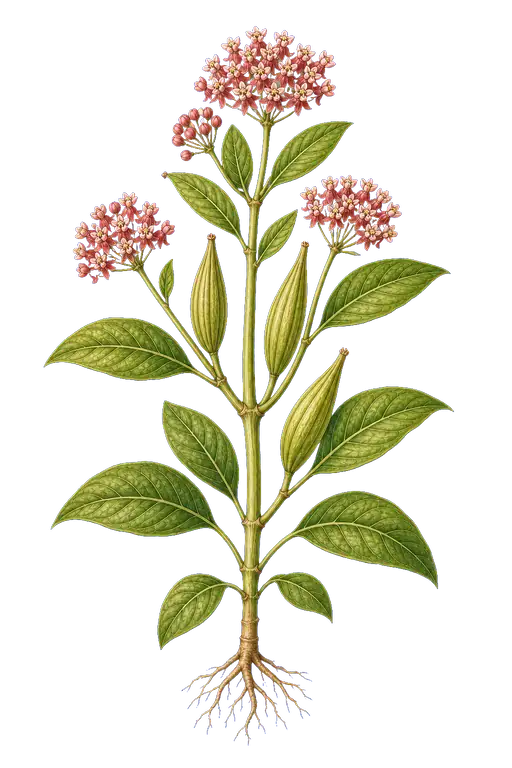
Asclepiadaceae
Milkweed Family
Ambarvel belongs to the Asclepiadaceae family.
The illustration represents the family — not necessarily this exact species.
Explore the Asclepiadaceae familySnap it. Know it.
Point your camera at Ambarvel or any plant and SASYA identifies it instantly — on-device, offline, and private.
Common plant problems
If you are starting from symptoms instead of a diagnosis, use the plant disease symptom checker to narrow the cause before treating.
All plant problem & care guides