
Gurmar / Periploca Of The Woods
Gymnema sylvestre
Also known as Sugar Killer Vine, Small Indian Ipecac, Gymnema
- Habit
- Liana
- Found in India
- Karnataka, Maharashtra, Telangana & more
- Flowering
- August-March
How to identify Gurmar
Identify Gurmar by combining habit, leaf characters, flower or fruit details, location, and its family pattern. Do not rely on one feature alone.
- Look for a liana habit.
- Check the distinctive field mark: Leaves used medicinally to suppress sweet taste (sugar destroyer).
- Confirm leaf shape: Broad oval.
- Confirm flower colour: Yellow.
- Confirm flower arrangement: Umbel.
- In season, compare flowering and fruiting time: August-March.
- In India, compare location records such as Karnataka, Maharashtra, Telangana, Rajasthan and nearby regions.
Plant Details
- Scientific name
- Gymnema sylvestre
- Genus
- Gymnema
- Family
- Asclepiadaceae
- Habit
- Liana
- Habitat
- Scrub jungles and hill slopes to 800m on thickets, by shola borders
- Distribution
- India, Sri Lanka, tropical Africa
- Found in India
- Karnataka, Maharashtra, Telangana, Rajasthan, Tamil Nadu, Madhya Pradesh, Gujarat, West Bengal, Andhra Pradesh, Uttarakhand
- Flowering & fruiting
- August-March
- Conservation status
- Not Evaluated (NE)
Leaf characters
- Leaf shape
- Broad ovalrecorded
Typical of the family
- Arrangement
- Opposite
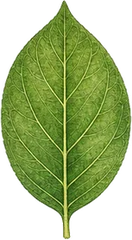


Characters marked “recorded” are for Gurmar itself; the rest are typical of the Asclepiadaceae family.
Flower & fruit characters
- Flower colour
- Yellowrecorded“It has a small, yellow, umbelliferous inflorescence that is produced throughout the year.” — Wikipedia, CC BY-SA 4.0
- Flower arrangement
- UmbelrecordedFlower stalks all radiate from a single point, like umbrella ribs.“It has a small, yellow, umbelliferous inflorescence that is produced throughout the year.” — Wikipedia, CC BY-SA 4.0
Typical of the family
- Flower symmetry
- Actinomorphic (radially symmetrical)
- Inflorescence
- Cyme
- Fruit
- Follicle
Characters marked “recorded” are for Gurmar itself; the rest are typical of the Asclepiadaceae family — flowering plants only.
Local Names
- Hindi
- गुड़मार gurmar
- Bengali
- মেষশৃঙ্গ meshashrunga
- Tamil
- சிறுகுறிஞ்சா cirukurinca, கோகிலம் kokilam
- Telugu
- పొడపత్రి podapatri
- Kannada
- ಮಧುನಾಶಿನಿ madhunashini, ಸಪ್ಪೆ ಸೊಪ್ಪು sappe soppu
- Malayalam
- ചക്കരക്കൊല്ലി cakkarakkolli, മധുനാശിനി madhunashini
- Marathi
- बेडकीचा पाला bedakicha pala, गुडमार gudmar, कावळी kavali
Gurmar in India
This climbing vine, known as गुड़मार gurmar (Hindi), சிறுகுறிஞ்சா cirukurinca (Tamil), పొడపత్రి podapatri (Telugu), ಮಧುನಾಶಿನಿ madhunashini (Kannada), ചക്കരക്കൊല്ലി cakkarakkolli (Malayalam), बेडकीचा पाला bedakicha pala (Marathi), is famous for a taste effect its leaves have on sweetness perception. Gymnema sylvestre is found across Karnataka, Maharashtra, Telangana, Rajasthan, Tamil Nadu, Madhya Pradesh, typically climbing through dry forest and scrub.
Uses
Its leaves have a long history of traditional Ayurvedic use, and chewing a fresh leaf is well known to temporarily suppress the ability to taste sweetness — an attributed traditional effect, not a medical claim.
How to Identify Gurmar
A slender, woody-based climbing vine with opposite, oval leaves and fine tendrils. Small, inconspicuous yellowish flower clusters form at the leaf axils, followed by narrow, pointed follicle pods.
Frequently Asked Questions
- What is Periploca of the woods called in different Indian languages?
- गुड़मार gurmar (Hindi); சிறுகுறிஞ்சா cirukurinca (Tamil); పొడపత్రి podapatri (Telugu); ಮಧುನಾಶಿನಿ madhunashini (Kannada); ചക്കരക്കൊല്ലി cakkarakkolli (Malayalam); बेडकीचा पाला bedakicha pala (Marathi); মেষশৃঙ্গ meshashrunga (Bengali).
- Why is it called 'sugar destroyer'?
- Chewing a fresh leaf is well documented to temporarily block the tongue's ability to taste sweetness, which is the origin of its Hindi name gurmar.
- How long does the taste effect last?
- The temporary suppression of sweet taste typically lasts from a few minutes up to an hour or so after chewing a fresh leaf, wearing off gradually.
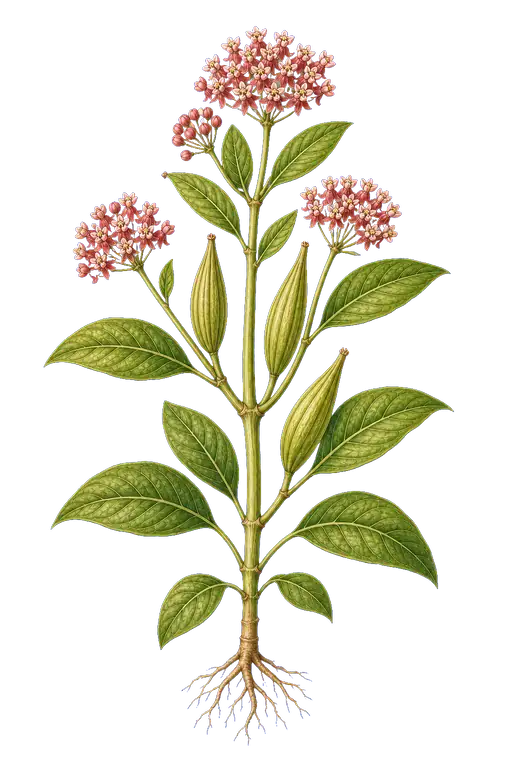
Asclepiadaceae
Milkweed Family
Gurmar belongs to the Asclepiadaceae family.
The illustration represents the family — not necessarily this exact species.
Explore the Asclepiadaceae familySnap it. Know it.
Point your camera at Gurmar or any plant and SASYA identifies it instantly — on-device, offline, and private.
Common plant problems
If you are starting from symptoms instead of a diagnosis, use the plant disease symptom checker to narrow the cause before treating.
All plant problem & care guidesMore in Asclepiadaceae
View all AsclepiadaceaeSources: GBIF — Gymnema sylvestre (India distribution & vernacular names) (CC BY 4.0) · Wikipedia — Gymnema sylvestre (background/comprehension only) (CC BY-SA 4.0)