
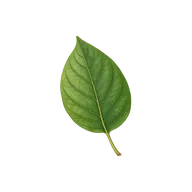
Typical of the Rubiaceae family
Gardenia jasminoides
Gandhraj / Cape Jasmine गंधराज
Hindi name · See all regional names ↓
Also known as Bush Gardenia, Bunga Cine
- Habit
- Shrub
- Found in India
- West Bengal, Maharashtra, Kerala & more
- Flowering
- August-May
Gandhraj in regional languages
Find the name you know, then compare it with the botanical profile. Columns list recorded aliases; they are not paired translations. A Latin spelling appears only when it is present in the source record.
| Language | Regional script | Recorded Latin spelling |
|---|---|---|
| Hindi | गंधराज · अनंत वृक्ष | Gandhraj, ananta vriksh |
| Nepali | इन्द्र कमल · थल कमल · इन्द्रकमल | Indra Kamal, Thal Kamal |
| Bengali | গংধৰাজ · গন্ধরাজ | Gandhraj |
| Tamil | கும்பிலி | Karinga |
| Kannada | ಸುವಾಸನೆಮಲ್ಲೆ | Suvasane malle |
| Malayalam | ഗന്ധരാജൻ | Not recorded |
| Marathi | अनंत · गंधराज | Anant, Gandhraj |
| Assamese | তগৰ | Not recorded |
See the original recorded names
- Hindi
- Gandhraj गंधराज,अनंत वृक्ष ananta vriksh
- Nepali
- इन्द्र कमल Indra Kamal, थल कमल Thal Kamal, इन्द्रकमल
- Bengali
- গংধৰাজ Gandhraj, গন্ধরাজ
- Tamil
- Karinga, கும்பிலி
- Kannada
- ಸುವಾಸನೆಮಲ್ಲೆ Suvasane malle
- Malayalam
- ഗന്ധരാജൻ
- Marathi
- अनंत Anant, गंधराज Gandhraj, अनंत, गंधराज
- Assamese
- তগৰ
Gandhraj at a glance
Source-linked growing guidance. Adjust care to your climate, season and growing conditions. Unrecorded values are shown explicitly.
- Sunlight
- Bright indirect light; protect from harsh afternoon sun New York Botanical Garden — Gardenia care ↗︎Checked
- Water & soil moisture
- Water when the top 1.3 cm of potting mix dries New York Botanical Garden — Gardenia care ↗︎Checked
- Pot & placement
- Let a newly purchased plant settle before repotting New York Botanical Garden — Gardenia care ↗︎Checked
Gardenia guidance here is for container-grown houseplants. Adapt it for outdoor planting and your local climate.
Water needs are conditional; these cards do not prescribe a fixed watering interval. Review dates belong to the individual source records.
Toxicity & contact hazards
What the sources report, with their scope intact. A missing rating stays unknown; a non-toxic listing doesn’t rule out irritation, injury or other hazards.
Reported toxicity
Toxic to cats, dogs and horses
Ecology & growing context
- Recorded native range
- East Asia
- Recorded habitat
- Grown as garden plant
- Explore nearby plants
- West Bengal →Maharashtra →Kerala →
Occurrence records show where a plant has been recorded; they do not establish that it is native there. Compare local habitat and growing conditions when choosing plants for a garden.
How to identify Gandhraj
Identify Gandhraj by combining habit, leaf characters, flower or fruit details, location, and its family pattern. Do not rely on one feature alone.
- Look for a shrub habit.
- Check the distinctive field mark: Intensely fragrant double white flowers (cape jasmine).
- Confirm leaf arrangement: Opposite.
- Confirm leaf surface: Glabrous (smooth, hairless).
- Confirm flower colour: White.
- Confirm flower arrangement: Solitary.
- In season, compare flowering and fruiting time: August-May.
Plant Details
- Scientific name
- Gardenia jasminoides
- Genus
- Gardenia
- Family
- Rubiaceae
- Habit
- Shrub
- Habitat
- Grown as garden plant
- Habitat type
- Cultivated
- Native to
- East Asia
- Distribution
- Tropical Asia
- Found in India
- West Bengal, Maharashtra, Kerala, Assam, Karnataka, Tamil Nadu, Telangana, Uttarakhand, Arunachal Pradesh, Chhattisgarh, Goa, Gujarat, Delhi, Puducherry, Punjab
- Flowering & fruiting
- August-May
- Conservation status
- Not Evaluated (NE)
Leaf characters
- Leaf arrangement
- OppositerecordedTwo leaves arise from the stem at the same point, facing each other.“The leaves are in opposite pairs or rarely in groups of three along the branches.” — Wikipedia, CC BY-SA 4.0
- Leaf surface
- Glabrous (smooth, hairless)recorded
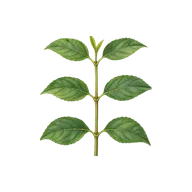
Typical of the family
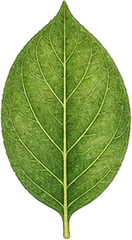
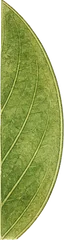
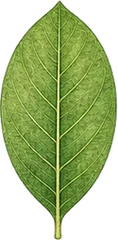
Characters marked “recorded” are for Gandhraj itself; the rest are typical of the Rubiaceae family.
Flower & fruit characters
- Flower colour
- Whiterecorded
- Flower arrangement
- SolitaryrecordedA single flower borne alone, not in a cluster.“The flowers are solitary and terminal, arising from the ends of the stems.” — Wikipedia, CC BY-SA 4.0
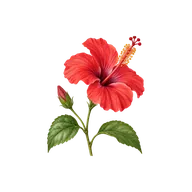
Typical of the family
- Inflorescence
- Cyme
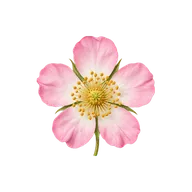
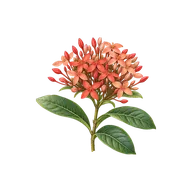
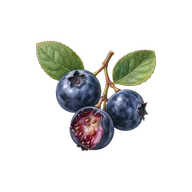
Characters marked “recorded” are for Gandhraj itself; the rest are typical of the Rubiaceae family — flowering plants only.
Gandhraj in India
This fragrant shrub, known as Gandhraj गंधराज (Hindi), Karinga (Tamil), ಸುವಾಸನೆಮಲ್ಲೆ Suvasane malle (Kannada), ഗന്ധരാജൻ (Malayalam), अनंत Anant (Marathi), গংধৰাজ Gandhraj (Bengali), is grown widely for its intensely scented white flowers. Gardenia jasminoides is grown across West Bengal, Maharashtra, Kerala, Assam, Karnataka, Tamil Nadu, popular in gardens for its fragrance.
Uses
It's grown almost entirely as a fragrant ornamental shrub, its waxy white flowers prized for both garden display and cut-flower fragrance.
How to Identify Gandhraj
A dense evergreen shrub with glossy, dark green leaves. Flowers are waxy white, richly fragrant, with numerous overlapping petals in cultivated double-flowered forms, followed by ridged orange-yellow fruit occasionally used as a natural dye.
Frequently Asked Questions
- What is Cape Jasmine called in different Indian languages?
- Gandhraj गंधराज (Hindi); Karinga (Tamil); ಸುವಾಸನೆಮಲ್ಲೆ Suvasane malle (Kannada); ഗന്ധരാജൻ (Malayalam); अनंत Anant (Marathi); গংধৰাজ Gandhraj (Bengali).
- Why do the flowers turn yellow with age?
- Like many white flowers, gardenia petals gradually oxidise and yellow as they age, which is a normal part of the flower's natural lifecycle rather than a sign of poor care.
- Is the fruit used for anything?
- Yes — in some traditions, the ripe orange-yellow fruit is used as a natural yellow dye, distinct from the plant's more common ornamental use.
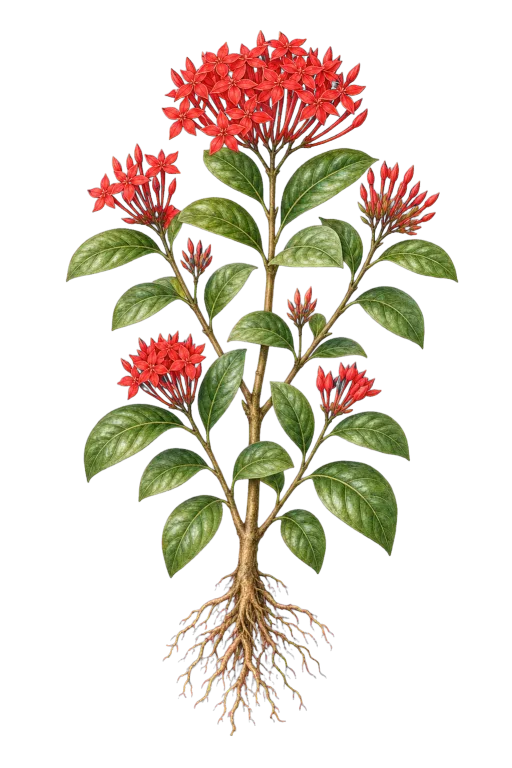
Rubiaceae
Coffee/Madder family
Gandhraj belongs to the Rubiaceae family.
The illustration represents the family — not necessarily this exact species.
Explore the Rubiaceae familySnap it. Know it.
Point your camera at Gandhraj or any plant and SASYA identifies it instantly — on-device, offline, and private.
Common plant problems
If you are starting from symptoms instead of a diagnosis, use the plant disease symptom checker to narrow the cause before treating.
All plant problem & care guidesMore in Rubiaceae
View all RubiaceaeSources: GBIF — Gardenia jasminoides (India distribution & vernacular names) (CC BY 4.0) · Wikipedia — Gardenia jasminoides (background/comprehension only) (CC BY-SA 4.0)