
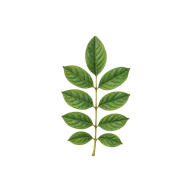
As recorded for Parlour Palm
Parlour Palm at a glance
Source-linked growing guidance. Adjust care to your climate, season and growing conditions. Unrecorded values are shown explicitly.
- Sunlight
- Bright indirect light; tolerates low light NC State Extension — Chamaedorea elegans ↗︎Checked
- Water & soil moisture
- Use well-drained soil and allow slight drying between waterings NC State Extension — Chamaedorea elegans ↗︎Checked
- Pet safety
- Not known to be toxic: cats, dogs
Source wording: Listed non-toxic to cats and dogs.
ASPCA — Good Luck Palm ↗︎CheckedWater needs are conditional; these cards do not prescribe a fixed watering interval. Review dates belong to the individual source records.
Toxicity & contact hazards
What the sources report, with their scope intact. A missing rating stays unknown; a non-toxic listing doesn’t rule out irritation, injury or other hazards.
Reported toxicity
Listed non-toxic to cats and dogs
Ecology & growing context
- Native status · Kew WCVP
- WCVP native range does not include India Kew dataset ↗︎
Kew WCVP dataset; accepted-name match. Dataset matching is separate from an individual regional review. Recorded worldwide native range: Mexico to Honduras. Not listed native does not establish introduction or absence from India.
- Explore nearby plants
- Gujarat →
Occurrence records show where a plant has been recorded; they do not establish that it is native there. Compare local habitat and growing conditions when choosing plants for a garden.
How to identify Parlour Palm
Identify Parlour Palm by combining habit, leaf characters, flower or fruit details, location, and its family pattern. Do not rely on one feature alone.
- Confirm leaf type: Pinnately compound.
- In India, compare location records such as Gujarat.
- Confirm it sits within the Arecaceae family pattern, then compare close relatives before deciding it is Parlour Palm.
Plant Details
- Scientific name
- Chamaedorea elegans
- Genus
- Chamaedorea
- Family
- Arecaceae
- Found in India
- Gujarat
- Conservation status
- Not Evaluated (NE)
Leaf characters
- Leaf type
- Pinnately compoundrecordedLeaflets are arranged in rows along a central stalk, like a feather.“It has 1.2 centimetres (1⁄2 in)-long ringed stigma, punctured crescent-shaped leaves, erect buds, and flexible tubular stems without spines with generally pinnate foliage.” — Wikipedia, CC BY-SA 4.0
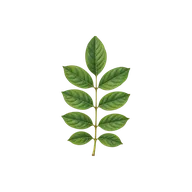
Typical of the family
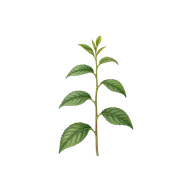
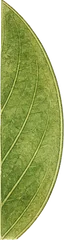

Characters marked “recorded” are for Parlour Palm itself; the rest are typical of the Arecaceae family.
Flower & fruit characters
- Inflorescence
- Panicle
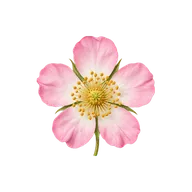
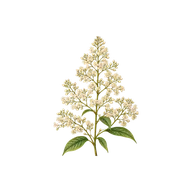
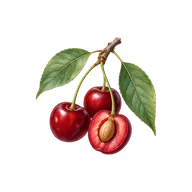
Typical of the Arecaceae family — flowering plants only; individual species can differ.
About Parlour Palm
Parlour Palm (Chamaedorea elegans) is a species in the Arecaceae family. In India it has been recorded in Gujarat.
Uses
Locally it is planted as an ornamental. Parts of this plant are reported as poisonous — treat it as unsafe to eat and wash your hands after handling.
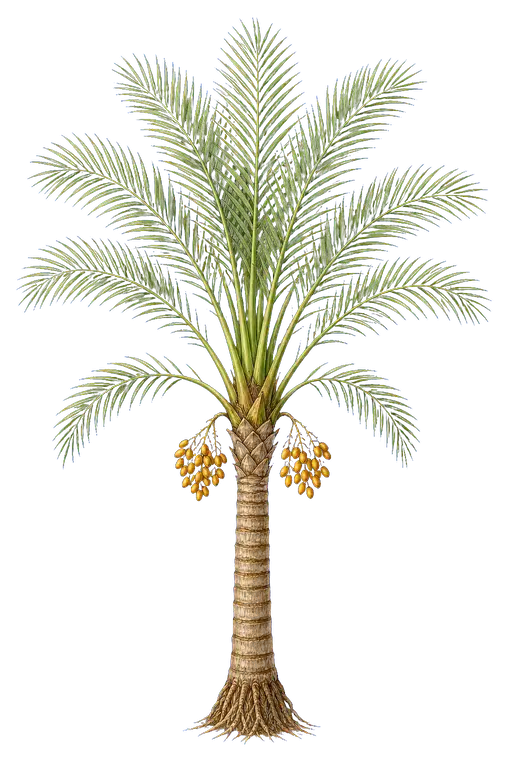
Arecaceae
Palm family
Parlour Palm belongs to the Arecaceae family.
The illustration represents the family — not necessarily this exact species.
Explore the Arecaceae familySnap it. Know it.
Point your camera at Parlour Palm or any plant and SASYA identifies it instantly — on-device, offline, and private.
Common plant problems
If you are starting from symptoms instead of a diagnosis, use the plant disease symptom checker to narrow the cause before treating.
All plant problem & care guides