
Aamari / Sour Currant Shrub
Antidesma acidum
- Habit
- Tree
- Found in India
- Assam, Karnataka, West Bengal & more
- Flowering
- May-December
Plant Details
- Scientific name
- Antidesma acidum
- Genus
- Antidesma
- Family
- Euphorbiaceae
- Habit
- Tree
- Habitat
- Semi-evergreen and moist deciduous forests and sacred groves
- Habitat type
- Forest
- Native to
- Tropical Asia
- Distribution
- India incl. Andaman & Nicobar, Myanmar, Thailand, South China, Indo-China, Java, Nepal
- Found in India
- Assam, Karnataka, West Bengal, Meghalaya, Uttarakhand, Madhya Pradesh
- Flowering & fruiting
- May-December
- Conservation status
- Not Evaluated (NE)
Leaf characters
- Arrangement
- Alternate
- Margin
- Variable
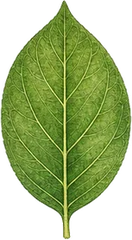

Typical of the Euphorbiaceae family — a field-mark hint, not measured for this exact species.
Flower & fruit characters
Typical of the Euphorbiaceae family — flowering plants only; individual species can differ.
Local Names
- Hindi
- Dhakki, आमरी Aamari, Khatua
- Nepali
- अरचल Archal
- Bengali
- অর্চল Archal, মুট্টা Mutta
- Tamil
- Asaripuli, Keathekkayyaa, புளிச்சமரம்
- Telugu
- Pella-gumudu
- Kannada
- ಬಿಳಿಕೊಮ್ಮೆ Bilikomme, ಕರಿಹುಳಿಪ Karrihulipa, ಸಣ್ಣಗೂಗೆ Sannagooge
- Malayalam
- Areepazham, Arippazhachedi, Sirupulli, ആശാരിപ്പുളി
- Marathi
- Ghondurili
- Assamese
- হেলচ
About Aamari
Sour Currant Shrub (Antidesma acidum) is a tree belonging to the Euphorbiaceae family (Spurge/Euphorbia family). Members of this family are generally characterised by alternate/opposite simple/compound leaves, cyathium/raceme/spike flower clusters, capsule (regma) fruit. It is typically found in semi-evergreen and moist deciduous forests and sacred groves. Native to Tropical Asia, it is distributed across India incl. Andaman & Nicobar, Myanmar, Thailand, South China, Indo-China, Java, Nepal. Flowering and fruiting are typically seen during May-December.
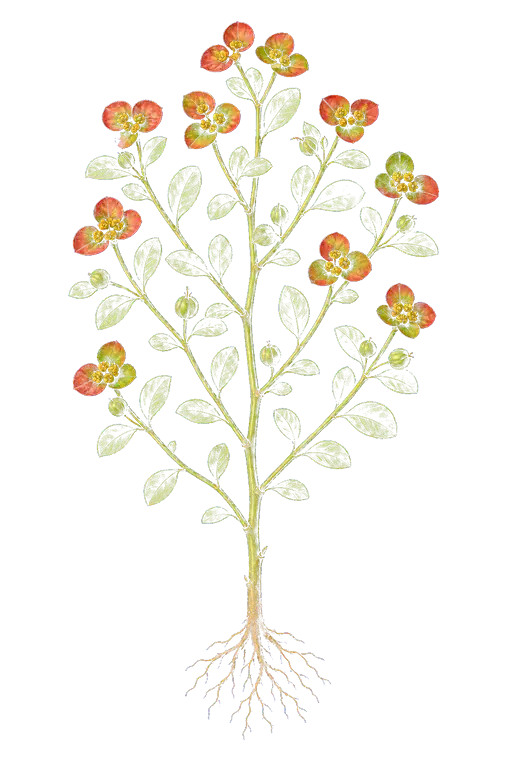
Euphorbiaceae
Spurge/Euphorbia family
Aamari belongs to the Euphorbiaceae family.
The illustration represents the family — not necessarily this exact species.
Explore the Euphorbiaceae family →Snap it. Know it.
Point your camera at Aamari or any plant and SASYA identifies it instantly — on-device, offline, and private.