
Jangli Akhrot / Candle-Nut Tree
Aleurites moluccanus
Also known as Belgaum Walnut, Candlenut Tree, Candlenut Oil Tree, Candleberry, Indian Walnut, Varnish Tree
- Habit
- Tree
- Found in India
- Madhya Pradesh, Tamil Nadu, Assam & more
- Flowering
- December-May
How to identify Jangli Akhrot
Identify Jangli Akhrot by combining habit, leaf characters, flower or fruit details, location, and its family pattern. Do not rely on one feature alone.
- Look for a tree habit.
- Check the distinctive field mark: Nuts pressed for candlenut oil.
- Confirm leaf type: Simple.
- Confirm leaf shape: Ovate.
- Confirm flower colour: White.
- Confirm fruit type: Drupe.
- In season, compare flowering and fruiting time: December-May.
Plant Details
- Scientific name
- Aleurites moluccanus
- Genus
- Aleurites
- Family
- Euphorbiaceae
- Habit
- Tree
- Habitat
- Grown in the High ranges
- Habitat type
- Wetland, Cultivated
- Native to
- Hawaii
- Distribution
- India, China to Polynesia, New Zealand and introduced from Malesia
- Found in India
- Madhya Pradesh, Tamil Nadu, Assam, Karnataka, West Bengal
- Flowering & fruiting
- December-May
- Conservation status
- Not Evaluated (NE)
Leaf characters
- Leaf type
- SimplerecordedA single, undivided leaf blade.“The leaves are pale green, simple, and ovate or heart-shaped on mature shoots, but may be three-, five-, or seven-lobed on saplings.” — Wikipedia, CC BY-SA 4.0
- Leaf shape
- OvaterecordedEgg-shaped, broader near the base.“The leaves are pale green, simple, and ovate or heart-shaped on mature shoots, but may be three-, five-, or seven-lobed on saplings.” — Wikipedia, CC BY-SA 4.0
- Leaf margin
- LobedrecordedThe edge is divided into rounded or pointed sections that don't reach the midrib.“The leaves are pale green, simple, and ovate or heart-shaped on mature shoots, but may be three-, five-, or seven-lobed on saplings.” — Wikipedia, CC BY-SA 4.0
- Leaf surface
- Pubescent (softly hairy)recorded
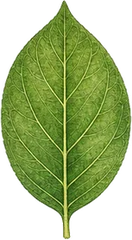
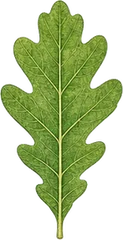
Typical of the family
- Arrangement
- Alternate

Characters marked “recorded” are for Jangli Akhrot itself; the rest are typical of the Euphorbiaceae family.
Flower & fruit characters
- Flower colour
- Whiterecorded
- Fruit type
- DruperecordedA fleshy fruit with a single hard stone/pit enclosing the seed.“The fruit is a drupe about 4–6 cm (1+1⁄2–2+1⁄4 in) in diameter with one or two lobes;” — Wikipedia, CC BY-SA 4.0
Typical of the family
- Flower symmetry
- Actinomorphic (radially symmetrical)
- Inflorescence
- Cyme
- Fruit
- Capsule
Characters marked “recorded” are for Jangli Akhrot itself; the rest are typical of the Euphorbiaceae family — flowering plants only.
Local Names
- Hindi
- जंगली आख़रोट Jangli akhrot, अख़रोट Akhrot
- Tamil
- நாட்டு அகரொட்டு Nattu akrottu, Woodooga
- Telugu
- Uduga, Natu akrotu
- Kannada
- ಅಕ್ರೋಡ Akroda, ನಾಟಕ್ರೋಡು Natakrodu, Arkod
- Malayalam
- Akrottu, Akshotam, Karankolam
- Marathi
- रामाखरोट Ramakrot, अखरोड Akhod, Japhala
Jangli Akhrot in India
This tree, known as जंगली आख़रोट Jangli akhrot (Hindi), நாட்டு அகரொட்டு Nattu akrottu (Tamil), Uduga (Telugu), ಅಕ್ರೋಡ Akroda (Kannada), Akrottu (Malayalam), रामाखरोट Ramakrot (Marathi), produces oily nuts historically burned for light. Aleurites moluccanus is found across Madhya Pradesh, Tamil Nadu, Assam, Bengal, Karnataka, West Bengal, typically in moist forest and often planted for shade.
Uses
Its oil-rich nuts were traditionally strung and burned as primitive candles before modern lighting, and the oil has also been used in varnish, paints and traditional skin care — attributed traditional uses, not medical claims.
How to Identify Jangli Akhrot
A fast-growing tree with large, pale green, star-shaped to oval leaves that often have a silvery-grey sheen, especially on new growth. Small white flower clusters are followed by round, hard-shelled nuts containing oily kernels.
Frequently Asked Questions
- What is Candle-nut Tree called in different Indian languages?
- जंगली आख़रोट Jangli akhrot (Hindi); நாட்டு அகரொட்டு Nattu akrottu (Tamil); Uduga (Telugu); ಅಕ್ರೋಡ Akroda (Kannada); Akrottu (Malayalam); रामाखरोट Ramakrot (Marathi).
- Why is it called 'candlenut'?
- Its oily kernels burn slowly and steadily when strung on a stick, and were traditionally used as a simple candle substitute for light before modern lighting was available.
- Are candlenuts edible?
- Raw candlenuts are mildly toxic and should not be eaten raw; in cuisines where they're used as a food ingredient, they are always cooked or roasted first.
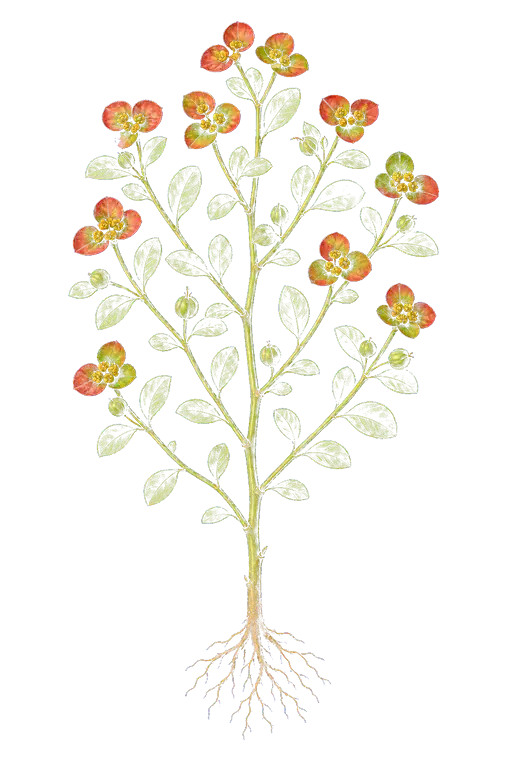
Euphorbiaceae
Spurge/Euphorbia family
Jangli Akhrot belongs to the Euphorbiaceae family.
The illustration represents the family — not necessarily this exact species.
Explore the Euphorbiaceae familySnap it. Know it.
Point your camera at Jangli Akhrot or any plant and SASYA identifies it instantly — on-device, offline, and private.
Common plant problems
If you are starting from symptoms instead of a diagnosis, use the plant disease symptom checker to narrow the cause before treating.
All plant problem & care guidesMore in Euphorbiaceae
View all EuphorbiaceaeSources: GBIF — Aleurites moluccanus (India distribution & vernacular names) (CC BY 4.0) · Wikipedia — Aleurites moluccanus (background/comprehension only) (CC BY-SA 4.0)