
Baraira / Horn Bean Leaved Sida
Sida acuta
- Habit
- Undershrub
- Found in India
- Gujarat, Maharashtra, Karnataka & more
- Flowering
- Throughout the year
How to identify Baraira
Identify Baraira by combining habit, leaf characters, flower or fruit details, location, and its family pattern. Do not rely on one feature alone.
- Look for a undershrub habit.
- Confirm leaf shape: Narrow rhombic-elliptic.
- Confirm flower colour: Yellow.
- Use the leaf pattern: alternate leaf arrangement, simple leaves, toothed leaf margins, pinnate venation.
- In season, compare flowering and fruiting time: Throughout the year.
- In India, compare location records such as Gujarat, Maharashtra, Karnataka, Telangana and nearby regions.
- Confirm it sits within the Malvaceae family pattern, then compare close relatives before deciding it is Baraira.
Plant Details
- Scientific name
- Sida acuta
- Genus
- Sida
- Family
- Malvaceae
- Habit
- Undershrub
- Habitat
- Dry and moist deciduous forests, also in the plains
- Habitat type
- Forest
- Native to
- Pantropical
- Distribution
- Pantropical
- Found in India
- Gujarat, Maharashtra, Karnataka, Telangana, Tamil Nadu, Andhra Pradesh, Kerala, West Bengal, Chhattisgarh, Madhya Pradesh, Rajasthan, Uttar Pradesh, Odisha, Chandigarh, Haryana, Delhi, Uttarakhand, Punjab, Bihar, Goa, Andaman & Nicobar Islands, Arunachal Pradesh, Assam, Himachal Pradesh, Manipur, Meghalaya, Mizoram, Puducherry
- Flowering & fruiting
- Throughout the year
- Conservation status
- Not Evaluated (NE)
Leaf characters
- Leaf shape
- Narrow rhombic-ellipticrecorded
Typical of the family
- Arrangement
- Alternate
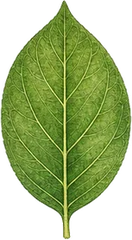
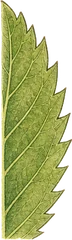
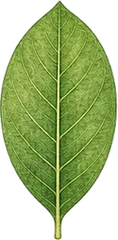
Characters marked “recorded” are for Baraira itself; the rest are typical of the Malvaceae family.
Flower & fruit characters
- Flower colour
- Yellowrecorded
Typical of the family
- Flower symmetry
- Actinomorphic (radially symmetrical)
- Inflorescence
- Solitary
- Fruit
- Capsule
Characters marked “recorded” are for Baraira itself; the rest are typical of the Malvaceae family — flowering plants only.
Local Names
- Hindi
- Baraira
- Nepali
- बलु झार Balu Jhaar, कुरो Kuro, सानो चिल्या Saano Chilya
- Bengali
- বেড়েলা
- Tamil
- அரிவாள்மனைப் பூண்டு Arivaḷmanaip puṇṭu, Palambasi, அரிவாள்மனைப் பூண்டு
- Telugu
- Muttavapulagamu
- Kannada
- ಭೀಮನಕಡ್ಡಿ Bheemana kaddi, ವಿಷಕಡ್ಡಿ Visha kaddi
- Malayalam
- Malatanni Shiruparuva, മലങ്കുറുന്തോട്ടി
- Marathi
- चिकना Chikana, चिकना
Baraira in India
Bala is a wiry, tough-stemmed weed of roadsides used both as a broom and in Ayurveda — Baraira (Hindi), அரிவாள்மனைப் பூண்டு Arivaḷmanaip puṇṭu (Tamil), Muttavapulagamu (Telugu), ಭೀಮನಕಡ್ಡಿ Bheemana kaddi (Kannada), Malatanni Shiruparuva (Malayalam), चिकना Chikana (Marathi). Sida acuta is recorded across Gujarat, Maharashtra, Karnataka, Telangana, Tamil Nadu, Andhra Pradesh, on waste ground and field edges.
Uses
Its tough fibrous stems are tied into household brooms, and the plant (the Ayurvedic 'bala' group) has long-standing attributed uses as a strengthening tonic — described for information, not medical advice. As a fibre and fodder plant it is also locally useful.
How to Identify Baraira
A small, wiry, much-branched undershrub with narrow, sharply toothed lance-shaped leaves. It bears small pale-yellow to cream five-petalled flowers singly or in pairs at the leaf joints, and the stem fibre is notably tough and stringy.
Frequently Asked Questions
- What is Horn bean leaved sida called in different Indian languages?
- Baraira (Hindi); அரிவாள்மனைப் பூண்டு Arivaḷmanaip puṇṭu (Tamil); Muttavapulagamu (Telugu); ಭೀಮನಕಡ್ಡಿ Bheemana kaddi (Kannada); Malatanni Shiruparuva (Malayalam); चिकना Chikana (Marathi); বেড়েলা (Bengali).
- What is bala (Sida) used for?
- Its tough stems are made into brooms, and it is a classical Ayurvedic 'bala' tonic herb — an attributed traditional use, not medical advice.
- How do you identify Sida acuta?
- Look for a wiry undershrub with narrow toothed leaves, small pale-yellow five-petalled flowers, and very tough stringy stems.
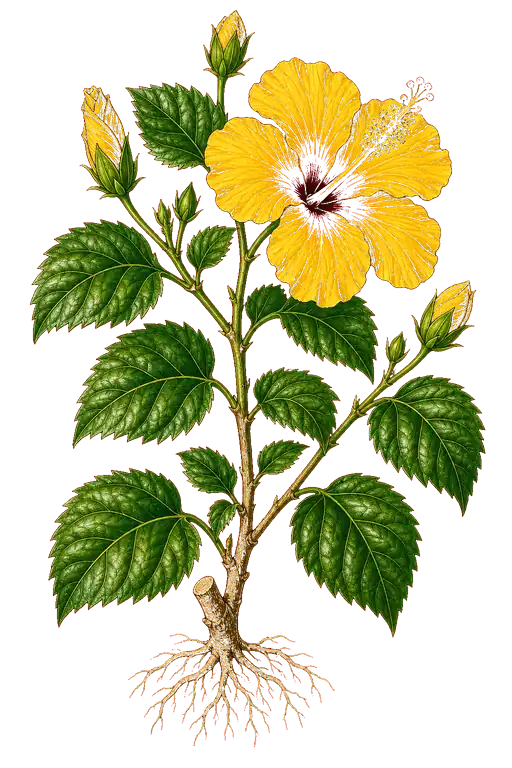
Malvaceae
Mallow/Hibiscus family
Baraira belongs to the Malvaceae family.
The illustration represents the family — not necessarily this exact species.
Explore the Malvaceae familySnap it. Know it.
Point your camera at Baraira or any plant and SASYA identifies it instantly — on-device, offline, and private.
Common plant problems
If you are starting from symptoms instead of a diagnosis, use the plant disease symptom checker to narrow the cause before treating.
All plant problem & care guidesMore in Malvaceae
View all MalvaceaeSources: GBIF — Sida acuta (India distribution & vernacular names) (CC BY 4.0) · iNaturalist — Sida acuta (regional names, India observations) (CC BY 4.0) · Wikipedia — Sida acuta (background/comprehension only) (CC BY-SA 4.0)