

Abelmoschus esculentus
Bhindi / Lady's Finger
Also known as Gumbo, Okra
- Habit
- Undershrub
- Found in India
- Gujarat, Maharashtra, Uttar Pradesh & more
- Flowering
- Throughout the year
Bhindi in regional languages
Find the name you know, then compare it with the botanical profile. Columns list recorded aliases; they are not paired translations. A Latin spelling appears only when it is present in the source record.
| Language | Regional script | Recorded Latin spelling |
|---|---|---|
| Hindi | भिण्डी · ढेंड़स · रामतुरई | Bhindi, Dhenras, Ram-Turai, bhindi |
| Nepali | भिण्डी · राम् तोरियाँ · रामतोरियाँ | Bhindi, Ram-Toriya |
| Bengali | ঢেঁড়স · ঢেঁড়শ | Dhenras |
| Tamil | வெண்டை · வெண்டி · வெண்டிக்காய் | Ventai |
| Telugu | బెండ · బెండకాయ · బెండ కాయ | Benda |
| Kannada | ಬೆಂಡೆಕಾಯಿ · ಬೆಂಡೆ | Bendekayi |
| Malayalam | വെണ്ടയ്ക്ക · വെണ്ട | Ventaykka |
| Marathi | भेंडी · रामतुरई | Bhendi, Ramaturai |
| Gujarati | ભીંડા | Not recorded |
| Sinhala | බණ්ඩක්කා | Not recorded |
See the original recorded names
- Hindi
- भिण्डी Bhindi, ढेंड़स Dhenras, रामतुरई Ram-Turai, bhindi
- Nepali
- भिण्डी Bhindi, राम्-तोरियाँ Ram-Toriya, रामतोरियाँ
- Bengali
- ঢেঁড়স Dhenras, ঢেঁড়শ, ঢেঁড়স
- Tamil
- வெண்டை Ventai, வெண்டி, வெண்டிக்காய்
- Telugu
- బెండ Benda, బెండకాయ, బెండ కాయ
- Kannada
- ಬೆಂಡೆಕಾಯಿ Bendekayi, ಬೆಂಡೆ, ಬೆಂಡೆಕಾಯಿ
- Malayalam
- വെണ്ടയ്ക്ക Ventaykka, വെണ്ട, വെണ്ടയ്ക്ക
- Marathi
- भेंडी Bhendi, रामतुरई Ramaturai, भेंडी
- Gujarati
- ભીંડા
- Sinhala
- බණ්ඩක්කා
Bhindi at a glance
Source-linked growing guidance. Adjust care to your climate, season and growing conditions. Unrecorded values are shown explicitly.
- Sunlight
- Needs full sun, 6 or more hours of direct sun a day. Abelmoschus esculentus, NC State Extension Gardener Plant Toolbox ↗︎Checked
- Water & soil moisture
- Moist, well-drained rich soil; poorly drained soil can lead to root rot. Abelmoschus esculentus, NC State Extension Gardener Plant Toolbox ↗︎Checked
- Pot & placement
- Not yet verified Research in progress
- Pet safety
- Not yet verified No safety rating recorded
Water needs are conditional; these cards do not prescribe a fixed watering interval. Review dates belong to the individual source records.
Toxicity & contact hazards
What the sources report, with their scope intact. A missing rating stays unknown; a non-toxic listing doesn’t rule out irritation, injury or other hazards.
Irritating hairs
Hairs on the pods can irritate skin; wear gloves when picking. The hairs wash off easily.
Growing context & reported issues
Published observations about growing settings, size and common problems. These are context for a plant profile, rather than a diagnosis of the plant in front of you.
Growing setting
Best in a vegetable or edible garden; can be grown in containers.
Reported size
3 to 5 ft tall and wide.
Reported pests & problems
Aphids, whitefly and shoot and fruit borer; yellow vein mosaic, enation leaf curl and leaf blight.
Ecology & growing context
- Native status · Kew WCVP
- WCVP native range includes India, West Himalaya Kew dataset ↗︎
Kew WCVP dataset; accepted-name match. Dataset matching is separate from an individual regional review. Recorded worldwide native range: SW. Uttarakhand to W. & C. India.
- Explore nearby plants
- Gujarat →Maharashtra →Uttar Pradesh →
Occurrence records show where a plant has been recorded; they do not establish that it is native there. Compare local habitat and growing conditions when choosing plants for a garden.
How to identify Bhindi
Identify Bhindi by combining habit, leaf characters, flower or fruit details, location, and its family pattern. Do not rely on one feature alone.
- Look for a undershrub habit.
- Check the distinctive field mark: Ridged edible seed pod.
- Confirm leaf margin: Lobed.
- Confirm flower colour: Yellow.
- Confirm fruit type: Capsule.
- In season, compare flowering and fruiting time: Throughout the year.
- In India, compare location records such as Gujarat, Maharashtra, Uttar Pradesh, Andhra Pradesh and nearby regions.
Plant Details
- Scientific name
- Abelmoschus esculentus
- Genus
- Abelmoschus
- Family
- Malvaceae
- Habit
- Undershrub
- Native to
- Asia
- Distribution
- Cultivated in moist tropical countries including India
- Found in India
- Gujarat, Maharashtra, Uttar Pradesh, Andhra Pradesh, Karnataka, Madhya Pradesh, Rajasthan, Odisha, Kerala, Tamil Nadu, Meghalaya, Himachal Pradesh, Tripura, Uttarakhand, West Bengal, Arunachal Pradesh, Assam, Goa, Mizoram, Telangana, Bihar, Chhattisgarh, Haryana, Delhi, Dadra & Nagar Haveli, Daman & Diu
- Flowering & fruiting
- Throughout the year
- Conservation status
- Not Evaluated (NE)
Leaf characters
- Leaf margin
- LobedrecordedThe edge is divided into rounded or pointed sections that don't reach the midrib.“The leaves are 10–20 centimetres (4–8 in) long and broad, palmately lobed with 5–7 lobes.” — Wikipedia, CC BY-SA 4.0
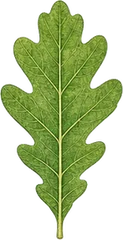
Typical of the family
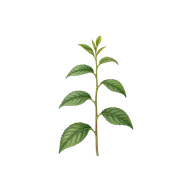
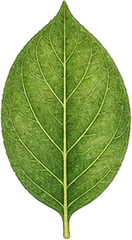
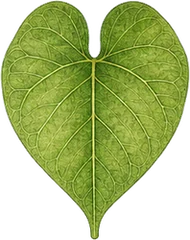
Characters marked “recorded” are for Bhindi itself; the rest are typical of the Malvaceae family.
Flower & fruit characters
- Flower colour
- Yellowrecorded
- Fruit type
- CapsulerecordedA dry fruit from a fused ovary that splits open at maturity to release seeds.“The fruit is a capsule up to 18 cm (7 in) long with pentagonal cross-section, containing numerous seeds.” — Wikipedia, CC BY-SA 4.0
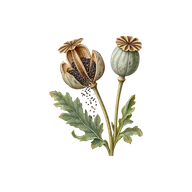
Typical of the family
- Inflorescence
- Solitary
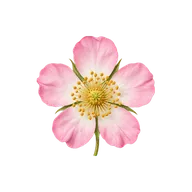
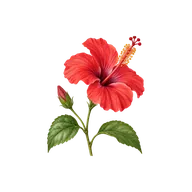
Characters marked “recorded” are for Bhindi itself; the rest are typical of the Malvaceae family — flowering plants only.
Bhindi in India
Okra, known across India as भिण्डी Bhindi (Hindi), வெண்டை Ventai (Tamil), బెండ Benda (Telugu), ಬೆಂಡೆಕಾಯಿ Bendekayi (Kannada), വെണ്ടയ്ക്ക Ventaykka (Malayalam), भेंडी Bhendi (Marathi), is a widely grown vegetable crop. Abelmoschus esculentus is cultivated across Gujarat, Maharashtra, Uttar Pradesh, Karnataka, Andhra Pradesh, Madhya Pradesh, mostly in the warmer months.
Uses
The young green pods are eaten as a vegetable in countless everyday preparations — bhindi masala, sambar, gumbo-style stews — valued for their mucilaginous texture that thickens sauces.
How to Identify Bhindi
An erect annual herb related to hibiscus and cotton, with large lobed leaves. Flowers are pale yellow with a dark maroon-red centre, opening for a single day, followed by the familiar ridged, tapering green pods — best picked young, since older pods turn woody and fibrous.
Frequently Asked Questions
- What is Lady's finger called in different Indian languages?
- भिण्डी Bhindi (Hindi); வெண்டை Ventai (Tamil); బెండ Benda (Telugu); ಬೆಂಡೆಕಾಯಿ Bendekayi (Kannada); വെണ്ടയ്ക്ക Ventaykka (Malayalam); भेंडी Bhendi (Marathi); ঢেঁড়স Dhenras (Bengali); ભીંડા (Gujarati).
- Why does okra get slimy when cooked?
- The pods contain mucilage, a natural soluble fibre that thickens when cooked — prized in some dishes, avoided in others by high, fast cooking.
- Is okra related to cotton?
- Yes — both Abelmoschus esculentus and Gossypium species belong to the mallow family (Malvaceae), alongside hibiscus.
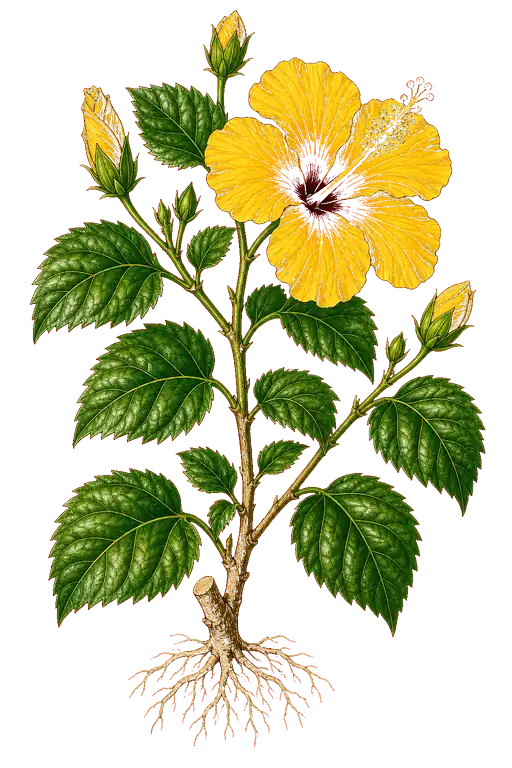
Malvaceae
Mallow/Hibiscus family
Bhindi belongs to the Malvaceae family.
The illustration represents the family — not necessarily this exact species.
Explore the Malvaceae familySnap it. Know it.
Point your camera at Bhindi or any plant and SASYA identifies it instantly — on-device, offline, and private.
Common plant problems
If you are starting from symptoms instead of a diagnosis, use the plant disease symptom checker to narrow the cause before treating.
All plant problem & care guidesMore in Malvaceae
View all MalvaceaeSources: GBIF — Abelmoschus esculentus (India distribution & vernacular names) (CC BY 4.0) · Wikipedia — Abelmoschus esculentus (background/comprehension only) (CC BY-SA 4.0)