
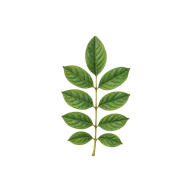
As recorded for Brazilian Pepper
Schinus terebinthifolia
Brazilian Pepper
- Habit
- Tree
- Found in India
- Karnataka, Maharashtra
Ecology & growing context
- Native status · Kew WCVP
- WCVP native range does not include India Kew dataset ↗︎
Kew WCVP dataset; accepted-name match. Dataset matching is separate from an individual regional review. Recorded worldwide native range: Brazil to NE. Argentina. Not listed native does not establish introduction or absence from India.
- Recorded habitat
- Cultivated
- Explore nearby plants
- Karnataka →Maharashtra →
Occurrence records show where a plant has been recorded; they do not establish that it is native there. Compare local habitat and growing conditions when choosing plants for a garden.
How to identify Brazilian Pepper
Identify Brazilian Pepper by combining habit, leaf characters, flower or fruit details, location, and its family pattern. Do not rely on one feature alone.
- Look for a tree habit.
- Check the distinctive field mark: Bright red berry clusters (Brazilian pepper), invasive.
- Confirm leaf arrangement: Alternate.
- Confirm leaf type: Pinnately compound.
- Confirm flower colour: White.
- Confirm fruit type: Drupe.
- In India, compare location records such as Karnataka, Maharashtra.
Plant Details
- Scientific name
- Schinus terebinthifolia
- Genus
- Schinus
- Family
- Anacardiaceae
- Habit
- Tree
- Habitat
- Cultivated
- Habitat type
- Forest, Cultivated
- Native to
- Tropical America
- Found in India
- Karnataka, Maharashtra
Leaf characters
- Leaf arrangement
- AlternaterecordedOne leaf per node, arranged in a spiral or zigzag up the stem.“The leaves are alternate, 10–22 cm (3.9–8.7 in) long, pinnately compound with (3–) 5–15 leaflets;” — Wikipedia, CC BY-SA 4.0
- Leaf type
- Pinnately compoundrecordedLeaflets are arranged in rows along a central stalk, like a feather.“The leaves are alternate, 10–22 cm (3.9–8.7 in) long, pinnately compound with (3–) 5–15 leaflets;” — Wikipedia, CC BY-SA 4.0
- Leaf shape
- Pinnately compoundrecorded
- Leaf margin
- ToothedrecordedA saw-like or jagged edge (serrate or dentate).“the leaflets are roughly oval (lanceolate to elliptical), 3–6 cm (1.2–2.4 in) long and 2–3.5 cm (0.79–1.38 in) broad, and have finely toothed margins, an acute to rounded apex, and” — Wikipedia, CC BY-SA 4.0
- Leaf surface
- HirsuterecordedCovered in coarse, stiff, bristly hairs.“the leaflets are roughly oval (lanceolate to elliptical), 3–6 cm (1.2–2.4 in) long and 2–3.5 cm (0.79–1.38 in) broad, and have finely toothed margins, an acute to rounded apex, and” — Wikipedia, CC BY-SA 4.0
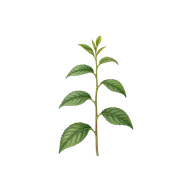
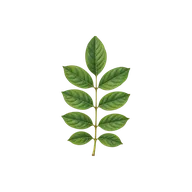
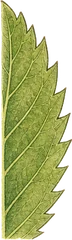
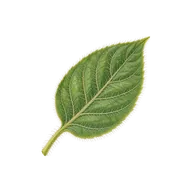
Typical of the family

Characters marked “recorded” are for Brazilian Pepper itself; the rest are typical of the Anacardiaceae family.
Flower & fruit characters
- Flower colour
- Whiterecorded“The plant is dioecious, with small, white flowers borne profusely in axillary clusters.” — Wikipedia, CC BY-SA 4.0
- Fruit type
- DruperecordedA fleshy fruit with a single hard stone/pit enclosing the seed.“The fruit is a drupe 4–5 mm (0.16–0.20 in) in diameter, carried in dense clusters of hundreds.” — Wikipedia, CC BY-SA 4.0
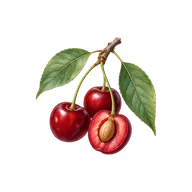
Typical of the family
- Inflorescence
- Panicle
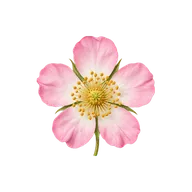
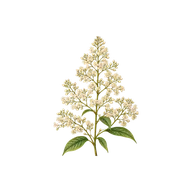
Characters marked “recorded” are for Brazilian Pepper itself; the rest are typical of the Anacardiaceae family — flowering plants only.
About Brazilian Pepper
Brazilian Pepper (Schinus terebinthifolia) is a tree in the Anacardiaceae family. In India it has been recorded in Karnataka and Maharashtra. It is cultivated.
Uses
Locally it is planted as an ornamental and used to hold soil and restore degraded ground. Parts of this plant are reported as poisonous — treat it as unsafe to eat and wash your hands after handling.
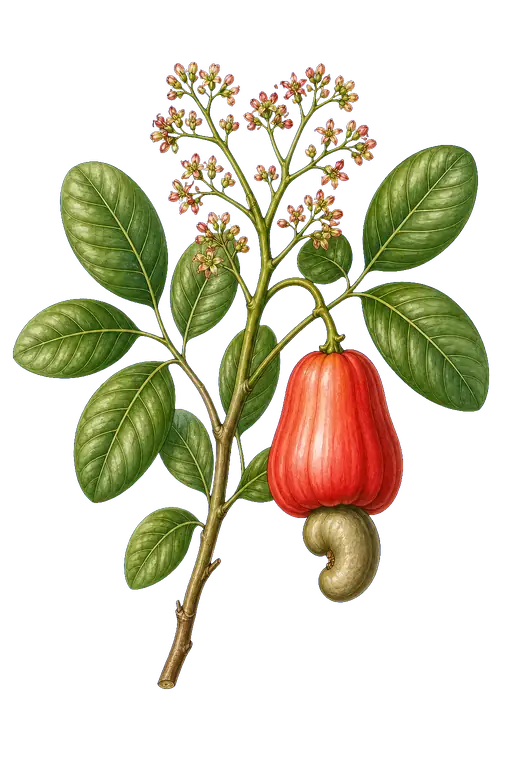
Anacardiaceae
Cashew family
Brazilian Pepper belongs to the Anacardiaceae family.
The illustration represents the family — not necessarily this exact species.
Explore the Anacardiaceae familySnap it. Know it.
Point your camera at Brazilian Pepper or any plant and SASYA identifies it instantly — on-device, offline, and private.
Common plant problems
If you are starting from symptoms instead of a diagnosis, use the plant disease symptom checker to narrow the cause before treating.
All plant problem & care guides