Nagesar / Ceylon Iron-Wood
Mesua ferrea
Also known as Indian Rose Chestnut, Cobra's Saffron, Inagas Tree, Ironwood, Mesua, Nagas Tree, Penaga Lili
- Habit
- Tree
- Found in India
- Tamil Nadu, Karnataka, Assam & more
- Flowering
- April-November
How to identify Nagesar
Identify Nagesar by combining habit, leaf characters, flower or fruit details, location, and its family pattern. Do not rely on one feature alone.
- Look for a tree habit.
- Check the distinctive field mark: Reddish drooping new leaves, fragrant flowers with yellow stamens (ironwood).
- Confirm leaf arrangement: Opposite.
- Confirm leaf type: Simple.
- Confirm flower colour: White.
- Confirm fruit type: Capsule.
- In season, compare flowering and fruiting time: April-November.
Plant Details
- Scientific name
- Mesua ferrea
- Genus
- Mesua
- Family
- Clusiaceae
- Habit
- Tree
- Habitat
- Evergreen forests, near streams
- Distribution
- India, Andaman and Nicobar (India), Bangladesh, Myanmar, Thailand, Cambodia, Laos, Vietnam
- Found in India
- Tamil Nadu, Karnataka, Assam, Kerala, Maharashtra, Meghalaya, Arunachal Pradesh, Mizoram, Odisha, Tripura, Bihar, Gujarat, Madhya Pradesh, Nagaland, Sikkim, Uttarakhand, West Bengal
- Flowering & fruiting
- April-November
- Conservation status
- Not Evaluated (NE)
Leaf characters
- Leaf arrangement
- OppositerecordedTwo leaves arise from the stem at the same point, facing each other.“It has simple, opposite, narrow, oblong to lanceolate, blue-grey to dark green leaves that are 7–15 cm (2.8–5.9 in) long and 1.5–3.5 cm (0.59–1.38 in) wide, with a whitish undersid” — Wikipedia, CC BY-SA 4.0
- Leaf type
- SimplerecordedA single, undivided leaf blade.“It has simple, opposite, narrow, oblong to lanceolate, blue-grey to dark green leaves that are 7–15 cm (2.8–5.9 in) long and 1.5–3.5 cm (0.59–1.38 in) wide, with a whitish undersid” — Wikipedia, CC BY-SA 4.0
- Leaf shape
- LanceolaterecordedLong and narrow, tapering to a point, like a lance head.“It has simple, opposite, narrow, oblong to lanceolate, blue-grey to dark green leaves that are 7–15 cm (2.8–5.9 in) long and 1.5–3.5 cm (0.59–1.38 in) wide, with a whitish undersid” — Wikipedia, CC BY-SA 4.0
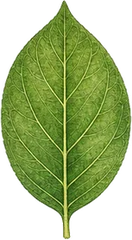
Typical of the family
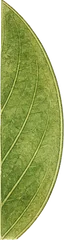
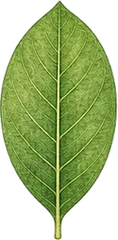
Characters marked “recorded” are for Nagesar itself; the rest are typical of the Clusiaceae family.
Flower & fruit characters
- Flower colour
- Whiterecorded
- Fruit type
- CapsulerecordedA dry fruit from a fused ovary that splits open at maturity to release seeds.“The fruit is an ovoid to globose capsule with one to two seeds.” — Wikipedia, CC BY-SA 4.0
Typical of the family
- Fruit
- Capsule
Characters marked “recorded” are for Nagesar itself; the rest are typical of the Clusiaceae family — flowering plants only.
Local Names
- Hindi
- नागेसर Nagesar,नाग केसर naga kesar
- Nepali
- नाग केशर Nag keshar
- Bengali
- নাগেশ্বর Nagesar, নাগেশ্বর
- Tamil
- நாக மரம் Nakamaram, புன்னாகம் Punnakam, Nagacuram
- Telugu
- నాగకేసరము Naga-kesaramu, నాగకేశరము, ఉప్ప చెట్టు
- Kannada
- ನಾಗಕೇಸರ Nagakesara, ನಾಗಸಂಪಿಗೆ Nagasampige, ನಾಗಸಂಪಿಗೆ
- Malayalam
- നാഗകേസരം Nagakesaram, Churuli, Nagapoovu
- Marathi
- नागचाफा Nag chafa, नागकेशर Nagkeshar, नागचाफा
- Assamese
- নাহৰ
- Sinhala
- නා
Nagesar in India
This tall evergreen, known as नागेसर Nagesar (Hindi), நாக மரம் Nakamaram (Tamil), నాగకేసరము Naga-kesaramu (Telugu), ನಾಗಕೇಸರ Nagakesara (Kannada), നാഗകേസരം Nagakesaram (Malayalam), नागचाफा Nag chafa (Marathi), is valued both for its timber and its fragrant flowers. Mesua ferrea is found across Tamil Nadu, Karnataka, Assam, Kerala, Maharashtra, Meghalaya, typically in moist evergreen forest.
Uses
Its dried flower buds have a long history of traditional Ayurvedic and perfumery use — an attributed traditional use, not a medical claim — and its exceptionally hard, heavy wood has historically been used for construction and railway sleepers.
How to Identify Nagesar
A tall, dense evergreen with narrow, glossy, willow-like leaves that flush a pinkish-red before turning green. Flowers are white with four broad petals and a bold central cluster of golden-yellow stamens, strongly fragrant, followed by a hard woody fruit.
Frequently Asked Questions
- What is Ceylon Iron-Wood called in different Indian languages?
- नागेसर Nagesar (Hindi); நாக மரம் Nakamaram (Tamil); నాగకేసరము Naga-kesaramu (Telugu); ನಾಗಕೇಸರ Nagakesara (Kannada); നാഗകേസരം Nagakesaram (Malayalam); नागचाफा Nag chafa (Marathi); নাগেশ্বর Nagesar (Bengali).
- Is nagkesar the tree or just the flower?
- Nagkesar usually refers to the dried flower buds specifically, though the name is also used loosely for the whole tree, Mesua ferrea.
- Why was its wood historically prized?
- Its wood is exceptionally hard, heavy and durable, which made it a preferred choice for construction beams and railway sleepers before steel and treated timber became common.
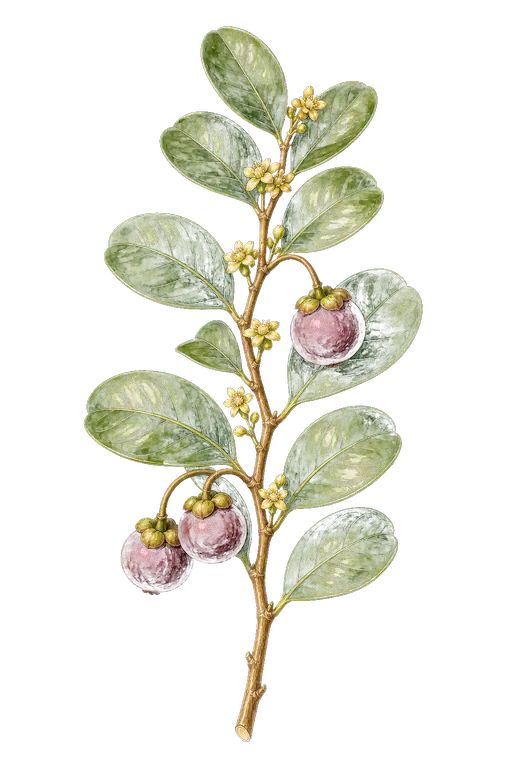
Clusiaceae
Mangosteen/Garcinia family
Nagesar belongs to the Clusiaceae family.
The illustration represents the family — not necessarily this exact species.
Explore the Clusiaceae familySnap it. Know it.
Point your camera at Nagesar or any plant and SASYA identifies it instantly — on-device, offline, and private.
Common plant problems
If you are starting from symptoms instead of a diagnosis, use the plant disease symptom checker to narrow the cause before treating.
All plant problem & care guidesMore in Clusiaceae
View all ClusiaceaeSources: GBIF — Mesua ferrea (India distribution & vernacular names) (CC BY 4.0) · Wikipedia — Mesua ferrea (background/comprehension only) (CC BY-SA 4.0)