
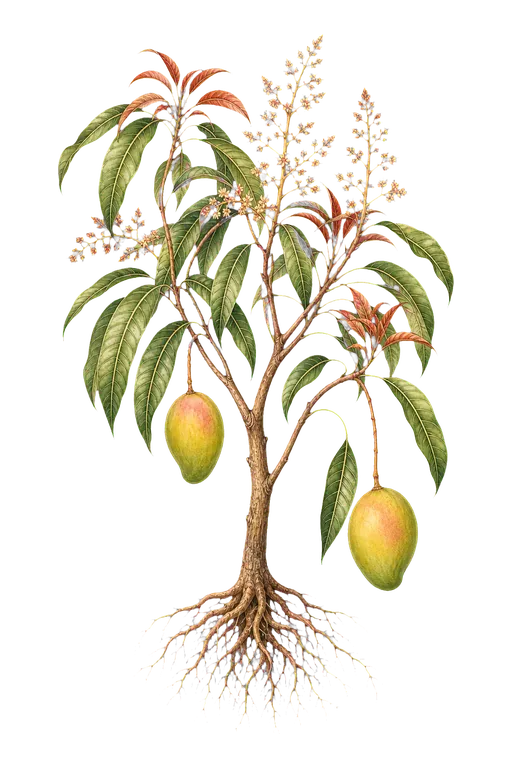
Aam / Mango Tree
Mangifera indica
Also known as Cuckoo's Joy
- Habit
- Tree
- Found in India
- Maharashtra, Andhra Pradesh, Tamil Nadu & more
- Flowering
- January-July
How to identify Aam
Identify Aam by combining habit, leaf characters, flower or fruit details, location, and its family pattern. Do not rely on one feature alone.
- Look for a tree habit.
- Check the distinctive field mark: Iconic cultivated mango fruit.
- Confirm leaf type: Simple.
- Confirm leaf shape: Simple, long lance-shaped.
- Confirm flower arrangement: Panicle.
- Confirm fruit type: Drupe.
- Use the leaf pattern: alternate leaf arrangement, simple leaves, entire leaf margins, pinnate venation.
Plant Details
- Scientific name
- Mangifera indica
- Genus
- Mangifera
- Family
- Anacardiaceae
- Habit
- Tree
- Habitat
- Cultivated
- Habitat type
- Cultivated
- Native to
- Indo-Malaysia
- Distribution
- India, Myanmar, Thailand, China, Malaysia
- Found in India
- Maharashtra, Andhra Pradesh, Tamil Nadu, Telangana, Kerala, Karnataka, Rajasthan, West Bengal, Odisha, Gujarat, Uttarakhand, Goa, Madhya Pradesh, Uttar Pradesh, Assam, Chhattisgarh, Delhi, Mizoram, Bihar, Himachal Pradesh, Sikkim, Manipur, Andaman & Nicobar Islands, Puducherry, Punjab, Chandigarh, Haryana, Tripura, Arunachal Pradesh, Jammu & Kashmir
- Flowering & fruiting
- January-July
- Conservation status
- Data Deficient (DD)
Leaf characters
- Leaf type
- SimplerecordedA single, undivided leaf blade.“The leaves are simple, shiny and dark green.” — Wikipedia, CC BY-SA 4.0
- Leaf shape
- Simple, long lance-shapedrecorded
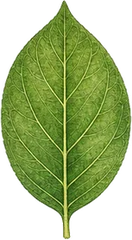
Typical of the family
- Arrangement
- Alternate


Characters marked “recorded” are for Aam itself; the rest are typical of the Anacardiaceae family.
Flower & fruit characters
- Flower arrangement
- PaniclerecordedA branching cluster of clusters.“The duration of flowering is 20–25 days for the Dasheri variety, while panicle emergence occurs in early December and flower opening is completed by February.” — Wikipedia, CC BY-SA 4.0
- Fruit type
- DruperecordedA fleshy fruit with a single hard stone/pit enclosing the seed.“The mango is an irregular, egg-shaped fruit which is a fleshy drupe.” — Wikipedia, CC BY-SA 4.0
Typical of the family
- Flower symmetry
- Actinomorphic (radially symmetrical)
- Inflorescence
- Panicle
- Fruit
- Drupe
Characters marked “recorded” are for Aam itself; the rest are typical of the Anacardiaceae family — flowering plants only.
Local Names
- Hindi
- आम Aam, भारतीय आम
- Nepali
- आँप Aap
- Bengali
- ম্যাঙ্গিফেরা ইন্ডিকা, ভারতীয় আম, আম গাছ, আম
- Tamil
- மா Ma, இந்திய மா
- Telugu
- భారతీయ మామిడి
- Kannada
- ಮಾ Maa, ಮಾವು Maavu, ಮಾವಿನ ಮರ Maavina mara
- Malayalam
- Mangga, മാവ്
- Marathi
- Amba आंबा, आंबा
- Sanskrit
- आम्रफल
- Gujarati
- કેરી, આંબો
- Odia
- ଆମ୍ବ
Aam in India
The mango is India's most beloved fruit tree — Am आम (Hindi), மா Ma (Tamil), భారతీయ మామిడి (Telugu), ಮಾ Maa (Kannada), Mangga (Malayalam), Amba आंबा (Marathi) — and the country is its historic heartland. Mangifera indica is overwhelmingly the most recorded plant in our India data, especially across Maharashtra, Andhra Pradesh, Tamil Nadu, Telangana, Kerala, Karnataka, from grafted orchards to old village trees grown from seed.
Uses
Beyond the ripe fruit, almost every part is used: raw green mangoes become aamchur, pickles and aam panna; the tender leaves are strung into toran for doorways at festivals and weddings; and the wood and bark have attributed uses in folk medicine. The flowering and fruiting season is a fixture of the Indian summer.
How to Identify Aam
A large, dome-crowned evergreen with long, leathery lance-shaped leaves that flush coppery-red when young. Pinkish flower panicles in winter and spring give way to the familiar fruit. Crushed leaves and cut shoots smell faintly of turpentine — a clue to its family (Anacardiaceae, shared with cashew).
Frequently Asked Questions
- What is Mango Tree called in different Indian languages?
- Am आम (Hindi); மா Ma (Tamil); భారతీయ మామిడి (Telugu); ಮಾ Maa (Kannada); Mangga (Malayalam); Amba आंबा (Marathi); ম্যাঙ্গিফেরা ইন্ডিকা (Bengali); કેરી (Gujarati); ଆମ୍ବ (Odia); आम्रफल (Sanskrit).
- When do mango trees flower and fruit in India?
- Mango typically flowers from about January, with fruit through the summer months — our records list a January–July flowering-and-fruiting window, varying by region and variety.
- Can you grow a mango tree from seed?
- Yes — seedling mangoes grow readily across most of India, though named varieties (Alphonso, Kesar, Dasheri) are grafted to stay true to type and fruit sooner.
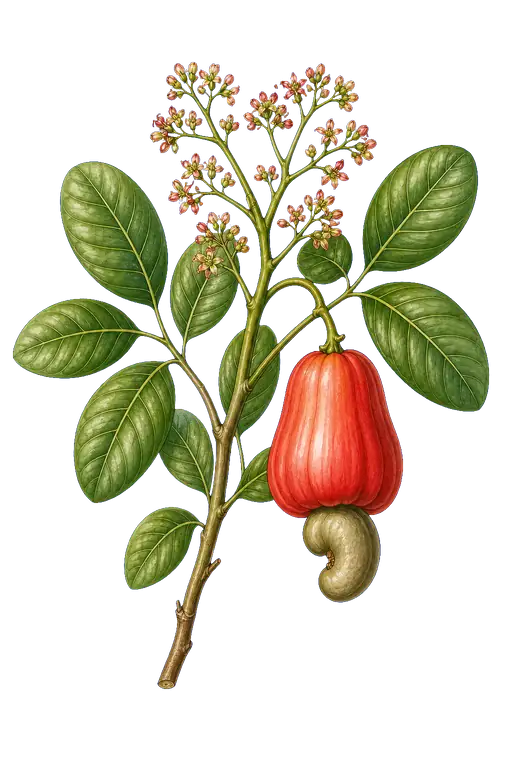
Anacardiaceae
Cashew family
Aam belongs to the Anacardiaceae family.
The illustration represents the family — not necessarily this exact species.
Explore the Anacardiaceae familySnap it. Know it.
Point your camera at Aam or any plant and SASYA identifies it instantly — on-device, offline, and private.
Common plant problems
If you are starting from symptoms instead of a diagnosis, use the plant disease symptom checker to narrow the cause before treating.
All plant problem & care guidesMore in Anacardiaceae
View all AnacardiaceaeSources: GBIF — Mangifera indica (India distribution & vernacular names) (CC BY 4.0) · iNaturalist — Mangifera indica (regional names, India observations) (CC BY 4.0) · Wikipedia — Mangifera indica (background/comprehension only) (CC BY-SA 4.0)